阿瑞匹坦

Search documents
与化疗路上的恶心呕吐说再见
Xin Lang Cai Jing· 2026-01-11 17:16
Core Viewpoint - The article emphasizes the importance of modern antiemetic strategies in managing chemotherapy-induced nausea and vomiting, highlighting the effectiveness of a preventive approach and combination therapy [1][2][3] Group 1: Mechanism of Nausea and Vomiting - Chemotherapy-induced vomiting is primarily triggered by the activation of the brain's vomiting control system, which can occur through damage to the gastrointestinal mucosa or direct stimulation of the brain's chemoreceptor trigger zone by drugs and their metabolites [1] - The severity of nausea and vomiting is categorized into high, medium, and low risk based on the chemotherapy drugs used, which informs the development of prevention strategies [1] Group 2: Antiemetic Strategies - Modern antiemetic strategies utilize a "prevention first, combination therapy" approach, employing agents like ondansetron, dexamethasone, and NK-1 receptor antagonists to manage both acute and delayed vomiting [1][2] - NK-1 antagonists, such as aprepitant, can effectively block the binding of substance P to the NK-1 receptor, significantly improving the complete control rate of delayed vomiting to over 70% for highly emetogenic chemotherapy [2] Group 3: Clinical Recommendations - The "golden triangle" regimen is commonly used for medium to high emetic risk chemotherapy, involving the pre-chemotherapy use of NK-1 antagonists, 5-HT receptor antagonists, and dexamethasone, followed by continued use post-chemotherapy to cover the high-risk period for delayed vomiting [2] - Additional supportive measures, such as a light diet, small frequent meals, and hydration, are recommended to alleviate gastrointestinal burden, alongside the importance of patient communication and adherence to medical advice [2][3]
超60亿大单品丁苯酞:石药领航,复星折戟,改良仿制困局谁能破?
Ge Long Hui· 2025-09-22 11:41
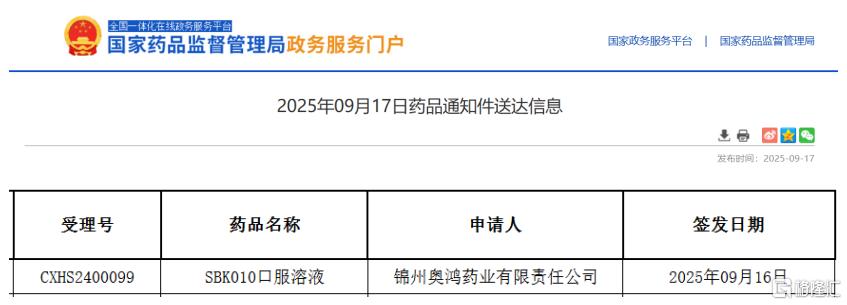
Core Insights - The article discusses the competitive landscape of the drug Diphenylhydantoin, primarily dominated by CSPC Pharmaceutical Group, and highlights the recent failed market entry attempt by a subsidiary of Fosun Pharma, Jinzhou Aohong Pharmaceutical, with their modified new drug SBK010 [1][11]. Market Overview - Diphenylhydantoin, marketed as Enbip, is a Class 1 new drug in China, providing new hope for patients with ischemic stroke. The soft capsule form was launched in 2004, and the injection form was approved in 2009, making it the third Class 1 new drug with independent intellectual property rights in China after artemisinin and bifendate [3]. - The market for Diphenylhydantoin is substantial, with projected total sales exceeding 6 billion yuan in 2024, and sales nearing 3 billion yuan by mid-2025, accounting for nearly 30% of CSPC's revenue [3][5]. Competitive Challenges - Despite the attractive market prospects, many companies have attempted to enter the Diphenylhydantoin market through generic or modified versions but have ultimately failed [5]. - The primary obstacles for generic versions include the lack of inclusion in the reference preparation directory, which has delayed the approval process for many companies that have completed bioequivalence (BE) trials [8][14]. Clinical Trial Insights - The failure of Fosun's SBK010 is attributed to the absence of Phase III clinical trials, which CSPC has rigorously conducted, establishing a robust clinical trial system that ensures the safety and efficacy of Diphenylhydantoin [11][14]. - Currently, only Hebei Saipuruisi Pharmaceutical Technology Co., Ltd. is advancing a Phase III clinical trial for a modified version of Diphenylhydantoin, which could potentially break the current deadlock in the market [14]. Patent Landscape - Although the compound patent for Diphenylhydantoin has expired, CSPC has successfully extended the composition and preparation method patents until 2032, complicating the entry of other companies into the market [14][15]. - The combination of unresolved reference preparation status, unclear clinical pathways, and stringent patent restrictions creates significant barriers for competitors seeking to develop their own versions of Diphenylhydantoin [14]. Innovation and Future Outlook - CSPC continues to innovate, having launched several new drugs in 2024, including Enlansumab and Omab, while also achieving breakthrough therapy designations for multiple projects, reinforcing its leadership in the pharmaceutical market [15].