
雪地露营

Search documents
打破“夏季独热”格局!凭借“创新服务+装备升级”冬夏皆宜旅游胜地成顶流
Yang Shi Wang· 2026-01-15 09:18
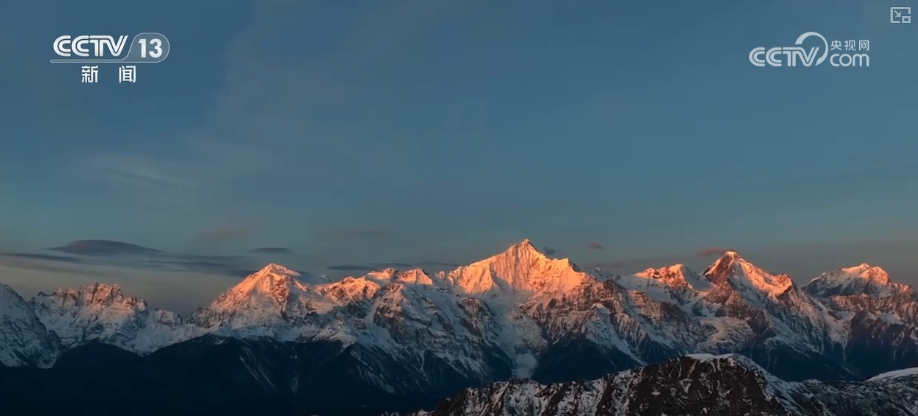
Core Insights - Yunnan's Diqing Tibetan Autonomous Prefecture is integrating diverse cultural and tourism elements such as "ice and snow + experience" and "intangible heritage + cuisine" to create a year-round tourist destination, breaking the previous "summer peak" pattern [1] Group 1: Tourism Development - The "Sunrise on Meili Snow Mountain" is a popular winter attraction, drawing many visitors eager to witness the stunning scenery at dawn [4] - The local economy around Meili Snow Mountain has shifted from a single focus on ice and snow tourism to a more diversified experience, including modern cinemas and intangible heritage experience centers, enhancing visitor satisfaction and boosting local accommodations [6] - The Meili Snow Mountain scenic area reported an income of 13 million yuan in 2023, with expectations to reach 30 million yuan by the end of 2025 [9] Group 2: Visitor Statistics - Diqing's tourism department projects that by 2025, the region will host over 36 million domestic and international tourists, marking a year-on-year increase of 16.43%. In December alone, over 40,000 international visitors were recorded, reflecting a 116.35% increase compared to the previous year, indicating a booming winter tourism market [13] Group 3: Winter Camping Trends - In Heilongjiang, winter tourism is also gaining traction, with over 500 tents set up in Qiqihar's Hala Grassland, attracting camping enthusiasts from across the country [14] - Snow camping offers a unique experience, allowing participants to enjoy outdoor activities while taking in the beautiful winter scenery, with amenities like warm stoves enhancing comfort [17] - The evolution of winter camping equipment has improved heating efficiency and provided self-generating power options, addressing the challenges of staying warm and charging electronic devices, thus enhancing the overall camping experience [19][20]

今年产业规模将突破万亿元,冰雪经济迈入黄金发展期
Jing Ji Ri Bao· 2025-11-24 00:27
Core Insights - The report indicates that China's ice and snow industry is projected to exceed 1 trillion yuan, reaching 1005.3 billion yuan in 2023, marking it as a significant emerging force in the economy [1] - The industry aims to transition from rapid growth to high-quality development, focusing on meeting diverse consumer needs and enhancing product offerings [1] Industry Development - The goal of engaging 300 million people in ice and snow sports has been achieved, providing a strong internal driving force for industry growth [1] - The consumer base has expanded from professional enthusiasts and youth training groups to include families and seniors, prompting market innovation in products and services [1] - New offerings include dedicated children's skiing areas, night skiing, electronic music parties, and snow camping to cater to various demographics [1] Supply Chain and Infrastructure - Experts emphasize the need for improvements in the quality and quantity of ice and snow venue facilities and product supply systems [1] - Recommendations include upgrading venue facilities with smart technology, establishing regulatory frameworks for a well-ordered market, and innovating product matrices using digital technology [1] Industry Chain Structure - Since the 14th Five-Year Plan, the ice and snow industry has developed a comprehensive value chain encompassing upstream equipment manufacturing, midstream event operations and training, and downstream tourism and leisure [1] Technological Advancements - New technologies such as 5G, AI, and VR are driving high-quality development in ice and snow equipment, enhancing user experiences [2] - Smart snowfield management systems improve operational safety and efficiency through real-time monitoring and intelligent scheduling [2] - The application of new materials and processes in equipment manufacturing optimizes the performance of products like skis and ice skates [2] Emerging Trends - The industry is evolving from traditional ice and snow sports to a "snow+" multi-dimensional experience, integrating tourism, culture, and wellness [2] - The "snow+tourism" model is maturing with improved facilities in ski resorts, while "snow+culture" initiatives are enriching the industry with ice sculptures, performances, and themed museums [2] - The "snow+wellness" concept combines ice sports with health tourism, creating winter wellness products [2] Regional Development - Traditional regions like Northeast and North China leverage natural snow resources and rich ice and snow culture to develop world-class ski destinations [3] - Southern regions are expanding the ice and snow market through indoor ski facilities [3] - Addressing regional development imbalances is crucial, with recommendations for coordinated policies and leveraging local competitive advantages [3]
今年产业规模将突破万亿元—— 冰雪经济迈入黄金发展期
Jing Ji Ri Bao· 2025-11-23 23:12
Core Insights - The report indicates that China's ice and snow industry is projected to exceed 1 trillion yuan, reaching 1005.3 billion yuan in 2023, marking it as a significant emerging force in the economy [1] - The industry has successfully engaged 300 million people in ice and snow sports, providing a continuous internal driving force for development [1] - The focus is shifting from rapid growth to high-quality development, necessitating discussions on how to achieve this transition [1] Industry Development - The ice and snow industry has established a comprehensive value chain covering upstream equipment manufacturing, midstream event operation and skills training, and downstream tourism and leisure [1] - New technologies such as 5G, AI, and VR are driving high-quality development in ice and snow equipment, enhancing user experience and operational efficiency [2] - The market is innovating to meet diverse consumer needs, with offerings like children's ski areas, night skiing, and snow-themed events [1][2] Market Trends - The industry is evolving towards a "snow + " multi-dimensional experience, integrating tourism, culture, and wellness into ice and snow activities [2] - The "snow + tourism" model is maturing, with improved facilities in ski resorts, while "snow + culture" is gaining traction through ice sculptures and themed museums [2] - The "snow + wellness" trend combines ice and snow sports with health tourism, creating winter wellness products [2] Regional Development - Traditional regions like Northeast and North China leverage natural snow resources and cultural heritage to develop world-class ski destinations [3] - Southern regions are expanding the ice and snow market through indoor ski facilities [3] - Addressing regional development imbalances is crucial, with recommendations for coordinated policy efforts and leveraging local competitive advantages [3]