雷鸟智能眼镜先锋版

Search documents
国家队10亿投资雷鸟,改写中美科技叙事
Sou Hu Cai Jing· 2026-01-06 15:30
Core Insights - RayNeo has completed a new financing round exceeding 1 billion yuan, with notable investments from major Chinese telecom operators China Mobile and China Unicom, marking the first strategic investment by mainstream operators in the smart glasses sector [1][3]. Group 1: Industry Trends - The involvement of telecom operators in smart glasses signifies a consensus that smart glasses will become the next generation of consumer computing centers [3]. - The launch of RayNeo's X3 Pro at CES 2026, featuring eSIM technology, indicates that smart glasses may soon operate independently of smartphones, filling a critical gap in the market [3][18]. - The competition in the smart glasses market is intensifying, with major players like Meta and Alibaba releasing their own products, yet RayNeo has managed to secure a leading position [19]. Group 2: Company Achievements - RayNeo, established in 2021, has made significant strides in AR technology, launching the world's first AR smart glasses with dual full-color MicroLED and holographic waveguide optical display [4]. - The company has invested heavily in optical display research, reportedly spending hundreds of millions annually, and has successfully developed the second generation of MicroLED waveguide glasses, the RayNeo X2 [10]. - By Q3 2025, RayNeo achieved a 24% market share in the global AR smart glasses market, marking it as the top player for two consecutive quarters [19]. Group 3: Technological Innovations - RayNeo's X3 Pro is recognized for its advanced display and AI interaction capabilities, featuring the world's smallest mass-producible full-color Micro-LED engine and the first mass-production level optical waveguide [14]. - The company has established a comprehensive AI+AR ecosystem, including an operating system and a low-code development platform, enhancing its product offerings [18]. - The production capacity for RayNeo's optical engines is set to increase significantly, with expectations of reaching an annual output of 360,000 units [11]. Group 4: Market Dynamics - The entry of telecom operators into the smart glasses market is expected to catalyze growth in both market size and developer engagement, indicating a potential explosion in the sector by 2026 [20]. - The narrative of the smart glasses era may reverse the story of the smartphone era, with Chinese companies like RayNeo leading the charge against North American giants [20].

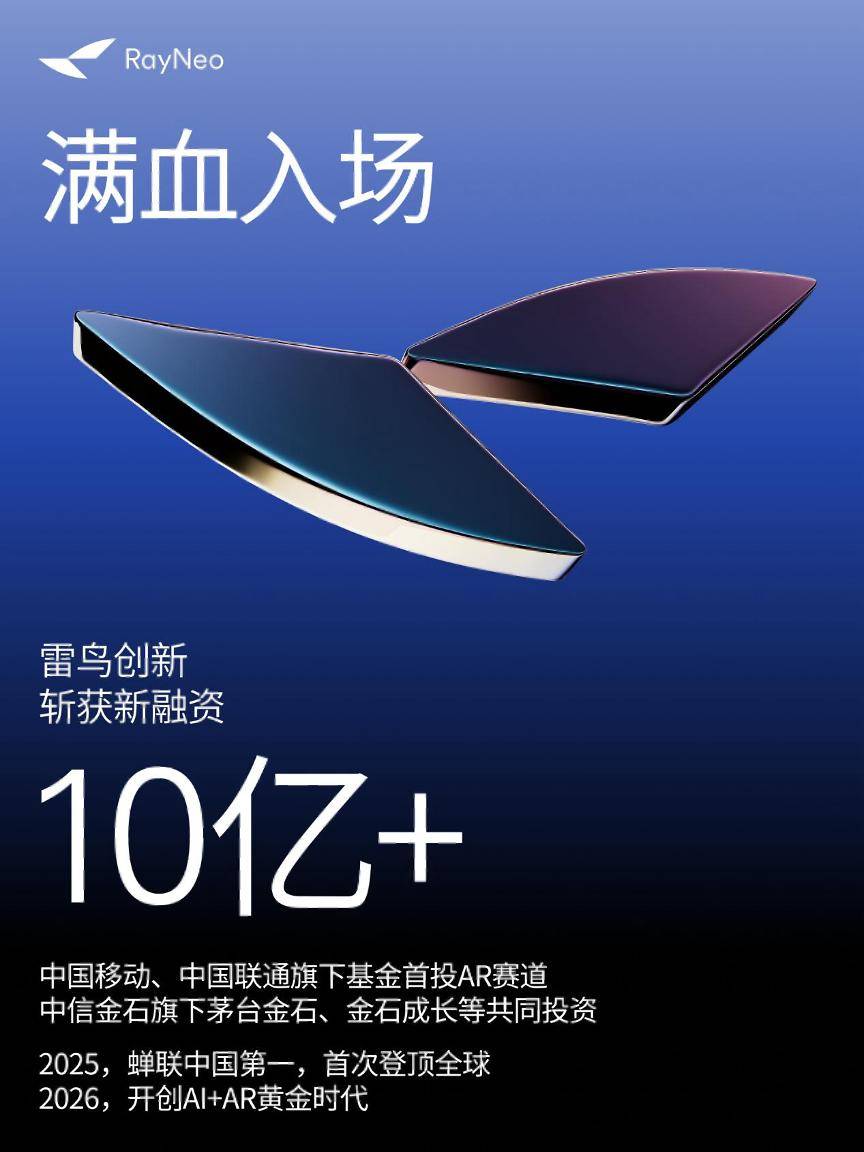
首发|移动、茅台出手,这家深圳公司一轮融了超10亿
投中网· 2026-01-05 00:00
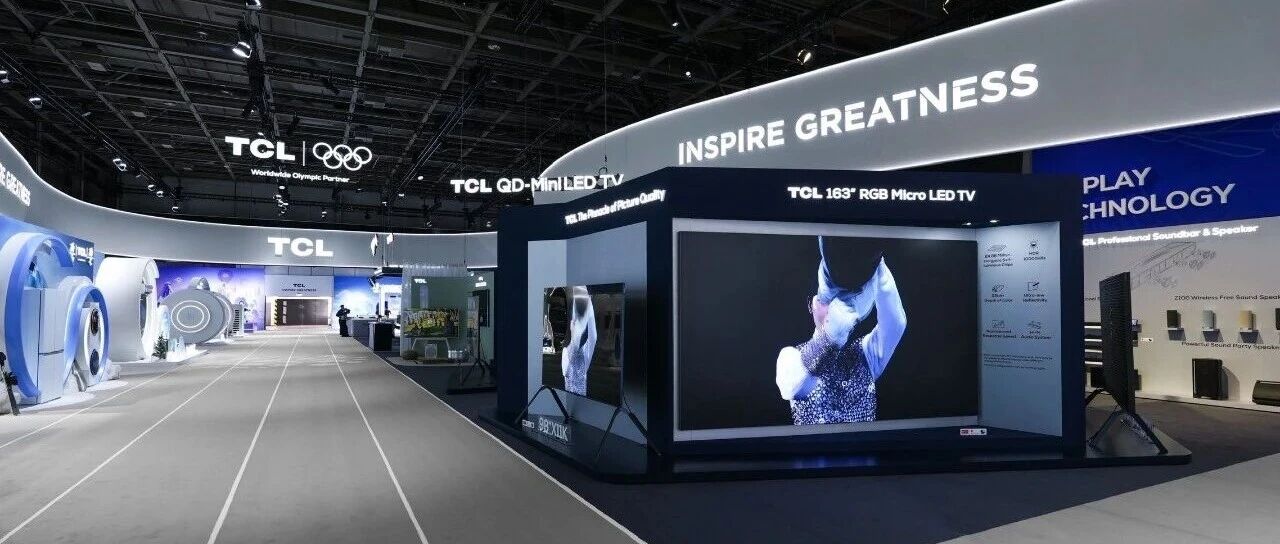
Core Viewpoint - The article highlights the rapid growth and significant investment in RayNeo, a Shenzhen-based AR company, which is positioning itself as a leader in the AR market with innovative products and substantial backing from major investors [4][9]. Group 1: Company Overview - RayNeo was founded in 2021 by Li Hongwei, who recognized the potential of AR glasses as the next universal computing platform [5]. - The company has developed a complete product lineup, including the RayNeo X series and RayNeo Air series, focusing on both advanced technology and current market needs [7]. - By 2025, RayNeo sold hundreds of thousands of AR glasses, achieving significant market traction and user adoption [7][8]. Group 2: Investment and Financing - RayNeo completed its C round of financing, raising over 1 billion yuan, with investments from major players like China Mobile and China Unicom, marking a significant milestone for AR technology in China's communication infrastructure [4][11]. - The company has raised several rounds of funding, accumulating tens of billions in total, which has been crucial for its growth and technological advancements [9][10]. - The strategic partnerships with industry giants such as Qualcomm and Google have helped RayNeo build a comprehensive AI+AR ecosystem [10]. Group 3: Market Position and Future Outlook - RayNeo achieved a 24% market share in the global AR smart glasses market in Q3 2025, indicating its leading position [8]. - The AR industry is expected to reach a pivotal moment akin to the iPhone era between 2027 and 2028, with RayNeo aiming to leverage its technological advancements to gain a competitive edge [8]. - The company is focused on continuous innovation and product development, with plans to showcase its first eSIM AR glasses at CES 2026 [4][11].

智能科技领跑者的中场战事:中高端战略夯实“基本盘”,“创新”打开增长天花板
华尔街见闻· 2025-09-15 10:42
Core Viewpoint - TCL Electronics has demonstrated strong performance in the context of a slowing global black electronics market, achieving quality growth in its core business and significant innovation breakthroughs, leading to a 20.4% year-on-year revenue increase to HKD 54.78 billion in the first half of 2025 [1][2]. Financial Performance - In the first half of 2025, TCL Electronics reported a post-tax profit of HKD 1.05 billion, a 60.5% increase year-on-year, and an adjusted net profit attributable to shareholders of HKD 1.06 billion, up 62.0% year-on-year [1]. - The company's television business revenue grew by 9.4% to HKD 28.35 billion, with a gross margin increase of 0.5 percentage points to 15.9% [5]. Strategic Focus - TCL Electronics is committed to a "high-quality development" strategy, aiming for long-term goals where net profit growth outpaces revenue and sales growth [2]. - The company is focusing on a "mid-to-high-end + globalization" strategy to navigate the current market uncertainties and enhance its competitive position [2]. Market Trends - The TV market is experiencing structural growth trends towards larger and higher-end products, with a significant increase in demand for Mini LED technology [3][4]. - The domestic TV market has surpassed a 50% penetration rate for large screens, while the overseas market is gradually catching up, presenting opportunities for TCL [3]. Innovation and Technology - TCL Electronics is exploring Micro LED technology and AI to enhance operational efficiency and expand into new markets such as smart glasses and companion robots [2][9]. - The company launched the 163-inch Micro LED television X11H Max, featuring advanced specifications that enhance picture quality [7]. Competitive Position - TCL Electronics has solidified its position as the second-largest global TV manufacturer, with a 7.6% year-on-year increase in global TV shipments to 13.46 million units in the first half of 2025 [5]. - The company leads the global market in Mini LED TV shipments, showcasing its technological advancements and market responsiveness [5]. Future Outlook - The market for companion robots is projected to reach USD 117.3 billion by 2033, with a CAGR of approximately 18%, indicating significant growth potential for TCL's innovations in this area [13]. - TCL's strategic focus on AI and AR/XR technologies is expected to open new growth avenues, enhancing its brand presence globally [14].