青铜爵

Search documents
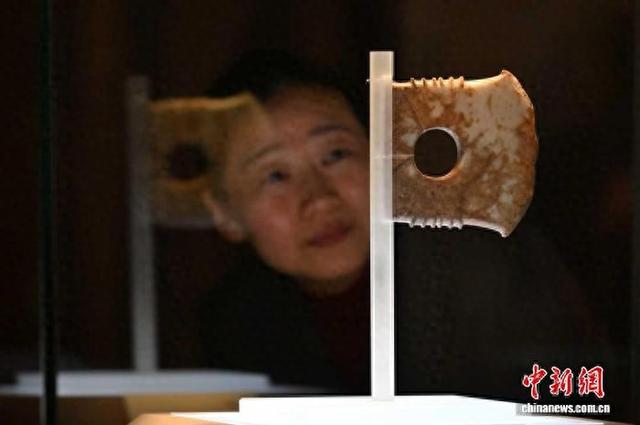
中国首次全景式展示华夏第一王朝文化脉络
Xin Lang Cai Jing· 2026-02-08 10:18
Core Viewpoint - The "China in the Xia Period" exhibition opened at the Shanxi Bronze Museum, showcasing over 250 cultural relics from 31 cultural heritage institutions across China, marking the first comprehensive display of Xia culture [1][3]. Group 1: Exhibition Overview - The exhibition is divided into three sections: "Civilization Formation," "Rise of the Dynasty," and "Hua Xia Coexistence," each highlighting different aspects of Xia culture and its historical context [3]. - The "Civilization Formation" section presents the diverse cultural landscape before the establishment of the Xia Dynasty, focusing on key archaeological sites such as Taosi and Shijia [3]. - The "Rise of the Dynasty" section reveals the establishment and development of the Xia Dynasty through significant relics from the Erlitou site [3]. - The "Hua Xia Coexistence" section explains the influence of Xia culture on surrounding regions, outlining early Chinese civilizational consensus [3]. Group 2: Archaeological Discoveries - The exhibition features several new archaeological findings and cutting-edge research results, including artifacts from the Zhongcun burial site, which was excavated recently [3]. - Notable artifacts include turquoise, scallops, and pottery vessels, indicating cultural exchanges with the Erlitou site and the high status of the burial site's owner [3]. - The exhibition also highlights the earliest bronze ritual vessels discovered at the Erlitou site, marking the beginning of China's Bronze Age [3]. Group 3: Exhibition Duration - The exhibition is set to run until May 10, providing a concentrated and systematic display of archaeological achievements related to Xia culture [3].

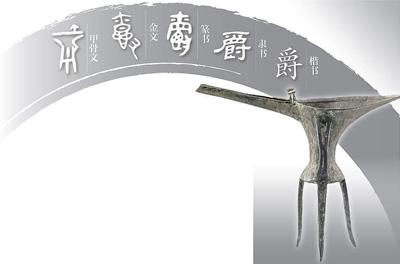
爵位?酒器?关于“爵”的这些知识,你了解吗
Xin Lang Cai Jing· 2025-12-20 05:45
Group 1 - The character "爵" originally referred to an ancient drinking vessel, symbolizing status and identity in early Chinese civilization [3][4] - The archaeological site at Erlitou has revealed over ten bronze jugs, showcasing advanced bronze casting techniques of the time, with the most notable being a 26.5 cm tall jug with intricate designs [3] - The transition from using bronze for tools and weapons to creating ceremonial vessels like the bronze jug marks a significant advancement in early metal casting technology [3] Group 2 - The formation and development of the ritual system in ancient China is reflected in the use of bronze jugs, which played a crucial role in establishing early ceremonial practices [4] - The ancient system of ranks and titles was linked to the use of jugs, laying the groundwork for more comprehensive ritual systems in later periods [4]
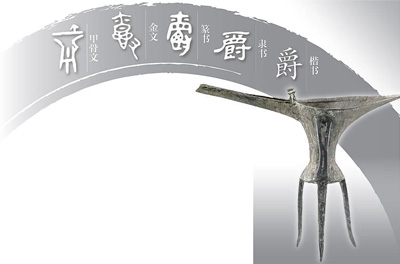
爵:从盛酒于皿到藏礼于器(文物有话说·文物里的汉字)
Ren Min Ri Bao· 2025-12-19 22:10
Group 1 - The character "爵" originally referred to an ancient drinking vessel, symbolizing status and identity in early Chinese civilization [2] - The Erlitou site in Henan has yielded over 10 bronze jugs, showcasing advanced bronze casting techniques of the time, with the most notable being a 26.5 cm tall and 31.5 cm long bronze jug with a unique design [2] - The complex composite mold technology used during the Erlitou period represents a significant advancement in early metal casting, differing from the simpler tools and weapons of the Longshan period [2] Group 2 - The formation and development of ritual systems in ancient China are reflected in the use of bronze jugs, which played a crucial role in early ceremonial practices [3] - The ancient system of ranks and titles was based on the use of jugs, establishing a foundation for the development of more comprehensive ritual systems in later periods [3]
了不起的河洛文化·河洛文化大家谈丨匠心天工 器以载道 重现河洛的造物之光之一 铸礼成器:青铜范铸中的河洛文明
He Nan Ri Bao· 2025-12-09 23:49
Core Viewpoint - The bronze artifacts unearthed in Luoyang serve as a crucial key to understanding the development of early Chinese civilization, showcasing the technological and artistic achievements of the ancient people, and providing insights into the cultural heritage of the Yellow River basin [5][11]. Group 1: Significance of Luoyang Bronze Artifacts - Luoyang's bronze artifacts are considered a "civilization core hub" and a "source of ritual paradigm" within the Chinese bronze civilization system, reflecting the continuity of early dynastic bronze culture [6]. - The artifacts span the entire development of bronze civilization from its inception in the Xia Dynasty to its transformation in the Eastern Zhou Dynasty, making Luoyang a unique region for studying early Chinese bronze culture [6]. - The bronze vessels from the Erlitou site represent the early forms of ritual implements, marking the beginning of the concept of "rituals embedded in vessels" [7]. Group 2: Technological and Artistic Integration - The casting techniques in the Luoyang region reached their peak during the Xia, Shang, and Zhou dynasties, characterized by a complete craft system and precise control over the casting process [9]. - The mother drum bronze vessel from the Luoyang Museum exemplifies the fusion of casting technology and artistry, showcasing intricate designs and advanced casting methods [10]. - The meticulous craftsmanship in the bronze artifacts, including the fine details of patterns and inscriptions, highlights the high level of precision achieved by ancient artisans [10]. Group 3: Cultural Exchange and Influence - Luoyang's bronze artifacts not only reflect the core characteristics of Central Plains bronze culture but also serve as a "transfer station" for cross-regional cultural exchanges, influencing surrounding cultures [6]. - The research on bronze artifacts is vital for understanding the origins of Chinese civilization and the creative transformation of traditional culture [11]. - Modern technologies such as digital restoration and immersive exhibitions allow these ancient artifacts to engage with contemporary audiences, enhancing cultural identity and historical connection [11][12].