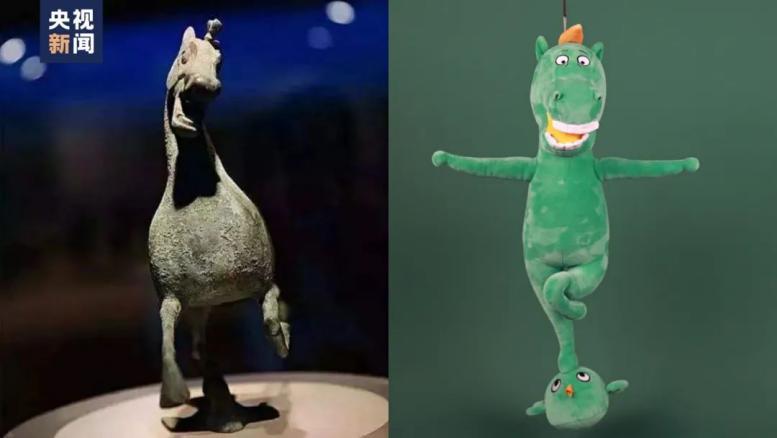
青铜马

Search documents
图知道|踏响蹄声!文物骏马驮福而来
Xin Lang Cai Jing· 2026-02-19 06:36
Group 1 - The article highlights the significance of ancient artifacts, particularly bronze horses, in showcasing the cultural heritage and craftsmanship of ancient China [4][14]. - The bronze horse chariot, known as the "crown of bronze," is noted for being the largest and most complex ancient vehicle discovered in Chinese archaeology, emphasizing its historical importance [4]. - The article mentions the return of the bronze horse head statue to the Old Summer Palace, marking a significant event in the repatriation of cultural relics [13]. Group 2 - The article describes various ancient horse artifacts, including a Tang Dynasty horse figurine known for its vivid colors and realistic design, which exemplifies the artistic achievements of that era [5]. - It discusses the craftsmanship involved in creating a gold artifact known as "horse hoof gold," which was made during the Han Dynasty and used as a reward for loyal subjects [7]. - The article also touches on the cultural exchange between the nomadic Khitan people and the Central Plains during the Tang Dynasty, as reflected in the design of certain artifacts [9].

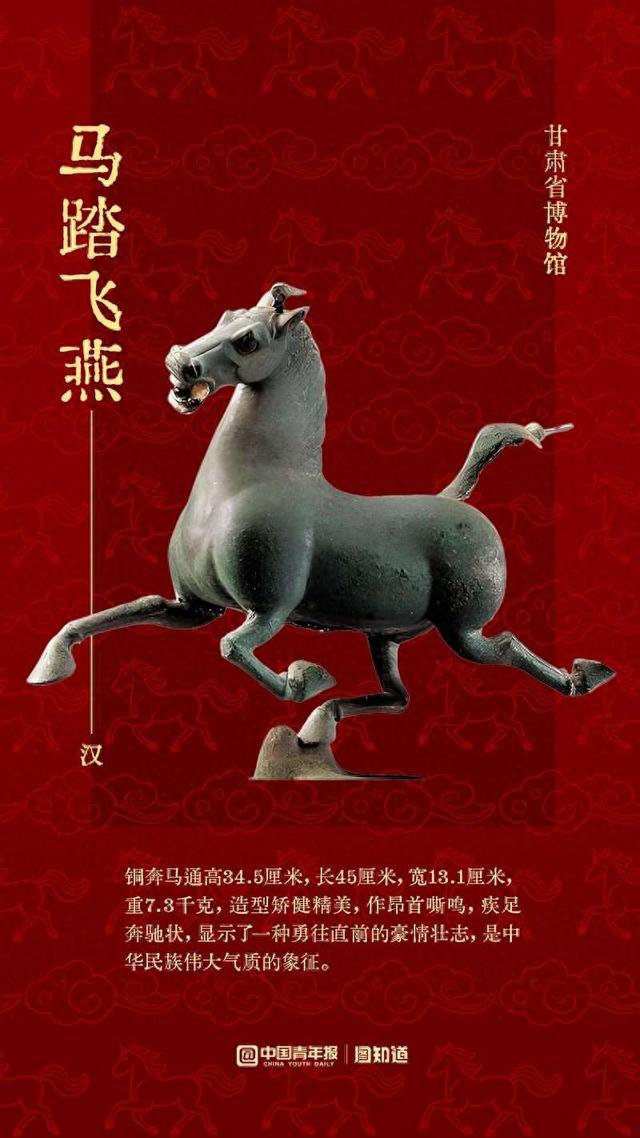
骐骥驰骋 骉腾万里
Xin Lang Cai Jing· 2026-02-16 07:46
Group 1 - The article highlights the ongoing exhibition "Jijin Wanli - Special Exhibition of Bronze Civilization in Southwest China" at the Guangxi Zhuang Autonomous Region Museum, featuring a bronze horse from the Han Dynasty [1] - The bronze horse from the Han tomb in Hepu, Guangxi, is noted for its impressive stature and design, attracting significant attention [1][2] - The exhibition also includes other artifacts such as a bronze horse from the Guigang Fengliuling Han tomb and a ceramic knight figurine from the Southern Dynasties, reflecting the cultural significance of horses in ancient burial practices [2][3] Group 2 - The article discusses the historical context of horse culture in Guangxi, emphasizing the integration of Central Plains horse culture with local customs [4] - The De Bao dwarf horse, a descendant of the Han Dynasty's Guo Xia horse, is highlighted as a unique local breed, known for its small size and historical significance [6][8] - The De Bao dwarf horse played a crucial role in historical events, including military campaigns, showcasing its importance in local heritage [7] Group 3 - The article describes the cultural significance of horses in the Miao ethnic community, particularly during the annual celebrations in Rongshui, where horse-related activities are central to the festivities [9][11] - The Miao horse fighting tradition, which has been practiced for over 500 years, is recognized as an intangible cultural heritage of Guangxi, illustrating the deep-rooted connection between horses and local customs [11]
汉代神兽︱“天马”为何在汉代封神
Xin Lang Cai Jing· 2025-12-03 00:39
Group 1 - The article discusses the historical significance of horses in human culture, emphasizing their loyalty, diligence, and spiritual qualities as companions throughout history [1] - The domestication of horses dates back approximately 5,500 years, with evidence found in Kazakhstan and China, indicating the spread of horse breeding techniques [1][2] - The early horses in China were smaller and shorter compared to later breeds, as evidenced by artifacts from the Zhou Dynasty [2][4] Group 2 - The introduction of the "Heavenly Horse" from the Western Regions during the Han Dynasty significantly improved the local horse breeds, enhancing the military capabilities of the Han army [4][5] - The "Heavenly Horse" was not only a military asset but also held spiritual significance, reflecting the cultural beliefs of the Han Dynasty [6][7] - Artistic representations of horses during the Han Dynasty showcased their importance in various aspects of life, including warfare, hunting, and daily activities [9][10][12] Group 3 - Horses served multiple functions in daily life, including transportation and as hunting mounts, reflecting their integral role in agricultural society [12][18] - The Han Dynasty's emphasis on horses was linked to political power and ceremonial significance, showcasing the grandeur of the empire [12][39] - The mythical representations of horses, such as the "Heavenly Horse," illustrate the blending of cultural beliefs and artistic expression in ancient China [22][36]


文博日历丨它们,“马友力”MAX
Yang Shi Xin Wen· 2025-07-29 04:08
Group 1 - The article discusses the discovery of three bronze horses from Handan, which are considered the earliest examples of realistic style in Chinese art, predating the famous "Galloping Horse" by approximately 400 years [2] - These bronze horses challenge the traditional notion of "expressive over realistic" in Chinese art, showcasing a unique blend of artistic styles [4] - The horses are noted for their robust physical features, symbolizing strength and agility, which are essential traits for warhorses [7] Group 2 - The bronze horses have their tails tied up, a practice that was common in ancient battlefields to prevent accidents during high-speed maneuvers, indicating their practical design [16][20] - Experts suggest that these horses may be linked to the military reforms of Zhao Wuling Wang, who implemented the "Hu Fu Qi She" strategy, transitioning from traditional infantry to cavalry [20][21] - This reform not only changed the military tactics of the Zhao state but also fostered cultural exchange and integration, a legacy that continues to resonate in modern times [23]