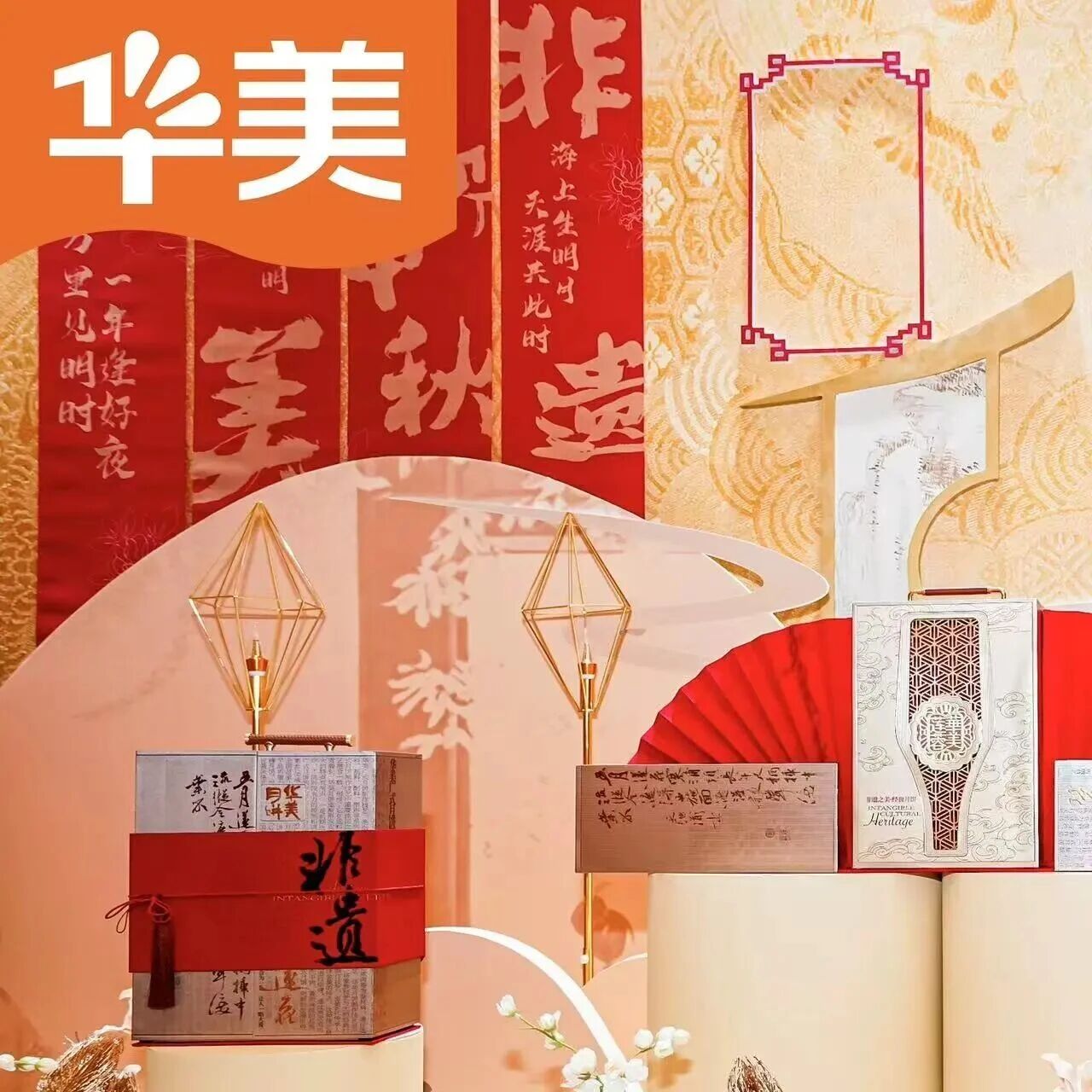
非遗之美系列产品

Search documents
传统行业的可参考转型:华美食品如何把文化变成第二增长曲线
3 6 Ke· 2025-12-29 02:55
Core Insights - The article discusses the growing importance of intangible cultural heritage (ICH) in the cultural market, highlighting its potential as a resource for economic vitality while also addressing the challenges faced by traditional brands, particularly "old brands" that struggle with profitability and relevance in a modern context [1][3] Group 1: Cultural Heritage and Economic Impact - ICH is increasingly recognized as a vital part of national culture, moving beyond static museum exhibits to become a dynamic economic resource [1] - Many traditional brands, despite their historical significance, face operational challenges and are at risk of being removed from "old brand" lists due to poor management [1] - The balance between cultural heritage preservation and economic viability is a pressing issue for many traditional brands [1] Group 2: Brand Strategy and Market Positioning - Huamei Foods has been awarded for its innovative approach, focusing on a "cultural + industry" integration model that emphasizes both heritage and innovation [1][3] - The company aims to build a brand foundation based on "certainty," focusing on quality and emotional connections with consumers rather than engaging in price wars [3][5] - The brand's strategy includes creating a reliable and trustworthy image through transparent operations and quality assurance [5][6] Group 3: Cultural Experience and Consumer Engagement - Huamei Foods has redefined itself as a "guardian of Mid-Autumn culture," creating a "cultural-experience-consumption" business loop that enhances consumer engagement [7][10] - The company has launched initiatives like the "Mooncake Dream Factory," which combines cultural education and product experience, significantly increasing customer engagement [8][10] - The success of these initiatives has sparked interest among competitors, leading to a trend of establishing cultural centers in the industry [10][13] Group 4: Innovation and Future Growth - Huamei Foods' innovative approach includes developing over 50 cultural-themed gift boxes that modernize traditional craftsmanship, resulting in increased sales during peak seasons [10][14] - The company collaborates with national intangible cultural heritage projects to create a cultural ecosystem, enhancing brand visibility and social responsibility [13][14] - The integration of cultural elements into all aspects of the business is seen as a key driver for future growth, emphasizing the need for a systematic approach to cultural heritage in product development and marketing [14]


传统行业的可参考转型:华美食品如何把文化变成第二增长曲线
36氪· 2025-12-29 00:00
Core Viewpoint - The article emphasizes the importance of integrating intangible cultural heritage (ICH) into business models, highlighting how companies can leverage cultural assets for sustainable growth while maintaining economic viability [1][2][3]. Group 1: Cultural Heritage and Economic Viability - Intangible cultural heritage is increasingly recognized as a vital resource that can stimulate economic vitality, moving beyond being mere static exhibits in museums [2]. - Many traditional brands, despite their historical significance, face challenges such as poor management and financial struggles, raising concerns about balancing cultural preservation with economic performance [3][4]. - The case of Huamei Foods illustrates a successful model of integrating "culture + industry" to achieve steady growth while preserving traditional cultural values [3][4]. Group 2: Brand Strategy and Consumer Behavior - In a rapidly changing consumer landscape, Huamei Foods focuses on building "certainty" as a brand foundation, emphasizing quality, reliability, and emotional connection with consumers [6][9]. - The company addresses challenges such as supply chain pressures, intensified competition, and evolving consumer habits by avoiding short-term trends and instead focusing on consistent brand values [7][10]. - Huamei Foods' commitment to quality is demonstrated through initiatives like "transparent factories" and a "recipe upgrade" plan, ensuring trust in product quality [9]. Group 3: Cultural Integration and Innovation - Huamei Foods redefines itself as a "guardian of Mid-Autumn culture," creating a "cultural-experience-consumption" business loop that enhances consumer engagement [11][13]. - The company has developed innovative projects like the "Mooncake Dream Factory," which combines cultural education and product experience, significantly increasing customer engagement [14]. - The "Non-Heritage Beauty" product line showcases over 50 culturally themed gift boxes, translating traditional techniques into modern designs, leading to increased sales during peak seasons [16]. Group 4: Strategic Collaborations and Community Engagement - Huamei Foods collaborates with national intangible cultural heritage projects and educational institutions, fostering a cultural ecosystem and reaching over ten thousand students annually [18]. - The company's innovative model not only enhances its capabilities but also integrates cultural and commercial aspects, creating a new atmosphere where culture drives business and vice versa [18][19]. - The exploration of the "Non-Heritage +" growth curve indicates the need for companies to systematically incorporate cultural elements into all aspects of production and marketing, creating new product forms and business models [19].