文化+产业融合

Search documents
雪域秘境战略合作矩阵隆重启航:“冈仁波齐×山海经”艺术庆典在京盛大举行
Feng Huang Wang Cai Jing· 2026-02-06 15:19
Group 1 - The event "Snowy Secret Realm: Mount Kailash x Classic of Mountains and Seas" marks a strategic upgrade of the cultural IP "Snowy Secret Realm," establishing alliances with 16 top institutions across culture, tourism, health, and technology sectors [1][2] - Beijing Snowy Secret Realm Cultural Development Co., Ltd. showcased a complete industrial ecosystem centered around the IP, signing agreements with various strategic partners to create a "Cultural+" cooperation matrix [2][3] - The event featured a thematic forum led by renowned Tibetan culture scholar Wen Pulin, emphasizing Mount Kailash as both a geographical and spiritual reference point for contemporary cultural innovation and exploration [2][3] Group 2 - The artistic and musical elements of the event included a themed concert by Cui Jian's band and exhibitions of sculptures and paintings, creating an immersive mythological aesthetic experience [3] - The strategic alliance will accelerate the establishment of the "Global Promotion Center for Mount Kailash," with clear functional collaborations among partners focusing on deep cultural tourism experiences and high-end derivative products [3] - The event gathered around 150 guests from various sectors, including representatives from the Ministry of Culture and Tourism, local government, and notable figures in the cultural and artistic community, showcasing the forward-looking practices in cultural IP operation and industrial ecosystem construction [3][4]
做好“文化+产业”的融合题
Xin Lang Cai Jing· 2026-01-18 17:25
Group 1 - The core viewpoint emphasizes the importance of integrating culture and industry, particularly in the context of the digital cultural and creative industry, which is a vital part of Chengdu's modern industrial system [1][2] - Chengdu is recognized as a historical cultural city with a rich cultural heritage and innovative vitality, making it a natural hub for the development of the digital cultural and creative industry [1][2] - The digital cultural and creative industry is becoming a key competitive arena among domestic cities, with initiatives from other cities like Shanghai and Hangzhou highlighting the urgency for Chengdu to enhance its strategies [1][2] Group 2 - In March 2025, Chengdu will hold a symposium on the high-quality development of the digital cultural and creative industry, followed by the introduction of a comprehensive "1+4" policy package, marking a significant step in systematic planning [2] - The city aims to cultivate the cultural and creative industry and accelerate the construction of a world-renowned cultural creative city, with a projected total scale of the digital cultural and creative industry expected to exceed 410 billion yuan [2] - The focus on new business formats and models, along with the integration of technology, finance, and talent, is essential for enhancing the professional capacity of cultural and creative industry parks and attracting quality projects [3]
“人气”带动“财气” 让乡土文化“破圈”传播
Xin Lang Cai Jing· 2025-12-30 20:11
Core Viewpoint - The village song competition in Hanbin District, Ankang City, is transforming the cultural ecology and rural governance structure, fostering community engagement and cultural identity among villagers [1][6]. Group 1: Cultural Innovation - The village song competition was initiated in July 2025, following the success of village songs created by university students, which resonated deeply with local villagers [3][4]. - The competition emphasizes grassroots participation, allowing villagers to take charge of the entire process from creation to performance, thus ensuring cultural activities are rooted in local traditions [4][6]. Group 2: Organizational Structure - A three-tiered organizational system has been established, involving village initiation, town organization, and departmental guidance, ensuring effective planning and community involvement [4]. - The competition operates on a principle of frugality, avoiding expenses on professional performers and extravagant setups, with costs kept under 10,000 yuan per event [4][5]. Group 3: Economic Impact - The competition has become a platform for promoting local resources, showcasing unique agricultural products and cultural heritage, leading to increased sales for local farmers [5][6]. - The event has significantly boosted local tourism, attracting over 830,000 visitors and generating more than 13.1 million yuan in related industry revenue [6][7]. Group 4: Community Engagement - The competition has fostered a sense of collective identity among villagers, enhancing relationships and cultural pride through shared creative efforts [6][7]. - The audience for the events has grown substantially, with attendance rising from 2,000 to over 25,400, and online viewership reaching 697 million [6][7]. Group 5: Regional Branding - Each village song serves as a unique "audio business card," enhancing the region's brand image and attractiveness for tourism and investment [7]. - The competition reflects the villagers' love for life and their cultural heritage, contributing to a vibrant and civilized community image in Hanbin District [7].
传统行业的可参考转型:华美食品如何把文化变成第二增长曲线
3 6 Ke· 2025-12-29 02:55
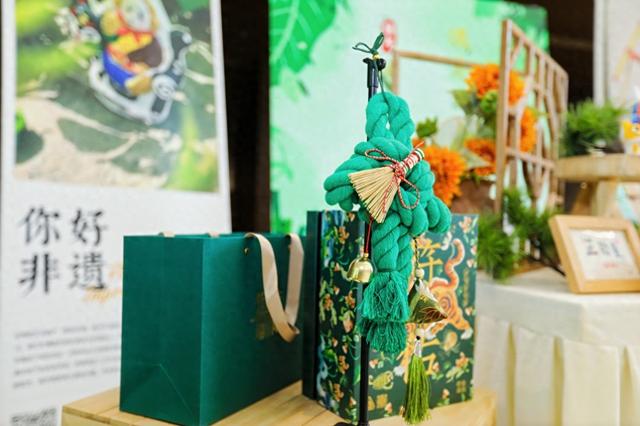
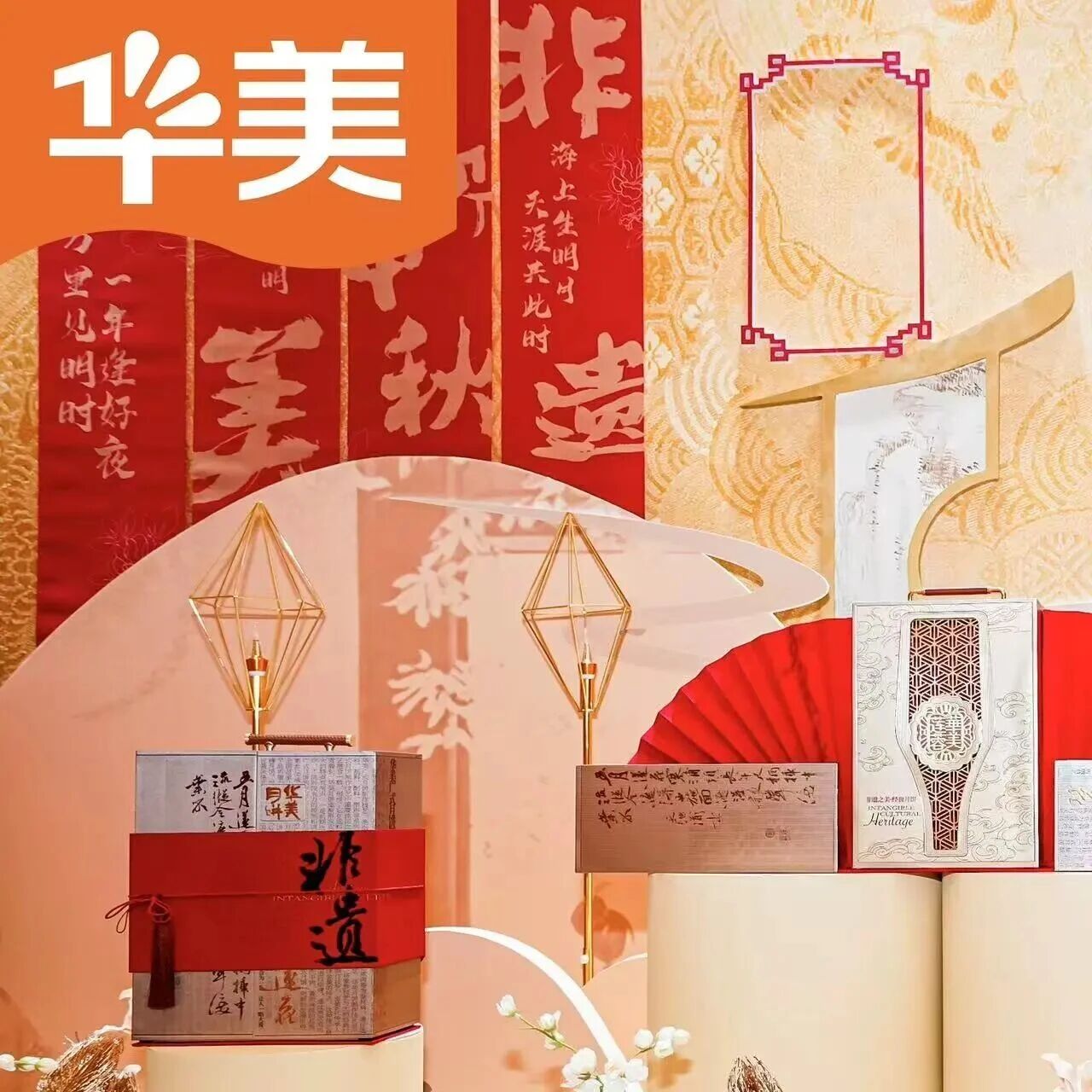
Core Insights - The article discusses the growing importance of intangible cultural heritage (ICH) in the cultural market, highlighting its potential as a resource for economic vitality while also addressing the challenges faced by traditional brands, particularly "old brands" that struggle with profitability and relevance in a modern context [1][3] Group 1: Cultural Heritage and Economic Impact - ICH is increasingly recognized as a vital part of national culture, moving beyond static museum exhibits to become a dynamic economic resource [1] - Many traditional brands, despite their historical significance, face operational challenges and are at risk of being removed from "old brand" lists due to poor management [1] - The balance between cultural heritage preservation and economic viability is a pressing issue for many traditional brands [1] Group 2: Brand Strategy and Market Positioning - Huamei Foods has been awarded for its innovative approach, focusing on a "cultural + industry" integration model that emphasizes both heritage and innovation [1][3] - The company aims to build a brand foundation based on "certainty," focusing on quality and emotional connections with consumers rather than engaging in price wars [3][5] - The brand's strategy includes creating a reliable and trustworthy image through transparent operations and quality assurance [5][6] Group 3: Cultural Experience and Consumer Engagement - Huamei Foods has redefined itself as a "guardian of Mid-Autumn culture," creating a "cultural-experience-consumption" business loop that enhances consumer engagement [7][10] - The company has launched initiatives like the "Mooncake Dream Factory," which combines cultural education and product experience, significantly increasing customer engagement [8][10] - The success of these initiatives has sparked interest among competitors, leading to a trend of establishing cultural centers in the industry [10][13] Group 4: Innovation and Future Growth - Huamei Foods' innovative approach includes developing over 50 cultural-themed gift boxes that modernize traditional craftsmanship, resulting in increased sales during peak seasons [10][14] - The company collaborates with national intangible cultural heritage projects to create a cultural ecosystem, enhancing brand visibility and social responsibility [13][14] - The integration of cultural elements into all aspects of the business is seen as a key driver for future growth, emphasizing the need for a systematic approach to cultural heritage in product development and marketing [14]


传统行业的可参考转型:华美食品如何把文化变成第二增长曲线
36氪· 2025-12-29 00:00
Core Viewpoint - The article emphasizes the importance of integrating intangible cultural heritage (ICH) into business models, highlighting how companies can leverage cultural assets for sustainable growth while maintaining economic viability [1][2][3]. Group 1: Cultural Heritage and Economic Viability - Intangible cultural heritage is increasingly recognized as a vital resource that can stimulate economic vitality, moving beyond being mere static exhibits in museums [2]. - Many traditional brands, despite their historical significance, face challenges such as poor management and financial struggles, raising concerns about balancing cultural preservation with economic performance [3][4]. - The case of Huamei Foods illustrates a successful model of integrating "culture + industry" to achieve steady growth while preserving traditional cultural values [3][4]. Group 2: Brand Strategy and Consumer Behavior - In a rapidly changing consumer landscape, Huamei Foods focuses on building "certainty" as a brand foundation, emphasizing quality, reliability, and emotional connection with consumers [6][9]. - The company addresses challenges such as supply chain pressures, intensified competition, and evolving consumer habits by avoiding short-term trends and instead focusing on consistent brand values [7][10]. - Huamei Foods' commitment to quality is demonstrated through initiatives like "transparent factories" and a "recipe upgrade" plan, ensuring trust in product quality [9]. Group 3: Cultural Integration and Innovation - Huamei Foods redefines itself as a "guardian of Mid-Autumn culture," creating a "cultural-experience-consumption" business loop that enhances consumer engagement [11][13]. - The company has developed innovative projects like the "Mooncake Dream Factory," which combines cultural education and product experience, significantly increasing customer engagement [14]. - The "Non-Heritage Beauty" product line showcases over 50 culturally themed gift boxes, translating traditional techniques into modern designs, leading to increased sales during peak seasons [16]. Group 4: Strategic Collaborations and Community Engagement - Huamei Foods collaborates with national intangible cultural heritage projects and educational institutions, fostering a cultural ecosystem and reaching over ten thousand students annually [18]. - The company's innovative model not only enhances its capabilities but also integrates cultural and commercial aspects, creating a new atmosphere where culture drives business and vice versa [18][19]. - The exploration of the "Non-Heritage +" growth curve indicates the need for companies to systematically incorporate cultural elements into all aspects of production and marketing, creating new product forms and business models [19].
端午时节话传承——北京经开区文联开展贺端午文化惠民活动
Huan Qiu Wang· 2025-05-30 03:47
Group 1 - The event held on May 29 in Beijing Economic-Technological Development Area (BDA) aimed to promote cultural integration with industry through immersive experiences related to traditional customs and heritage [1][8] - The event featured three main areas: traditional cultural interactive experience, folk culture display, and cultural resource integration, inviting community members, employees, and students to participate [1][8] - Activities included traditional games like the ancient throwing pot challenge and printing techniques, allowing participants to engage with cultural practices in a hands-on manner [2][3] Group 2 - The folk culture display showcased traditional crafts such as paper-cutting, straw weaving, and sugar blowing, with artists demonstrating their skills live [5] - The event served as a platform for cultural resources to connect with industry needs, promoting the creative transformation of traditional customs into modern experiences [8] - The BDA Cultural Federation plans to continue these "Four Advances" activities to enhance cultural soft power and support high-quality development in the region [9]