
风云四号C星

Search documents
软银计划在美国俄亥俄州投资5000亿美元建设数据中心;大湾区首艘甲醇动力船“粤创盈002”顺利完成试航丨智能制造日报
创业邦· 2026-03-21 15:57
Group 1 - Jerry's new generation of intelligent logging equipment has been successfully delivered to North America, receiving high recognition from clients, marking a breakthrough for Chinese manufacturing in the oil and gas equipment sector [2] - SoftBank plans to invest $500 billion in building a large-scale data center infrastructure project in Ohio, USA, with an additional $33 billion natural gas power facility to support the center by the end of 2028 [2] - The first set of observation images from China's Fengyun-4C satellite has been released, showcasing advanced monitoring capabilities from space to Earth, establishing China as a leader in real-time meteorological monitoring [2] - The first methanol-powered ship in the Greater Bay Area, "Yue Chuang Ying 002," has successfully completed its trial voyage, validating the full operational capabilities of its pure methanol power system [2]



成功发射!风云四号C星有哪些硬核实力
Xin Lang Cai Jing· 2025-12-27 18:41
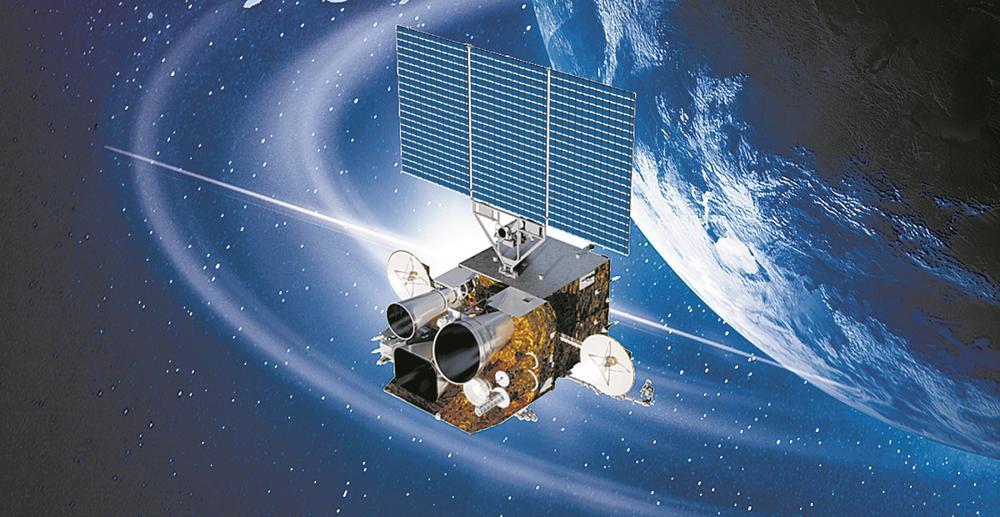
Core Viewpoint - The successful launch of the Fengyun-4C satellite marks a significant advancement in China's meteorological observation capabilities, enhancing the country's ability to predict severe weather and monitor space weather [1][2][3] Group 1: Satellite Specifications and Capabilities - Fengyun-4C satellite's technical indicators are improved by 2 to 3 times compared to Fengyun-4B, making it the strongest geostationary meteorological satellite globally in terms of comprehensive observation capabilities [1] - The satellite is equipped with four different ground remote sensing instruments and two solar observation instruments, enabling multi-channel two-dimensional imaging, three-dimensional atmospheric detection, high-frequency lightning detection, ionospheric imaging, and solar imaging [1][2] - The satellite's geostationary radiation imaging instrument can now distinguish atmospheric temperature changes of 1/50 degrees Celsius from 10,000 kilometers away, with a full disk imaging time reduced from 15 minutes to 5 minutes [2] Group 2: Technological Innovations - The satellite features a new electric propulsion high-performance remote sensing platform, which allows for high-precision in-orbit autonomous maintenance and angular momentum unloading, achieving a precision improvement of over 10 times [1] - The interferometric infrared detector has improved spatial resolution from 12 kilometers to 8 kilometers, capable of completing temperature and humidity detection in China within one hour [2] - The lightning imaging instrument can capture 500 frames per second, capable of identifying lightning events from a data stream of 30 Gbps, equivalent to reviewing 30 HD movies in one second [2] Group 3: Impact on Meteorological Services - Fengyun-4C will work in conjunction with previous satellites to form a more efficient collaborative observation network, significantly enhancing China's capabilities in weather forecasting, disaster prevention, and ecological monitoring [2][3] - The satellite's inter-satellite collaborative observation capability aims to create a "data highway" in space, advancing the international meteorological observation system towards a model of "discovery and observation, observation and service" [3]
成功发射 风云四号C星有啥“超能力”
Xin Lang Cai Jing· 2025-12-27 17:39
Core Viewpoint - The successful launch of the Fengyun-4C satellite enhances China's capabilities in monitoring extreme weather and addressing climate change, marking a significant advancement in meteorological technology [3][4]. Group 1: Satellite Capabilities - Fengyun-4C satellite features six advanced payloads that significantly improve the frequency and accuracy of monitoring small to medium-scale weather systems [3]. - The satellite operates at an altitude of 36,000 kilometers in geostationary orbit, making it the strongest single satellite for comprehensive detection globally [3]. - The satellite's imaging capabilities have doubled in spatial resolution, allowing for full-disk observations every 5 minutes and regional imaging every minute [4]. Group 2: Enhanced Monitoring - The interferometric atmospheric vertical detection instrument has improved spatial resolution from 12 kilometers to 8 kilometers, enabling regular observations every hour and enhanced observations every 15 minutes [4]. - The satellite will provide continuous lightning monitoring throughout the year, contributing to more accurate weather predictions [4]. Group 3: Broader Applications - The multi-band ionospheric ultraviolet spectral imager and solar extreme ultraviolet imager will enable unprecedented imaging of the ionosphere and the sun, respectively, aiding in the monitoring of space weather events [4]. - The Fengyun-4C satellite is expected to enhance disaster monitoring and early warning capabilities for severe weather events such as strong convection and typhoons [4]. Group 4: Global Impact - China has successfully launched 23 meteorological satellites across two generations and four types, with 10 currently operational, providing data services to 133 countries and regions [4].
气象卫星家族添了“葫芦娃”
Xin Lang Cai Jing· 2025-12-27 17:39
Core Viewpoint - The successful launch of the Fengyun-4C satellite enhances China's meteorological satellite capabilities, adding a highly advanced member to the existing fleet of over 20 Fengyun satellites [3]. Group 1: Satellite Capabilities - Fengyun-4C is equipped with four different ground remote sensing instruments and two solar observation instruments, showcasing comprehensive observation capabilities including multi-channel 2D imaging, 3D atmospheric detection, high-frequency lightning detection, ionosphere imaging, and solar imaging [5]. - The satellite's advanced geostationary radiation imager can now achieve full-disk imaging in 5 minutes, down from 15 minutes, and can detect temperature changes in the atmosphere to within one-fiftieth of a degree Celsius [5]. - The interferometric infrared detector has improved spatial resolution from 12 kilometers to 8 kilometers, allowing for temperature and humidity detection across China within one hour [5]. Group 2: Technological Innovations - Fengyun-4C introduces several innovative technologies that fill domestic and international gaps, including a multi-band ultraviolet ionospheric imager that achieves high-spectral ionospheric detection in the extreme ultraviolet band for the first time in China [6]. - The lightning imager can capture 500 frames per second and has the capability to identify lightning events from a data stream of 30 Gbps, equivalent to playing 30 HD movies in one second while pinpointing lightning signals [6]. - The design of the satellite's "vector adjustment mechanism + small thrust Hall thruster" enhances its maneuverability, allowing it to operate within a significantly reduced spatial area, improving precision by over ten times [6].

风云四号C星有哪些“超强能力”
Xin Lang Cai Jing· 2025-12-27 17:39
Core Viewpoint - The successful launch of the Fengyun-4C satellite enhances China's capabilities in monitoring extreme weather and addressing climate change, marking a significant advancement in meteorological satellite technology. Group 1: Enhanced Observation Capabilities - The Fengyun-4C satellite features six advanced payloads that significantly improve the frequency and precision of monitoring small to medium-scale weather systems [2] - The satellite's geostationary radiation imaging instrument has doubled its spatial resolution, allowing for full-disk observations every 5 minutes and regional imaging every minute [2] - The interferometric atmospheric vertical sounding instrument has improved its spatial resolution from 12 kilometers to 8 kilometers, enabling more accurate data for numerical weather prediction and typhoon modeling [2] Group 2: Improved Early Warning Systems - The Fengyun-4C satellite enhances monitoring and early warning capabilities for severe weather events, with a 33% improvement in time resolution for monitoring convective clouds compared to its predecessor [4] - The satellite can predict hail and heavy rainfall in South China's summer storms with an accuracy improvement of approximately 20%, providing earlier warnings by 15 to 30 minutes [4] - For typhoon monitoring, the satellite captures rapid changes in temperature and humidity in the typhoon's core, reducing forecast errors for path and intensity [4] Group 3: Climate Change Response - The satellite's enhanced observation capabilities will improve the monitoring of atmospheric components, humidity, clouds, and radiation, significantly reducing precipitation forecast errors [5] - It can monitor surface temperature every 10 minutes, providing reliable data for predicting extreme heat events and drought conditions [5] - The satellite's ability to monitor key climate variables continuously will support research on regional climate change issues, such as monsoon outbreaks and urban heat islands [6] Group 4: Future Developments in Meteorological Satellites - Following the launch of Fengyun-4C, China plans to continue launching additional Fengyun satellites, including optical series and the world's first geostationary microwave detection satellite [6] - The Fengyun-4C will work in conjunction with existing satellites to enhance global and regional disaster prevention capabilities [6] - China has successfully launched 23 meteorological satellites across two generations, providing data services to 133 countries and regions [7]
成功发射!风云四号C星有哪些“超强能力”
Xin Hua She· 2025-12-27 12:44
Core Viewpoint - The successful launch of the Fengyun-4C satellite enhances China's capabilities in monitoring extreme weather and addressing climate change, marking a significant advancement in meteorological satellite technology [1][3]. Group 1: Observational Performance - The Fengyun-4C satellite features six advanced payloads that significantly improve the frequency and precision of monitoring small to medium-scale weather systems [2]. - The satellite's geostationary radiation imaging instrument has doubled its spatial resolution, allowing for full-disk observations every 5 minutes and regional imaging every minute [2]. - The interferometric atmospheric vertical profiler has improved its spatial resolution from 12 kilometers to 8 kilometers, enabling more accurate data for numerical weather prediction and typhoon modeling [2]. Group 2: Enhanced Early Warning Capabilities - The Fengyun-4C satellite provides enhanced monitoring and early warning for severe weather events, with a 33% improvement in time resolution for monitoring strong convective clouds compared to its predecessor [6]. - In the case of severe convective weather, the satellite can predict hail and heavy rainfall areas 1 to 2 hours in advance, improving warning accuracy by approximately 20% [6]. - For typhoon monitoring, the satellite captures rapid changes in temperature and humidity in the typhoon's core, significantly reducing forecast errors for path and intensity [6]. Group 3: Climate Change Response - The satellite's capabilities in atmospheric composition detection will enhance numerical forecasting and improve responses to climate change [7]. - It can continuously observe key atmospheric parameters, significantly reducing precipitation forecast errors and providing precise monitoring of extreme heat events [7]. - The satellite's high-frequency monitoring of vegetation indices and surface temperatures aids in identifying drought conditions and their development [7]. Group 4: Future Developments - Following the launch of Fengyun-4C, China plans to continue launching additional Fengyun satellites, including optical series and the world's first geostationary microwave detection satellite [10]. - The Fengyun-4C will work in conjunction with existing satellites to enhance global and regional disaster prevention capabilities [10]. - China has successfully launched 23 meteorological satellites across two generations, providing data services to 133 countries and regions, supporting disaster prevention and scientific research [10].
风云四号C星发射取得圆满成功
Xin Lang Cai Jing· 2025-12-27 12:31
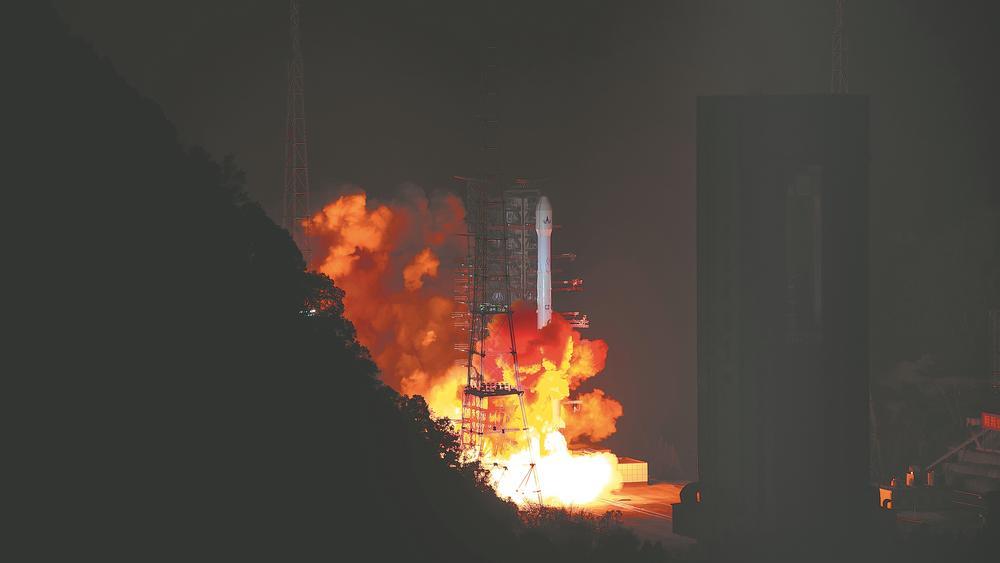
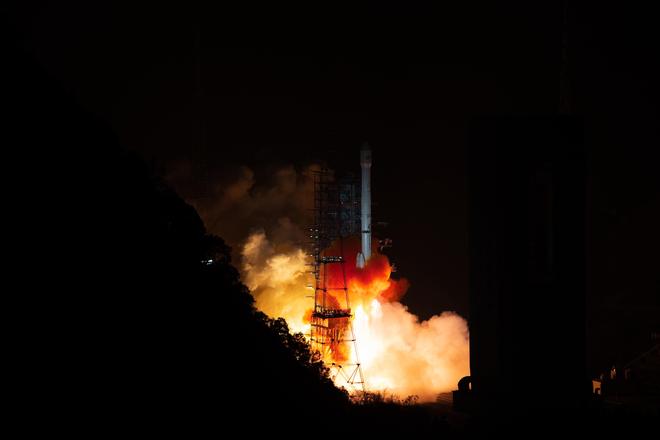
Core Viewpoint - The successful launch of the Fengyun-4C satellite marks a significant advancement in China's meteorological observation capabilities, enhancing weather forecasting and space weather monitoring through advanced technology and improved observational instruments [1][4][6]. Group 1: Satellite Specifications and Capabilities - Fengyun-4C is equipped with a new electric propulsion high-performance remote sensing platform, featuring four different ground remote sensing instruments and two solar observation instruments, significantly enhancing its observational capabilities [4]. - The satellite's technical specifications have improved by 2 to 3 times compared to its predecessor, Fengyun-4B, making it the most capable geostationary meteorological satellite globally [4]. - The satellite's advanced instruments include a radiation imaging device that reduces observation time from 15 minutes to 5 minutes, and an interferometric infrared detector with improved spatial resolution from 12 km to 8 km [5]. Group 2: Technological Innovations - The satellite employs a newly designed "vector adjustment mechanism + small thrust Hall thruster," allowing for high-precision autonomous orbit maintenance and momentum unloading, achieving a precision improvement of over 10 times [4]. - The lightning imaging instrument can capture 500 frames per second and identify lightning events from a data stream of 30 Gbps, showcasing its advanced detection capabilities [5]. Group 3: Strategic Importance and Future Plans - The successful launch of Fengyun-4C brings the total number of Fengyun meteorological satellites to 23, reinforcing China's position in global meteorological observation systems [5]. - The satellite's inter-satellite collaborative observation capability will contribute to the establishment of an international meteorological observation system, moving towards a model of "discovery equals observation, observation equals service" [6]. - Future plans include launching more geostationary and low-orbit meteorological satellites to create a space-based meteorological collaborative observation system, supporting high-quality development in meteorology [6].
追“风”逐“云”,气象卫星家族添了“葫芦娃”!
Xin Lang Cai Jing· 2025-12-27 10:27
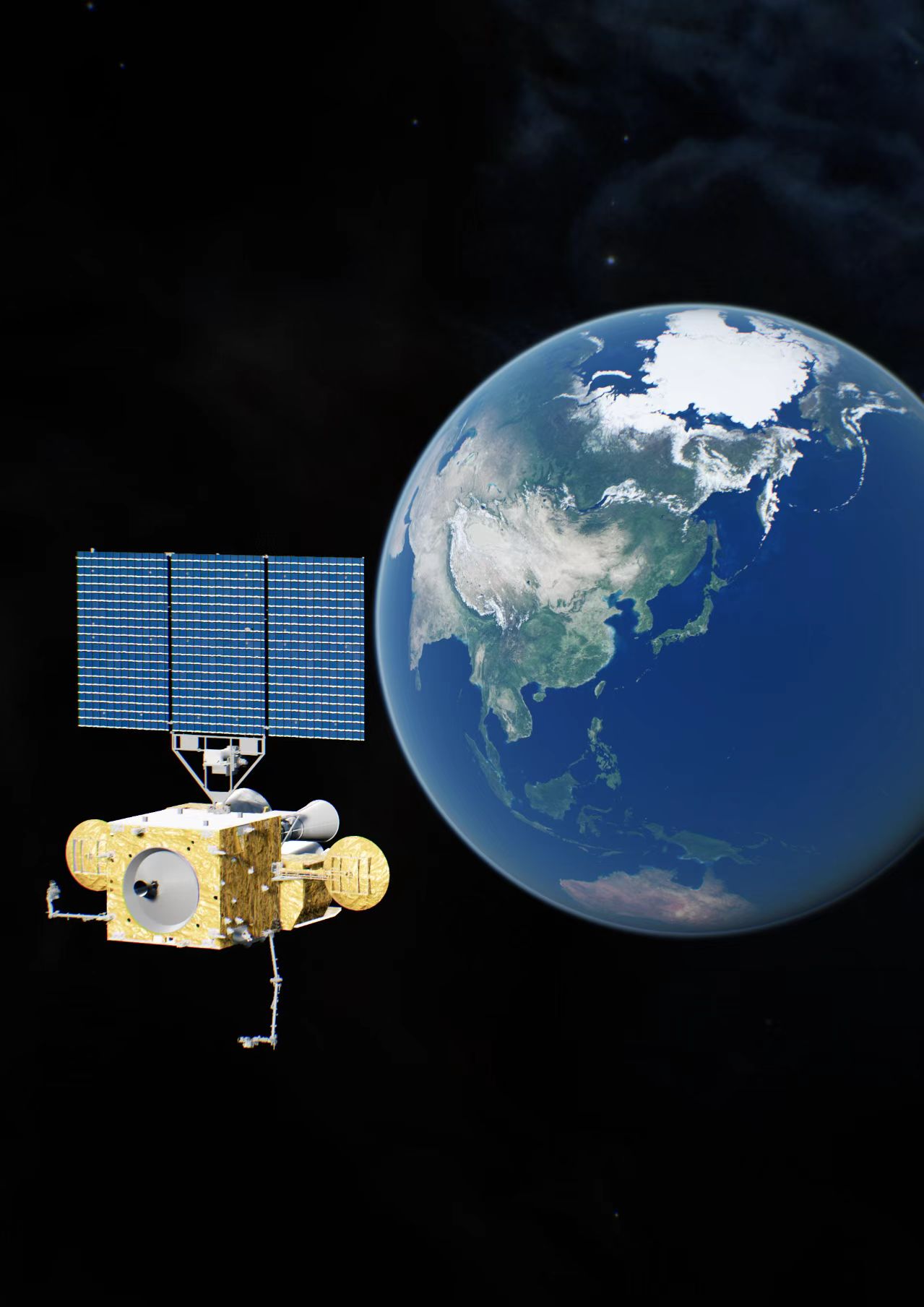
Core Viewpoint - The successful launch of the Fengyun-4C satellite enhances China's meteorological satellite capabilities, contributing to a more advanced and comprehensive observation system [2][4]. Group 1: Satellite Capabilities - Fengyun-4C satellite is equipped with four different ground remote sensing instruments and two solar observation instruments, showcasing advanced capabilities in multi-channel imaging, atmospheric three-dimensional detection, and high-frequency lightning detection [2][4]. - The satellite's full-disk imaging time has been reduced from 15 minutes to 5 minutes, allowing it to detect temperature changes of one-fiftieth of a degree Celsius from thousands of kilometers away [2]. - The interferometric infrared detector has improved spatial resolution from 12 kilometers to 8 kilometers, enabling temperature and humidity detection across China within one hour [2][4]. Group 2: Technological Innovations - The multi-band ultraviolet ionospheric imager achieves high-spectral ionospheric detection in the extreme ultraviolet band for the first time in China, filling a significant gap in solar monitoring and forecasting [4][6]. - The lightning imaging device can capture 500 frames per second and identify lightning events from a data stream of 30 Gbps, demonstrating its advanced data processing capabilities [4][6]. Group 3: Collaborative Observation Network - The addition of Fengyun-4C supports inter-satellite collaboration and high-speed data transmission, enhancing the overall efficiency of the observation network [6][7]. - The integration of multiple geostationary and low-orbit meteorological satellites aims to create a "data highway" in space, facilitating real-time observation and service delivery [7].

风云四号C星成功发射 综合探测能力大幅提升
Xin Lang Cai Jing· 2025-12-27 10:27
Core Viewpoint - The successful launch of the Fengyun-4C satellite enhances China's meteorological monitoring capabilities, particularly in response to extreme weather events, and supports the national strategy for improving disaster prevention infrastructure [1][2]. Group 1: Satellite Launch and Features - The Fengyun-4C satellite was launched on December 27, 2023, using the Long March 3B rocket, and is the latest member of the second-generation geostationary meteorological satellite series [1]. - Fengyun-4C will replace the aging Fengyun-4A satellite and work alongside Fengyun-4B to establish a "dual-satellite operation and on-orbit backup" system [1]. - The satellite is equipped with six advanced payloads that meet international standards, significantly improving monitoring capabilities for small to medium-scale weather systems [2]. Group 2: Enhanced Monitoring Capabilities - The geostationary radiation imager's spatial resolution has doubled, allowing for detection of China and surrounding areas every 5 minutes, with continuous rapid imaging every minute [2]. - The interferometric atmospheric vertical profiler's spatial resolution has improved from 12 kilometers to 8 kilometers, enabling regular observations every hour and enhanced observations every 15 minutes [2]. - The satellite will provide uninterrupted lightning monitoring throughout the year, bolstering the ability to monitor and warn against severe convective weather [2]. Group 3: Broader Impact and Global Service - Fengyun-4C is expected to be positioned at 133°E, expanding the monitoring range to the central Pacific, thereby enhancing the monitoring of typhoon activities in the western Pacific [2]. - To date, China has launched 23 Fengyun meteorological satellites, with 10 currently operational, providing data products and services to 133 countries and regions globally [3]. - The China Meteorological Administration aims to enhance the effectiveness of the Fengyun satellite system, supporting global monitoring, forecasting, and services under the "Observation as a Service" concept [3].
风云四号C星 大幅提升天气系统监测预警的频次和精度
Yang Shi Xin Wen· 2025-12-27 07:37
Group 1 - The article does not contain any relevant content regarding companies or industries [2]