风味牛奶

Search documents
粤BA开赛:“票根经济”带火21城,一球兴城撬动大消费
21世纪经济报道· 2026-03-23 00:01
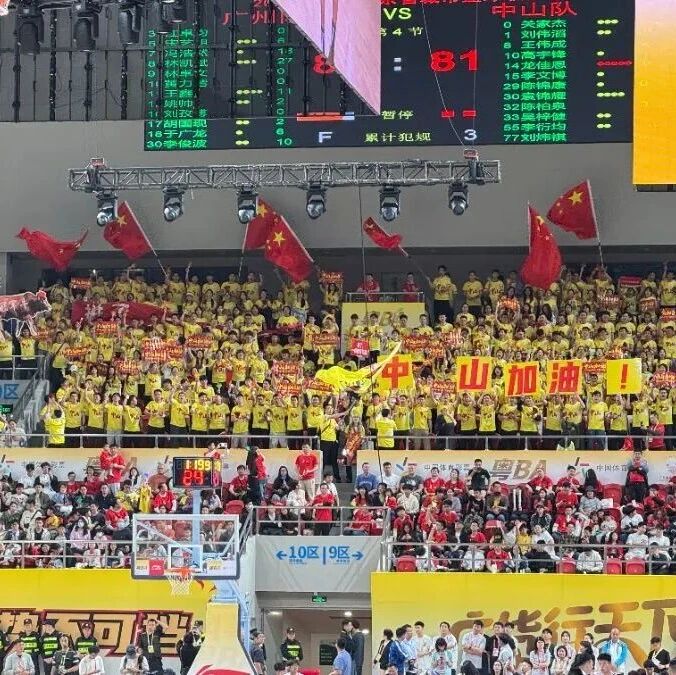
记者丨谭砚文 编辑丨蒋韵 从"看球"到"看城" "开心!非常开心!我支持中山!""粤BA"揭幕战结束后,来现场观战的球迷仍处于兴奋之中,中山球迷雪姨已经嗓音 沙哑。 3月21日晚,"粤BA"揭幕战在广州天河体育中心打响,中山队逆转广州队取得"开门红"。 赛前开幕仪式中,21个地市代表队带着各自城市的特色亮相,为自己的家乡代言。场馆外,21座城市的特色展位沿通 道一字排开,非遗押花、潮玩手办、地方美食、科技产品……各地带来的"广货"吸引着来往观众驻足。一场篮球赛, 成了广东制造与岭南文化的集中展示窗口。 这场比赛点燃的不仅是篮球热情,还有城市的消费热情。一张8.8元的门票,成为撬动餐饮、商圈、文旅的支点。在广 州、深圳、东莞等多个赛区,购票观众均可凭票根享受餐饮折扣、商圈优惠及景区门票减免。 从看一场球,到吃一顿 饭、逛一个商圈、游一座城,8.8元撬动的是实实在在的消费链条。 这套"以赛营城"的联动机制,在十五运会期间已经得到验证。全省21市打造"一城一品"体育名片,推出"跟着全运游广 东"等活动,带动门票收入2.45亿元、主题彩票销量9.13亿元、特许商品货值超8.2亿元,均创历史新高。如今,"粤 BA"延续 ...

看球扫货21城!一张粤BA门票,可享消费券1000减200、景区打8折
21世纪经济报道· 2026-03-22 00:49
记者丨 谭砚文 编辑丨蒋韵 3月21日晚,2026年广东省城市篮球联赛("粤BA")揭幕战在广州天河体育中心天河体育馆 举行,由广州队对阵中山队。 赛场之内激战正酣,赛场之外同样热闹——天河体育中心体育馆二层平台,广东21地市搭起 展位,将各自的广货带到观众面前。 广州市展位。谭砚文摄 南方财经记者在现场看到,从广州非遗押花到东莞AI潮玩,各展位汇聚了来自全省各地的特 色产品,既有老字号品牌与创新产品,也有文创衍生品和制造精品,展现了广东深厚的产业 底蕴与多元的城市文化。广货借助体育赛事的高关注度,从场内走向场外,让更多人看见、 体验、带走。 正如"友谊第一,宵夜第二,比赛第三",看完比赛去吃宵夜成为市民观赛生活的真实写照, 赛事带动下,消费活力随之升温。 据了解, 粤BA揭幕赛现场面向购票观众定向发放万张"食在广州"餐饮消费券,此外,市民及 游客凭赛事门票还可享受商圈、景点门票优惠。一张"票根"串联起从观赛到餐饮、购物、旅 游的全链条消费,进一步激发了体育赛事的综合带动效应。 粤B A赛场即广货舞台 场内,广东21地市球员相继亮相;场外,21座城市则带来各地特色广货,集中展现城市风 貌。 在广州展位上,系列 ...

中金 | 破局存量竞争:中国食饮出海掘金指南
中金点睛· 2025-12-30 00:01
Core Viewpoint - The domestic food and beverage industry in China has entered a mature phase with slowing growth, but recent policy benefits, supply chain advantages, and product enhancements have laid the groundwork for domestic companies to expand overseas [2][3]. Group 1: Market Overview - The overall growth rate of the domestic food and beverage industry is projected to be only 2.0% from 2020 to 2024, with traditional categories like mid-range beer and basic condiments entering a phase of stock competition [3]. - Some niche segments, such as energy drinks and compound seasonings, continue to show high growth, but the industry as a whole faces a ceiling [3]. - The RCEP agreement and cross-border trade facilitation actions have reduced tariffs and logistics costs, enhancing the conditions for Chinese companies to go global [3]. Group 2: Global Market Opportunities - The CAGR for the food and beverage industry in Southeast Asia, the U.S., and Western Europe from 2020 to 2024 is projected to be 4.6%, 5.9%, and 4.7% respectively, significantly higher than China's 2.0% [3][5]. - Southeast Asia has a population of approximately 600 million, with a young demographic and dietary habits similar to China, making it an attractive market for entry [3][7]. - The U.S. market, with a size of $919.8 billion, offers substantial opportunities due to its large scale and high consumer purchasing power, particularly among the growing Asian population [3][5]. - The EU has a high per capita GDP of $41,423, indicating strong consumer purchasing power and a clear trend towards premium products, providing space for differentiated offerings [3][5]. Group 3: Successful Case Studies - Kikkoman successfully entered the U.S. market in the 1960s by focusing on brand cultivation and local production, demonstrating the importance of understanding market inflection points and building a global distribution system [4]. - Domestic company Mixue has rapidly expanded overseas by leveraging cost-effectiveness, intellectual property, and franchising [4]. - Aisle has successfully penetrated the Indonesian market by enhancing brand recognition through localized innovation, achieving a market share among the top three [4]. Group 4: Regional Market Characteristics - Southeast Asia's food and beverage market is characterized by a young population and rapid GDP growth, making it a prime location for localized and scalable market entry [11]. - The U.S. market is marked by a growing Asian demographic with high income levels, creating a core consumer group for Asian food and beverages [12]. - The European market emphasizes high per capita income and a strong demand for health-oriented products, aligning well with Chinese offerings in tea, functional drinks, and plant-based products [12]. Group 5: Sector-Specific Insights - The seasoning market in Southeast Asia is growing steadily, with sauces and seasonings accounting for the highest market share [15]. - The U.S. seasoning market is projected to reach $37.28 billion in retail sales by 2024, with a CAGR of 6.8% from 2019 to 2024, indicating a diverse consumer preference [20][22]. - The snack market in Southeast Asia is experiencing rapid growth, with the region's snack market retail sales projected to reach $19.15 billion by 2024 [23][25]. Group 6: Challenges and Competitive Landscape - The competitive landscape in Southeast Asia is fragmented, with both local leaders and international giants present, necessitating a focus on differentiated product offerings [28]. - In the U.S. and Western Europe, the snack market is dominated by major international players, making it essential for Chinese companies to leverage unique flavors and innovative products to gain market entry [34].