
食物银行

Search documents
盘活存量,关键在巧拨“炭火”(评论员观察)
Ren Min Ri Bao· 2026-01-20 23:38
Group 1 - The core idea emphasizes transforming the approach from "heavy construction to light management" to better activate the value of existing assets by discovering and utilizing underused resources [1][2] - The concept of a "food bank" in Shenzhen, which collaborates with supermarkets to collect unsold food, illustrates how repurposing existing resources can benefit both the community and businesses by reducing waste and providing tax incentives [1][2] - The "time bank" initiative in Chongqing encourages healthy younger seniors to provide services to older seniors, creating a system where time spent volunteering can be exchanged for goods or future services, thus enhancing community engagement and resource utilization [2][3] Group 2 - The article suggests that activating existing resources requires a mutual benefit mechanism, where all parties involved can see immediate and future advantages, exemplified by the "time bank" model [3] - It highlights the need for innovation in thinking, methods, and technology to unlock the value of existing resources, which can include not only physical assets but also skills and behavioral choices [3] - The overall goal is to achieve sustainable development by ensuring that every update meets human needs and that every piece of land generates new value, thereby fostering continuous growth in urban and rural areas [2][3]
“食物银行”为何暖人心
Jing Ji Ri Bao· 2025-12-30 00:32
Core Insights - The "Food Bank" initiative in Shenzhen's Futian District has gained public attention for its innovative approach to redistributing near-expiry food items from businesses to those in need, effectively reducing food waste and supporting low-income households [1][2]. Group 1: Initiative Overview - The "Food Bank" operates like a vending machine, providing near-expiry food for free to low-income individuals before 8 PM, and to all citizens after that time [1]. - The initiative was launched in May 2022 and has been running successfully for over three years, relying on a collaborative model involving government, businesses, social organizations, and community participation [2]. Group 2: Operational Model - The program utilizes a multi-faceted approach to ensure sustainability, transforming scattered acts of charity into a stable and replicable support mechanism, while also allowing participating businesses to benefit from tax deductions [2]. - Innovative operational mechanisms, such as online reservations and QR code scanning for food collection, prioritize the dignity and needs of recipients, allowing them to receive assistance without stigma [2]. Group 3: Societal Impact - The "Food Bank" exemplifies a shift in public policy focus towards human-centered development, highlighting the importance of compassion and support in urban environments [3]. - Similar innovative public service models are emerging across various cities, addressing specific community needs and enhancing urban governance through a more humane approach [2].
新闻周刊丨让剩余食物发挥“余热”,“食物银行”你见过吗
Yang Shi Xin Wen· 2025-12-27 23:30
Core Viewpoint - The "Food Bank" initiative in Shenzhen's Futian District provides free food to those in need through a smart, contactless system, highlighting community support and efficient food redistribution [1][3][9]. Group 1: Operation and Accessibility - The "Food Bank" operates 24/7, allowing individuals to reserve food via an app, with priority given to vulnerable groups such as low-income individuals, the disabled, and sanitation workers [1][3]. - Food is typically collected from supermarkets and businesses, including fresh produce and items nearing their expiration date, ensuring minimal waste [3][9]. - The system has been effective, with food often fully reserved within an hour and a half of availability, indicating high community engagement [1][9]. Group 2: Volunteer Involvement and Support - Over 20 volunteers support the operation of the food banks, assisting individuals who may have difficulty accessing the food or require specific dietary considerations [5][7]. - Volunteers also ensure food safety by checking expiration dates and the quality of items before they are made available [3][9]. Group 3: Community and Corporate Engagement - The initiative has seen participation from local businesses, which can advertise their contributions and benefit from tax deductions for donations, thus reducing their waste disposal costs [9]. - The program has successfully served over 500,000 individuals across 22 food banks in 10 streets within the Futian District [9].

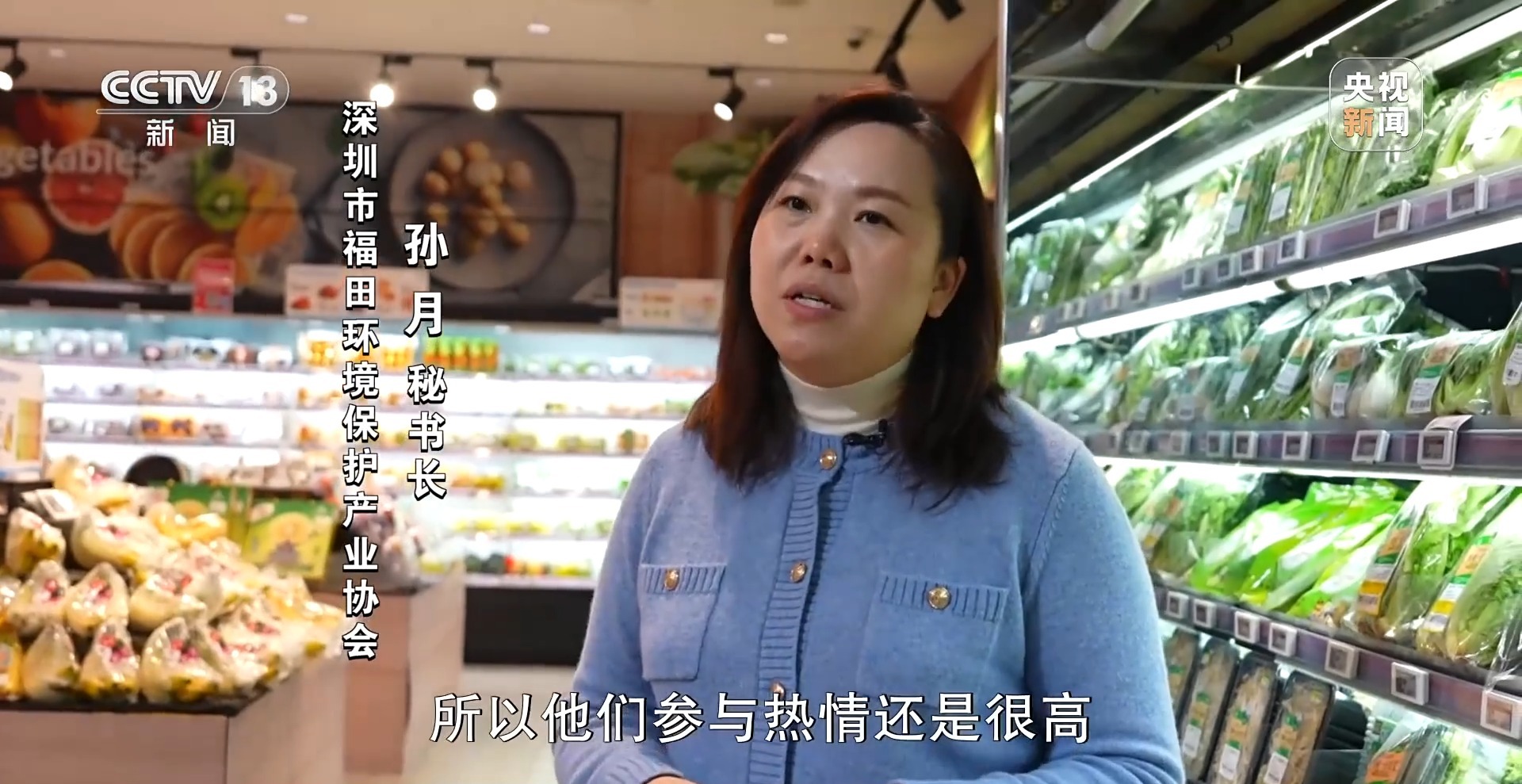
深圳“食物银行”上线三年 惠及近50万人次
Sou Hu Cai Jing· 2025-12-24 15:34
Core Viewpoint - The Shenzhen Futian District "Food Bank" project has successfully provided food support to nearly 500,000 individuals over three years, while also reducing food waste and carbon emissions through the recovery of surplus food from supermarkets and hotels [5][13]. Group 1 - The "Food Bank" project operates 24-hour smart cabinets that distribute surplus or near-expiry safe food to specific groups for free [5][7]. - The project has received approximately 500,000 food donations, benefiting nearly 500,000 people [13]. - The smart cabinets are strategically placed across 22 locations in Futian District, covering 10 streets and targeting key areas such as old residential communities and urban villages [11]. Group 2 - The project prioritizes assistance to low-income families, disabled individuals, and temporary hardship cases, including sanitation workers and delivery personnel, who are included in a "white list" for priority access [7][9]. - Beneficiaries can reserve food through the "i Shenzhen" app, and any remaining food after 8 PM is made available to all citizens to minimize waste [9].

24小时“食物银行”让温暖不打烊
Xin Lang Cai Jing· 2025-12-23 19:08
Core Idea - The "Food Bank" initiative in Shenzhen's Futian District has gained popularity, providing food assistance to approximately 500,000 individuals over the past three years, significantly reducing food waste and carbon emissions [3][5][6]. Group 1: Project Overview - The "Food Bank" is not a financial institution but a network of smart food storage cabinets that allow individuals to access donated food [3][5]. - Since its launch on May 31, 2022, the project has received around 500,000 food donations, saving approximately 195 tons of food and reducing carbon emissions by 390 tons [5][6]. - The initiative aims to reduce food waste and assist vulnerable groups by redistributing surplus food that is still safe for consumption [5][6]. Group 2: Operational Mechanism - Food donations come primarily from charitable enterprises and supermarkets, with strict safety standards in place for all donated items [5][6]. - A standardized process ensures food safety and traceability from donation to distribution, with staff sorting, testing, and packaging food daily [5][6]. - Special groups such as low-income individuals, disabled persons, and others can access food through an online reservation system, ensuring privacy and reducing the stigma associated with receiving aid [6][7]. Group 3: Community Impact - The "Food Bank" serves as a practical support system for those in temporary hardship, while also educating the public on food conservation and low-carbon living [8][9]. - It provides a platform for businesses to fulfill their social responsibilities by donating food that would otherwise be wasted, creating a win-win situation for all parties involved [8][9]. - The initiative promotes a culture of mutual assistance and environmental awareness, addressing the global issue of food waste in a dignified manner [8][9].
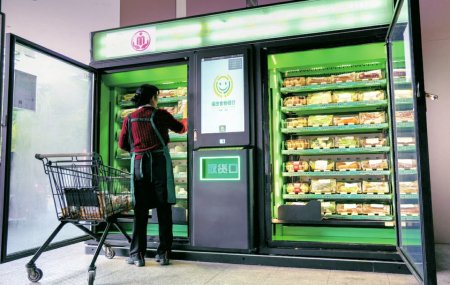
深圳“食物银行”走红互联网 其中有一份老兵“定制温暖”
Xin Lang Cai Jing· 2025-12-20 00:32
Core Viewpoint - The article highlights the success of Shenzhen's 24-hour "Food Bank," which provides free access to food for those in need, showcasing community support and individual contributions, particularly through the "Veteran Steamed Bun" initiative led by a retired soldier [2][9]. Group 1: Food Bank Overview - Shenzhen's "Food Bank" has been operational for three and a half years, featuring smart cabinets stocked with fresh food items like vegetables and bread, available for free to citizens in need [2][10]. - The initiative has expanded to include 22 smart cabinets across 10 streets in the Futian District, with a model that involves government, businesses, and social organizations working together [9][10]. - The project has received donations from 87 companies, totaling over 484,000 food items, benefiting approximately 484,000 individuals and saving about 195 tons of food [10]. Group 2: Veteran Steamed Bun Initiative - The "Veteran Steamed Bun," created by retired soldier Liu Dailu, is a unique contribution to the "Food Bank," providing a nostalgic food item that resonates with veterans [2][6]. - Liu Dailu has personally funded the production of these buns, which are made to replicate the ones he remembers from military service, and has distributed over 180,000 buns since the initiative began [7][8]. - The buns are now supplied to a wider audience, including sanitation workers and low-income households, reflecting a growing demand and community support [6][7]. Group 3: Community Impact and Personal Commitment - Liu Dailu's commitment to the "Veteran Steamed Bun" project is driven by his desire to connect with fellow veterans and provide them with a taste of their shared past, funded entirely by his retirement pension [8]. - The initiative has become a symbol of community spirit, with the buns being distributed monthly and quickly being claimed by those in need [6][7]. - Liu's dedication to philanthropy extends beyond the buns, as he has participated in various charitable activities, embodying the spirit of public service that has characterized his life in Shenzhen [8].
