香水和化妆品

Search documents
法国对美出口去年四季度显著下滑
Xin Hua She· 2026-02-07 03:20
Core Insights - The article highlights a significant decline in French exports to the United States, particularly in sectors such as spirits, wine, cosmetics, and leather goods, due to U.S. tariff policies and exchange rate factors [1] Export Performance - In the fourth quarter of the previous year, French exports to the U.S. (excluding the aerospace sector) decreased by 13% year-on-year [1] - Specific declines included a 47% drop in spirits exports, a 39% decrease in wine exports, a 25% decline in perfumes and cosmetics, and a 15% reduction in leather goods [1] Overall Trade Figures - For the entire year of 2025, France's total export value increased by 2.5% compared to the previous year, reaching €614.7 billion, driven mainly by the aerospace, pharmaceuticals, electronics, and metallurgy sectors [1] - In contrast, the total import value grew only by 0.7% to €703.6 billion, influenced by a decline in energy prices [1] Trade Surplus - France's food trade surplus fell to €200 million, marking the lowest level in at least 25 years [1] Future Outlook - According to Allianz Trade economist Maxime Dalmé, France's overall foreign trade competitiveness remained stable last year, with strong global demand for aerospace and military equipment expected to help improve the trade deficit in 2026 [1]
天津首家市内免税店,明日开业!
Sou Hu Cai Jing· 2025-11-28 01:16
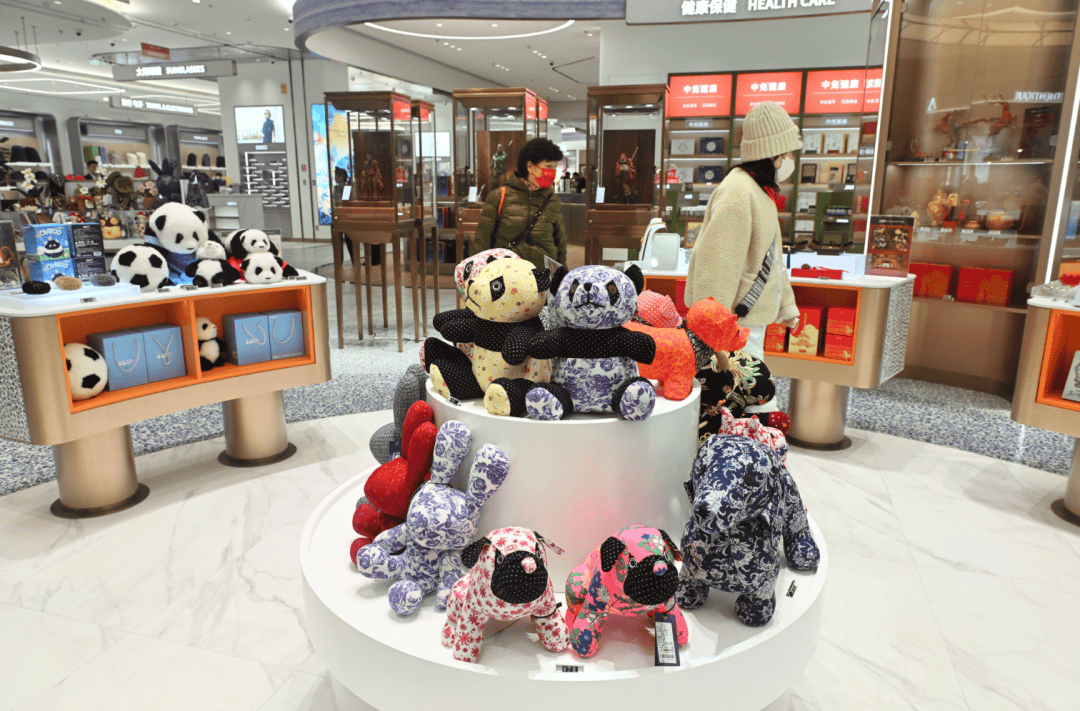
Core Insights - The first city duty-free shop in Tianjin will officially open on November 28, featuring a business model that combines "duty-free + taxable," "imported + domestic," and "offline + online" sales channels [1][4] - The store covers an area of 1,105.5 square meters and offers a variety of products, including perfumes, cosmetics, watches, jewelry, sunglasses, and alcoholic beverages in the duty-free section, while taxable goods include health products, trendy toys, and domestic premium products [1][4] Summary by Sections - **Store Operations** - The duty-free shop is located on the first floor of the Renheng Isetan A Building on Dongma Road in Nankai District [1] - The store's operational model integrates both duty-free and taxable items, catering to a diverse customer base [1] - **Product Offerings** - Duty-free products include categories such as perfumes, cosmetics, watches, jewelry, sunglasses, and alcoholic beverages [1] - Taxable products encompass health supplements, trendy toys, taxable alcoholic beverages, and domestic premium goods [1] - **Tax Regulations** - Imported goods in the city duty-free shop are exempt from tariffs, value-added tax, and consumption tax [4] - Domestic products sold in the duty-free shop are treated as exports, allowing for tax refunds on value-added tax and consumption tax [4] - **Customer Eligibility** - Sales of duty-free products are restricted to travelers holding exit-entry documents and who have purchased outbound flight tickets within 60 days from Tianjin Binhai Airport [4] - Foreigners and residents from Hong Kong, Macau, and Taiwan who have lived in China for no more than 183 days can enjoy immediate tax refunds on taxable goods under certain conditions [4]

湖北离境退税政策实施首日,武汉多个商场成功“开单”
Chang Jiang Ri Bao· 2025-07-01 11:23
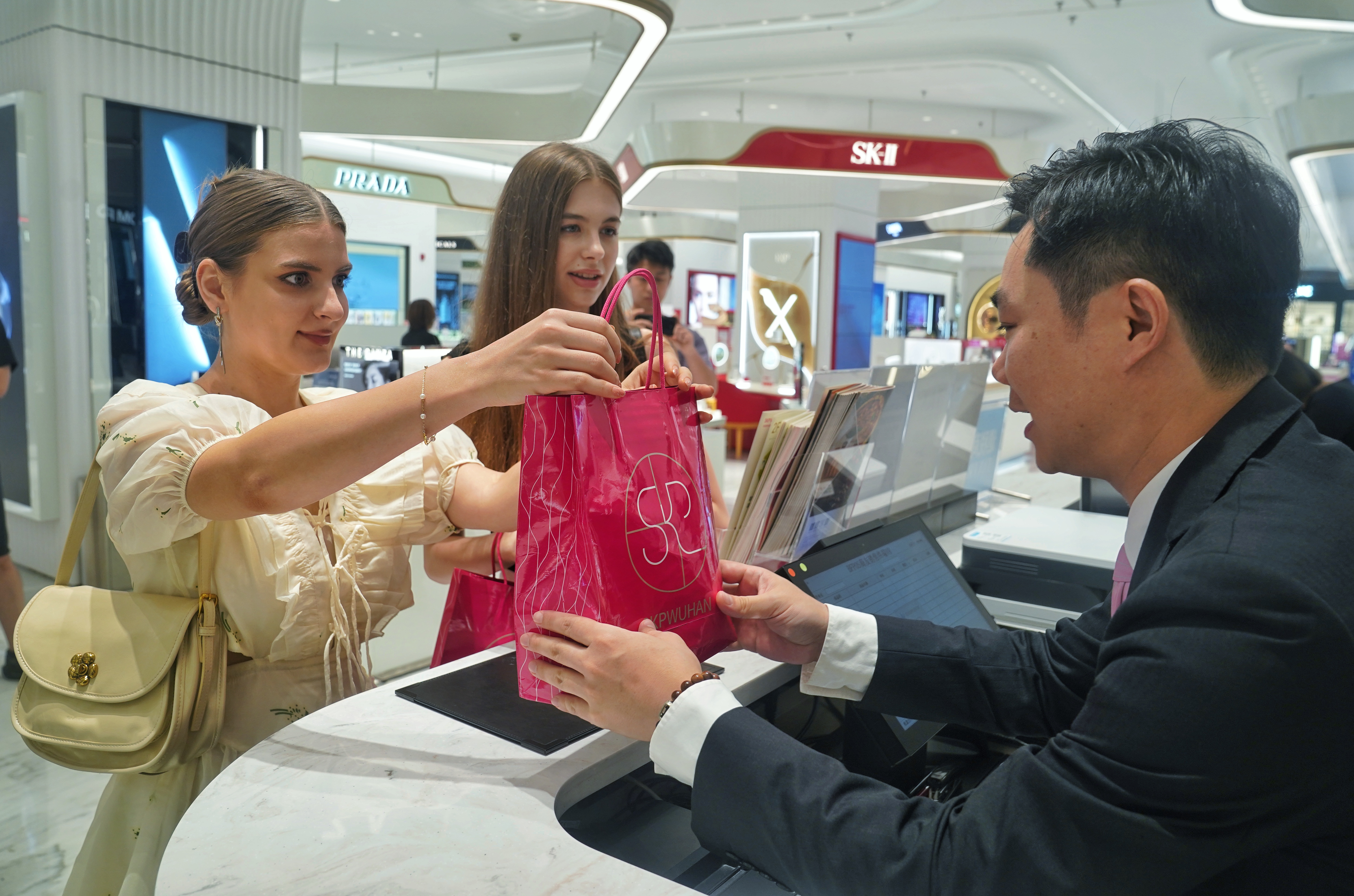
Group 1 - The overseas traveler tax refund policy was officially implemented in Hubei province starting July 1, injecting new vitality into the Wuhan consumer market [1] - On the first day of implementation, stores like Wushang Dream Times and Wuhan SKP successfully completed multiple tax refund transactions [1] - The policy allows overseas travelers to receive a refund of value-added tax (VAT) on eligible purchases made in designated stores before departing from China [4] Group 2 - The tax refund process requires travelers to present their purchased items, identification, VAT invoices, and tax refund application forms at customs before departing [1] - The policy targets foreign travelers and residents from Hong Kong, Macau, and Taiwan who have stayed in mainland China for no more than 183 days [4] - A total of 57 designated tax refund stores have been announced in Hubei province, with 33 located in Wuhan, including major shopping centers [4]
EY安永:2025年免税新纪元:破界重构炽浪突围研究报告
Sou Hu Cai Jing· 2025-04-23 13:23
Core Insights - The report by EY analyzes the duty-free market from both consumer and operator perspectives, highlighting the current state, competitive landscape, and future trends of the industry [1][10]. Group 1: Market Development Trends - The global duty-free market is experiencing robust growth alongside the recovery of the tourism industry, with the Asia-Pacific region being significant but still not fully recovered to pre-pandemic levels, while Europe and the Americas have largely rebounded [1][15]. - The Chinese duty-free market faces challenges due to weakened domestic consumption and outbound consumption diversion, but with supportive policies, it is expected to enter a new phase of prosperity [1][10]. Group 2: Consumer Insights - The global duty-free market saw severe shrinkage during the early pandemic but is gradually recovering, with stable demand for perfumes and cosmetics, which hold a significant market share [2][22]. - In China, luxury goods demand has decreased due to macroeconomic factors, leading to more rational consumer behavior and increased outbound consumption, which has intensified structural adjustments in the duty-free market [2][40]. - Hainan's duty-free market benefits from unique policies, with peak consumption during the Spring Festival, although average spending per customer has shown a slight decline, indicating increased competition and a shift towards value-oriented purchasing [2][44][47]. Group 3: Operator Strategies - The Asia-Pacific region leads the global duty-free market, with China's market share steadily expanding, aided by visa-free transit policies [3][25]. - New regulations for city duty-free stores are invigorating the industry, with companies like China Duty Free Group and Wangfujing actively expanding their presence [3][31]. - Operators are innovating collaboration models with airport duty-free shops to balance interests, while the closure of Haikou has significant implications for the industry, presenting both opportunities and challenges [3][31]. Group 4: Future Outlook - Government policies aimed at boosting consumption and expanding domestic demand are providing favorable conditions for the duty-free industry, which is expected to accelerate transformation through innovative services and models [4][30]. - The recovery of the global tourism market, combined with supportive policies in China, positions the duty-free industry as a vital force for driving growth and stimulating domestic demand [4][30].