马自达3

Search documents
理想i6车主分享:顺路试驾后激情下单,空间大充电方便是优势
车fans· 2026-03-13 00:29
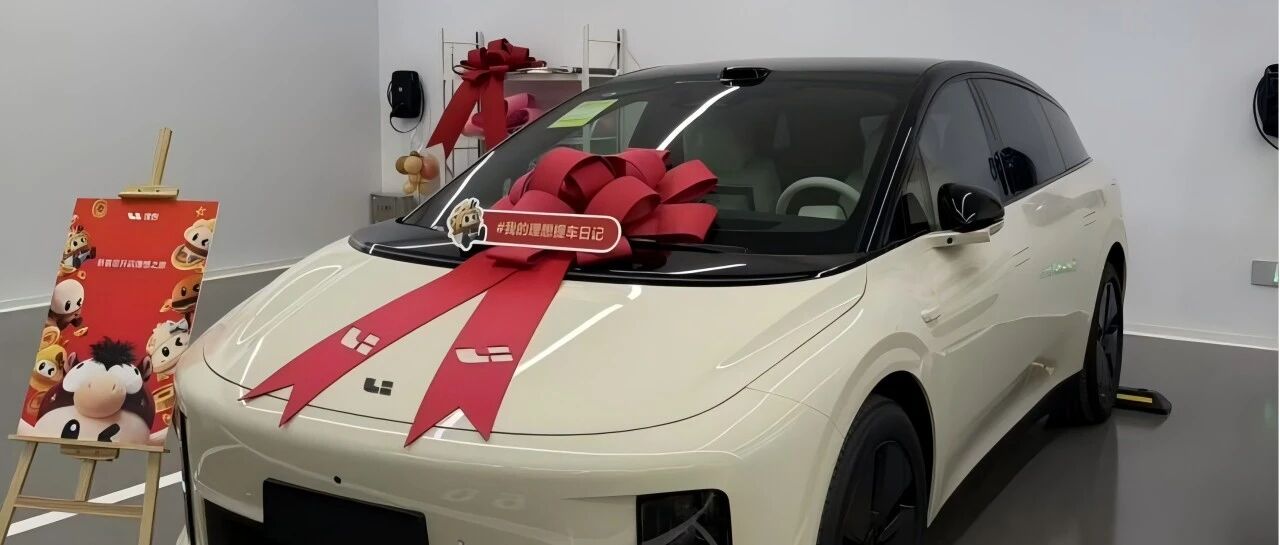
Core Viewpoint - The article presents a detailed account of a car owner's experience in purchasing the Li Auto i6, highlighting the decision-making process, dealership experience, and initial impressions of the vehicle. Purchase Details - The car owner, referred to as Xiao K, purchased the Li Auto i6 two-wheel drive version from the Li Auto retail center in Jinan, Shandong, on February 28, 2026, with a total cost of 251,320 yuan after discounts and fees [2][4]. - The base price of the two-wheel drive version was 239,800 yuan, with additional costs for color and insurance [4]. Comparison with Competitors - The owner compared the Li Auto i6 with competitors such as Avita, Xiaopeng, and the Zhiji LS6, ultimately favoring the i6 due to its superior interior quality and intelligent features [6][8]. - The decision-making process involved test-driving multiple vehicles, with the owner initially leaning towards the Zhiji LS6 before being swayed by the i6's performance and features during a spontaneous visit to the Li Auto retail center [8][9]. Dealership Experience - The sales experience was described as straightforward, with clear communication regarding the vehicle's features and charging capabilities [11][12]. - The owner appreciated the direct sales model of Li Auto, which minimized haggling over prices and included promotional offers such as cash discounts and additional features [12][14]. Delivery Experience - The delivery process faced delays, with the owner initially expecting to receive the vehicle by the end of January but ultimately experiencing a longer wait [14]. - The dealership provided a satisfactory delivery experience, including a small ceremony for new owners and thorough explanations of vehicle features [17]. Vehicle Impressions - Initial impressions of the Li Auto i6 included spaciousness, comfort, and a smooth operating system, with no significant issues reported so far [18]. - However, the owner noted some drawbacks, such as the manual closing of the front trunk and the lack of certain comfort features in the seating [19].


日本车企在扩大美国以外销路,应对高关税常态
日经中文网· 2025-09-21 00:33
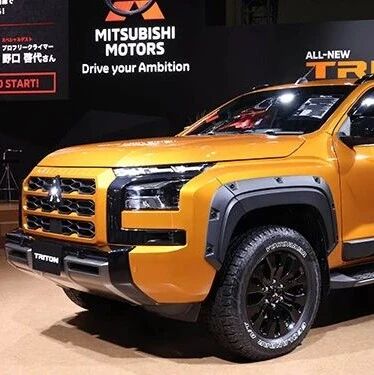
Core Viewpoint - Japanese automakers are expanding their sales outside the U.S. due to the impact of U.S. tariff policies, with Mitsubishi and Mazda adjusting their export strategies to mitigate profit declines from the U.S. market [2][4][5]. Group 1: Tariff Impact - The U.S. government reduced tariffs on Japanese cars from 27.5% to 15%, but this is still significantly higher than the previous 2.5% before spring [4]. - The tariff reduction will have a substantial impact on Mitsubishi, with an estimated loss of 32 billion yen in the fiscal year 2025 [4]. - Japanese automakers are focusing on expanding markets outside the U.S. to compensate for declining profits from U.S. operations [2][4]. Group 2: Mitsubishi's Strategy - Mitsubishi is leveraging its strong brand image in design and off-road performance to enhance profitability in the South American market [5]. - The company has begun exporting vehicles from Brazil to neighboring countries like Argentina, which were previously only sold in Brazil [4][5]. Group 3: Mazda's Adjustments - Mazda is reducing exports of small cars from Mexico to the U.S. due to low profit margins and is redirecting these vehicles to other regions [5][7]. - The company has seen a significant drop in exports to the U.S., with a 57% decrease in "Mazda3" exports and a 37% decrease in "CX-30" exports in August [7]. Group 4: Overall Industry Outlook - Japanese automakers, except Nissan, are projecting profitability for the fiscal year 2025, largely due to the depreciation of the yen [8]. - Companies are enhancing cost competitiveness to maintain profitability even if the exchange rate shifts to 110 yen per dollar [8]. - The automotive market in the U.S. is experiencing price increases, which may lead to a decline in sales, making the expansion into non-U.S. markets critical [8].