驾驶辅助软件

Search documents
马斯克:明年年底将开始向公众销售人形机器人;此前称要将特斯拉转型为机器人公司
Sou Hu Cai Jing· 2026-01-23 02:46
特斯拉CEO马斯克在达沃斯表示,到明年年底,将开始向公众销售人形机器人。 1月19日,据环球网科技援引外媒Futurism报道,在全球汽车销量持续暴跌、驾驶辅助软件深陷监管困境的双重压力下,特斯拉CEO埃隆·马斯 克正急于为公司寻找新出路,而Optimus人形机器人成为其最新执念。马斯克宣称,这款机器人将推动特斯拉转型为估值25万亿美元的机器人 公司,其价值占比将远超现有业务。 去年11月,有报道称,特斯拉正筹备再度扩建得克萨斯超级工厂,拟新建一座专用设施用于其人形机器人Optimus人形机器人的量产,以实现 年产能1000万台的目标。当时的报道显示,Optimus在得州超级工厂的量产时间表仍定于2027年启动。 特斯拉发布的2025年三季度财报显示,公司营收为281亿美元,同比增长12%,创下同期历史新高。然而,净利润为13.73亿美元,同比下降 了37%,运营利润率仅5.8%,创近五年来最低,2024年同期还超过10%。此外,经调整净利润为17.7亿美元,同比下滑29%。 来源:智通财经、智通财经 据第一财经消息,近日,马斯克在一场长达三小时的深度播客访谈中大胆预言:通用人工智能(AGI)2026年便能实 ...



马斯克称推动特斯拉转型为机器人公司,估值将达25万亿美元
Xin Lang Cai Jing· 2026-01-19 10:21
Group 1 - The core viewpoint of the articles highlights Tesla's shift towards robotics, particularly the Optimus humanoid robot, as a new growth avenue amid declining automotive sales and regulatory challenges in driver-assistance software [1][2] - Elon Musk predicts that by 2040, the number of robots will reach "10 billion or more," indicating a significant future reliance on robotics for production and services [2] - Tesla's automotive deliveries for 2025 are projected to be 1.636 million units, reflecting an approximate 8.6% year-over-year decline, marking the first time Tesla's annual electric vehicle sales have been surpassed by Chinese manufacturer BYD [2] Group 2 - Despite ambitious goals, Tesla's target of producing 5,000 units of the Optimus robot by 2025 has not been met, with actual production only reaching several hundred units, and the robots still depend on remote control for operation [3] - Tesla's revenue for Q3 2025 was reported at $28.1 billion, a 12% year-over-year increase, but net profit fell to $1.373 billion, a 37% decline, with an operating margin of only 5.8%, the lowest in five years [3] - Plans are underway for Tesla to expand its Texas Gigafactory to establish a dedicated facility for mass production of the Optimus robot, aiming for an annual production capacity of 10 million units, with mass production expected to start in 2027 [3]
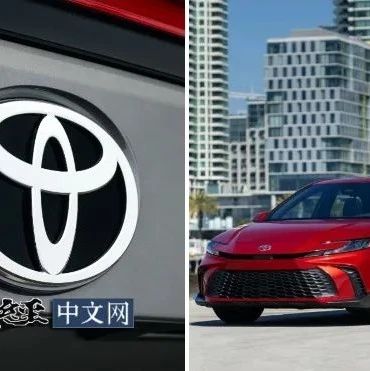
丰田市盈率接近历史最低,远低于比亚迪
日经中文网· 2025-03-21 06:03
Core Viewpoint - Toyota's price-to-earnings ratio (PER) for the fiscal year 2024 is at 7.9 times, close to its lowest level in the past decade, indicating a need for the company to demonstrate concrete strategies to achieve its target of a 20% return on equity (ROE) to attract investors [1][2][3] Group 1 - Toyota's expected consolidated net profit for the fiscal year 2024 is projected to be 4.52 trillion yen, significantly higher than Mitsubishi UFJ Financial Group's 1.75 trillion yen, making it 2.6 times larger [1] - The company has raised wages, including for suppliers, which has contributed to a 510 billion yen decrease in operating profit year-on-year, while costs for electric vehicles (EVs) and software are expected to increase by 320 billion yen [2] - Despite these challenges, net profit is expected to decrease by only 9%, with an operating profit margin maintained at around 10% [2] Group 2 - The low valuation of Toyota is partly due to the unclear roadmap for its transformation into a mobility company, with a focus on increasing ROE to 20% [3] - Analysts suggest that a clear medium- to long-term business plan is necessary to improve investor confidence and valuation [3] - Toyota's global sales for the fiscal year 2024 are expected to reach 10.1 million units, with potential for an additional 1 million units in emerging markets and the U.S. over the next five years, which could lead to a net profit exceeding 6 trillion yen [3] Group 3 - Toyota's price-to-book ratio (PBR) is currently at 0.99, below 1, indicating undervaluation; if the PER were to return to its five-year average of 12.6 times, the stock price could increase by 60% [2] - The company has the capacity for significant stock buybacks and dividends, with a total capital expected to rise to 16 trillion yen, allowing for a 5 trillion yen stock buyback and dividend plan [4] - The increase in shareholder numbers to 940,000 by March 2024 and the introduction of shareholder benefits reflect Toyota's efforts to enhance shareholder value [4]