骁龙8 Elite Gen 6 Pro

Search documents
英特尔任命首席GPU架构师,高通1个月连失三员大将
美股研究社· 2026-02-04 11:21
Core Viewpoint - Intel is focusing on expanding its GPU capabilities by hiring Eric Demmers, a prominent GPU architect from Qualcomm, to lead its GPU production efforts, indicating a strategic shift towards enhancing its data center offerings [4][6][7]. Group 1: Intel's GPU Strategy - Intel's CEO, Pat Gelsinger, announced the hiring of Eric Demmers, a highly regarded GPU architect, to strengthen Intel's GPU team [4]. - Demmers previously led Qualcomm's GPU business and is recognized for his ability to design graphics architectures from scratch, which is expected to significantly enhance Intel's GPU capabilities [6][7]. - Intel's GPU plans are primarily aimed at the data center market, with Demmers reporting to the head of Intel's data center chip division [7]. Group 2: Industry Challenges - A current shortage of storage chips is identified as a major challenge for AI development, with supply-demand imbalances expected to persist until 2028 [8]. - Qualcomm has recently lost two key CPU architects, Gerard Williams III and John Bruno, who were instrumental in the development of custom CPU designs for the company [8][9]. - Williams and Bruno, founders of NUVIA, played a crucial role in Qualcomm's efforts to revitalize its presence in the PC and server markets [9].


手机芯片,大战开打
半导体行业观察· 2026-01-21 01:23
Core Insights - TSMC's 2nm process is in high demand, with estimated tape-out volumes 1.5 times that of the 3nm process, attracting companies like Apple, Qualcomm, and MediaTek to secure supply for competitive advantage this year [1] - Despite the advancements in chip technology, consumer interest in smaller process nodes is waning, leading companies to pivot towards architecture improvements and increased memory cache as key strategies [1][2] - Apple has reportedly secured over half of TSMC's initial 2nm capacity, while Qualcomm and MediaTek are also vying for the enhanced 2nm "N2P" process to gain an edge in wafer shipments and CPU frequency [1][4] Group 1 - TSMC is expected to cancel Apple's priority status as its largest customer due to the rise of AI, with TSMC's revenue increasingly coming from different sectors [3][4] - Analysts note that while flagship devices drive industry growth, consumers are now more focused on actual user experience rather than just annual specification upgrades [2] - TSMC is facing supply constraints for 2nm wafers, leading to price increases for advanced process technologies starting in 2026, with the estimated price for Apple's A20 SoC being $280 [6] Group 2 - Apple's A19 Pro chip showcased significant architecture improvements, achieving a performance increase of 29% with minimal power consumption [2] - The competitive landscape is shifting, with companies like MediaTek's Dimensity 9500s surpassing Snapdragon 8 Gen 5 by utilizing a 19MB CPU cache [2] - TSMC's CEO has reportedly informed Apple of a significant price increase, marking the largest in recent years, indicating a shift in the dynamics of their partnership [4]


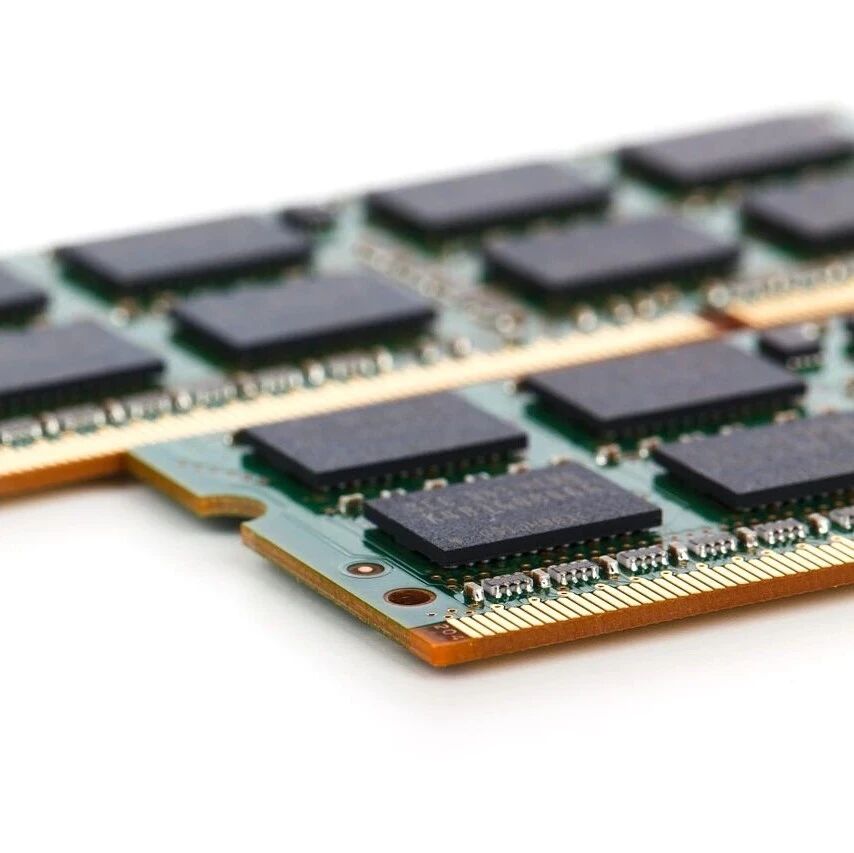
DDR5内存价格,高得离谱
半导体行业观察· 2026-01-13 01:34
Core Viewpoint - The price of DDR5 memory is continuously rising, driven by increasing demand in the artificial intelligence sector, with prices in the Korean market reaching up to $500 for a single memory stick and even higher for entry-level kits [1][2]. Group 1: Memory Price Trends - In the Korean market, a 16GB DDR5-5600 memory stick is priced around 270-300 USD, while a 32GB DDR5-5600 kit ranges from 450-500 USD [1]. - Entry-level memory kits supporting Intel XMP and AMD EXPO are priced between 500 to 650 USD, significantly higher than a few months ago when similar kits could be purchased for much less [2]. - The U.S. market is expected to see a significant price increase, with an average rise of 30% anticipated within a month, aligning with industry expectations [2]. Group 2: Impact on Smartphone Manufacturing - The BOM cost for smartphones is projected to increase by 25% by 2026 due to skyrocketing DRAM prices, with mobile LPDDR RAM prices rising over 70% and NAND flash prices doubling [5]. - Memory costs have risen from 10-15% of total smartphone manufacturing costs to 20%, impacting manufacturers who may need to reduce specifications or pass costs onto consumers [6][7]. - Major companies, including Apple, are facing challenges due to DRAM shortages, with reports of executives negotiating directly with manufacturers to secure supplies [5][7]. Group 3: Long-term Outlook - The memory shortage is expected to persist until at least Q4 2027, indicating a prolonged period of high prices and supply constraints [7].