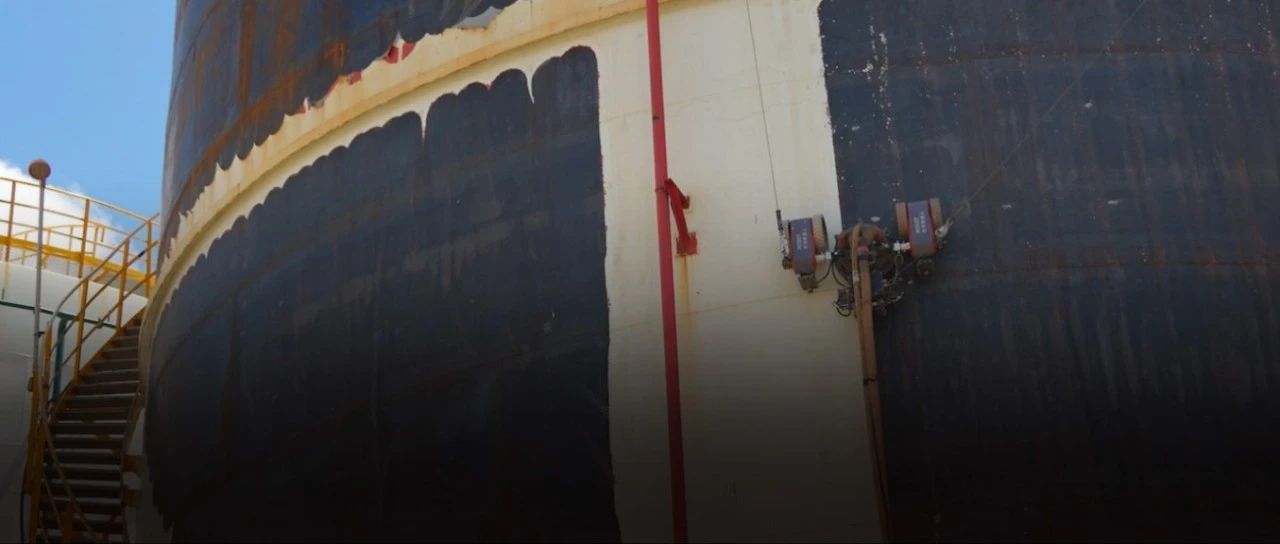
高空机器人

Search documents
广东外贸突破9万亿
21世纪经济报道· 2026-01-27 02:53
Core Viewpoint - Guangdong's manufacturing sector is expanding globally, with a focus on high-quality and high-tech exports, aiming for a 3% growth in total import and export volume in 2026 [2][6][11] Group 1: Export Growth and Market Expansion - Guangdong's foreign trade is projected to grow by 4.4% in 2025, maintaining its position as the largest in China, contributing 24.1% to national trade growth [2][5] - Companies in Guangdong are optimistic about the export outlook for 2026, focusing on stabilizing scale, optimizing structure, and improving quality [2][5] - In 2025, Guangdong's exports of high-tech products exceeded 1.14 trillion yuan, marking a 15% increase, with key products like lithium batteries and medical devices leading the way [6][11] Group 2: Market Diversification and New Opportunities - Guangdong is diversifying its market reach, with significant growth in exports to emerging markets, including a 5% increase in trade with Belt and Road countries [5][6] - The province's trade with ASEAN, Hong Kong, and the EU surpassed 1 trillion yuan each in 2025, with growth rates of 5.8%, 12.5%, and 8.4% respectively [5][6] - Companies are actively exploring new markets, particularly in the Middle East and regions with high labor costs, with some reporting over 60% growth in sales [5][11] Group 3: Policy Support and Strategic Initiatives - The Guangdong government emphasizes the importance of stable foreign trade and plans to enhance trade promotion platforms, including the Canton Fair [7][11] - Policies are being implemented to support the development of service trade, with a target of 12.5% growth in 2025, focusing on digital trade and integrated solutions [9][10] - The establishment of a comprehensive overseas service system aims to nurture more multinational companies headquartered in Guangdong [10][11] Group 4: Challenges and Future Outlook - Despite optimism, some companies express caution due to uncertainties in overseas markets and increased competition [11] - The Guangdong government is promoting brand building and sustainable business practices to enhance competitiveness in global markets [11] - The transition towards high-quality exports is seen as a new paradigm, with a focus on institutional guidance, technological empowerment, and global layout [11]

中国史河、美国Gecko两家头部均获数亿投资,高空机器人加速驶入千亿快车道
机器人大讲堂· 2025-07-18 01:59
Core Viewpoint - The high-altitude robotics sector is experiencing a significant surge in interest and investment, driven by its ability to address critical industry pain points and its vast economic potential, with projections indicating a market size growth from $8.364 billion in 2023 to over $57.206 billion by 2033, reflecting a compound annual growth rate of approximately 21.2% [5][10]. Group 1: Market Dynamics - The global high-altitude robotics market is led by two major companies: Gecko Robotics in the US and Shihe Robotics in China, both of which have recently secured substantial funding, indicating strong investor confidence in this sector [2][4]. - Gecko Robotics has achieved a post-funding valuation of nearly $1.25 billion, doubling its valuation compared to 2024, and is recognized as a potential unicorn in the high-altitude robotics space [2]. - Shihe Robotics has also become a prominent player in the Asia-Pacific region, having raised significant funds and attracting investments from industry players like Zhejiang Energy Group [4]. Group 2: Industry Applications - High-altitude robots are applicable in both industrial and civil scenarios, including ship rust removal, chemical corrosion prevention, power plant inspections, and building facade cleaning, with industrial applications being more standardized and civil applications offering larger market potential [10]. - The global market for ship painting is approximately $42 billion annually, while the chemical corrosion prevention market is around $34 billion, and the energy sector's infrastructure maintenance market exceeds $27 billion [10]. Group 3: Technological Advancements - High-altitude robots combine mobility, adhesion, and operational capabilities, expanding the scope of mobile robotics into vertical spaces, thus addressing safety and efficiency challenges in high-risk work environments [8][12]. - Recent technological advancements in AI, machine learning, and autonomous systems have enhanced the capabilities and efficiency of high-altitude work platforms, leading to increased adoption across various industries [12]. Group 4: Investment Trends - The influx of capital into the high-altitude robotics sector is driven by the need for safer work environments, particularly in light of stringent safety regulations and the growing emphasis on ESG (Environmental, Social, and Governance) principles [12]. - The rise of flexible business models like "Robots as a Service" (RaaS) has lowered the barriers for customer adoption, making high-altitude robots an attractive investment opportunity [12]. Group 5: Competitive Landscape - The competitive landscape is characterized by a "Matthew Effect," where leading companies are consolidating their market positions, creating higher barriers to entry for new players [14]. - Gecko Robotics focuses on infrastructure inspection services, with a significant portion of its revenue derived from these services, while Shihe Robotics has developed a comprehensive product matrix and holds a market share exceeding 70% in key product categories [14][17]. Group 6: Future Outlook - The successful financing and rapid growth of Gecko Robotics and Shihe Robotics illustrate a clear path for industry upgrade, leveraging innovative technologies to enhance safety and efficiency in high-risk operations [21]. - As the sector evolves, high-altitude robots are expected to play a crucial role in driving traditional industries towards automation and smart operations, marking a shift from manual labor to intelligent solutions [21].

千亿高空机器人赛道迎来爆发:史河机器人完成B+++++轮融资,Gecko Robotics完成D轮融资
36氪· 2025-07-17 10:04
Core Viewpoint - The article highlights the emerging market for aerial robots, particularly in the shipbuilding and industrial sectors, emphasizing their potential to enhance efficiency and safety in high-altitude operations [1][2][3]. Market Overview - The penetration rate of aerial robots in the domestic shipbuilding industry has reached 20%, indicating a turning point for large-scale application [3]. - Gecko Robotics, a company in the U.S., completed a $125 million Series D funding round, achieving a post-money valuation of $1.25 billion, while China's leading company in this field, Shihe Robotics, has also secured significant funding [3][5]. Industry Background - The concept of "aerial robots" was not recognized until Shihe Robotics was founded in 2015, as the market for vertical operation robots was virtually non-existent [5]. - The International Federation of Robotics (IFR) classifies mobile robots into four categories based on their operating environment, with aerial robots being a critical yet underdeveloped segment [5]. Necessity and Benefits - Aerial robots are essential for replacing human labor in dangerous, difficult, dirty, and dull (4D) tasks, particularly in high-altitude operations [6][7]. - High-altitude work has historically been labor-intensive, leading to inefficiencies and safety risks, with falls accounting for over 54% of construction accidents [7]. Structural Changes in Shipbuilding - The shipbuilding industry is experiencing a structural shift due to increasing penetration of aerial robots, driven by environmental policies and labor shortages [8][9]. - Aerial robots can enhance operational efficiency by 6-8 times compared to manual labor and reduce dock time by 20%-30% [8]. Technological Advancements - Aerial robots face higher technical barriers than ground robots, requiring advancements in magnetic adhesion and joint motor technologies [14]. - Recent improvements in magnetic materials and joint motors have significantly enhanced the performance and stability of aerial robots [14][15]. Market Expansion Potential - The chemical industry is expected to replicate the rapid adoption of aerial robots seen in the shipbuilding sector due to similar operational challenges and high demand for safety [15][17]. - The energy sector also presents long-term potential for aerial robots, particularly in maintenance and inspection tasks [17]. Future Trends - The integration of AI and data analytics into aerial robots is anticipated to enhance their capabilities, transforming them from hardware providers to solution providers [20][22]. - Shihe Robotics is transitioning from a product-focused company to a solution provider, expanding its applications and geographical reach [24][26]. Conclusion - The aerial robot industry is poised for significant growth, driven by technological advancements, market needs, and the potential for improved return on investment [18][26].