高级车载娱乐服务包

Search documents
OTA“暂停”一年,车企的饼画不下去了
汽车商业评论· 2026-02-09 23:05
Core Insights - The article discusses the evolving landscape of Over-The-Air (OTA) updates in the automotive industry, highlighting a shift from rapid growth to a more regulated and structured approach due to increased government oversight [4][7][9]. Group 1: OTA Market Trends - In 2024, 92 brands are expected to conduct 751 OTA updates, while in 2025, the number of brands will decrease to 85, with 792 updates, indicating a consolidation in the market despite the rise of smart vehicles [4]. - The first half of 2025 is characterized as a policy adaptation period with low OTA activity, while the second half sees a surge, particularly in December, where 133 brands are active, marking the peak of the year [6][7]. - By 2025, domestic brands account for 78% of OTA activities, with an average of over 12 brands pushing updates monthly, reflecting a 50% year-on-year increase [10]. Group 2: Regulatory Impact - In 2025, multiple regulatory announcements from the Ministry of Industry and Information Technology and the State Administration for Market Regulation aim to standardize OTA updates, requiring companies to register their OTA activities and ensure compliance with national standards [9]. - The increased regulatory scrutiny has led to a temporary decline in OTA activity as companies focus on compliance restructuring and internal process adjustments [9][10]. Group 3: Technological Advancements - The article notes a significant increase in the number of AI-related features introduced via OTA, with 276 AI functionalities launched in 2025, indicating a shift towards more advanced user experiences [20]. - The growth in smart cockpit features outpaces that of smart driving, with a 39.3% increase in cockpit functionalities compared to a 10% increase in driving features, suggesting a focus on enhancing user interaction [18]. Group 4: Monetization of OTA - The trend of charging for OTA updates is emerging, with various brands introducing paid features, such as Tesla's subscription model for entertainment services, marking a shift from previously free offerings [26][31]. - By 2025, over 30 paid OTA features are reported, with hardware upgrades becoming a significant revenue source for companies [26][28]. Group 5: Future Outlook - Looking ahead to 2026, the article identifies three key trends: the drive for OTA technology innovation through large models, the integration of vehicles into a broader IoT ecosystem, and the evolution of vehicles into "intelligent agents" capable of continuous learning and adaptation [34][36]. - The competition will increasingly focus on the comprehensive capabilities of companies, including software lifecycle management, continuous delivery, and deep user insights [36].



特斯拉提交新专利:将Starlink接收器嵌入天窗,绕过网络运营商
Hua Er Jie Jian Wen· 2025-12-21 05:06
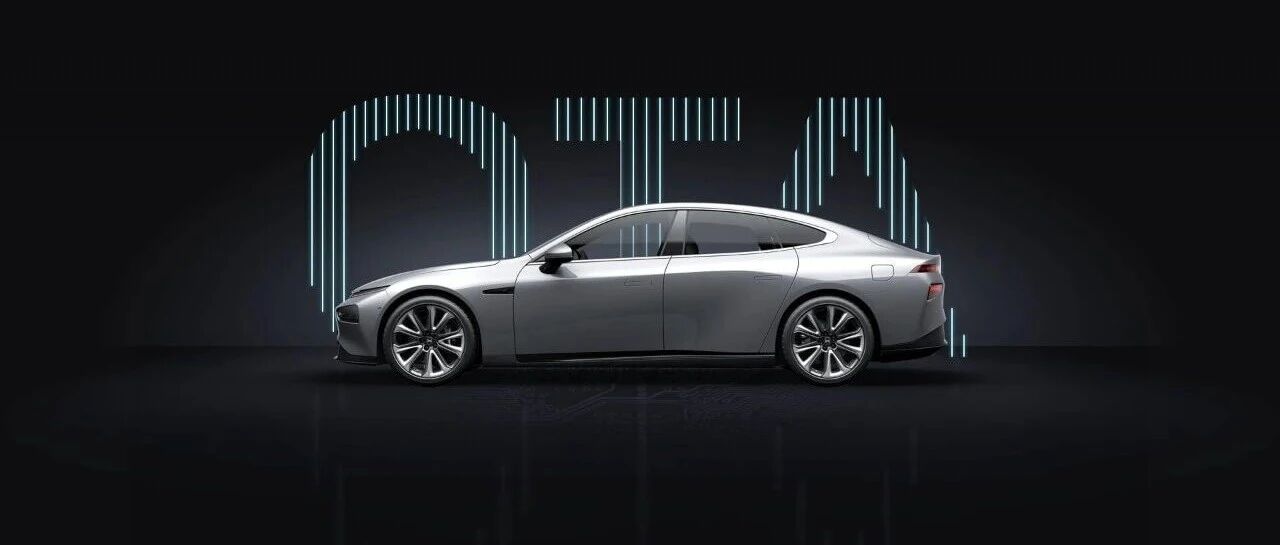
Core Insights - Tesla is developing a new technology to integrate Starlink antennas directly into vehicle roofs, which could significantly change the way electric vehicles connect to the internet and optimize costs [1][2]. Group 1: Patent Details - The recent patent application outlines a roof component that is highly transparent to radio frequencies, allowing satellite signals to penetrate effectively [1]. - The design enables Tesla vehicles to connect directly to the Starlink system for high-speed internet, reducing reliance on third-party cellular network providers like AT&T [1]. - The patent specifies that the antenna system will be fully embedded in the roof structure, avoiding the complexities and aesthetic issues associated with external devices [2]. Group 2: Cost Structure Optimization - The primary motivation behind Tesla's satellite communication integration is cost control, as the company currently pays third-party mobile operators for Premium Connectivity services [8]. - Although the cost savings per vehicle may seem limited, reducing recurring expenses will have a cumulative positive impact on Tesla's profit margins, especially for large-scale subscription services [8]. - This initiative aligns with Elon Musk's long-term strategy of vertical integration, aiming to reduce dependence on external suppliers by controlling more aspects of the value chain [8]. Group 3: Early User Applications - Some Tesla owners have already begun using temporary installations of Starlink Mini devices to provide high-speed satellite internet in areas with weak cellular coverage [9]. - User feedback indicates that satellite connectivity performs significantly better than traditional mobile networks in remote locations [9].