高蛋白

Search documents
安全食报:为什么胖东来、山姆越火,食品品牌却越焦虑?
Sou Hu Cai Jing· 2026-02-01 19:05
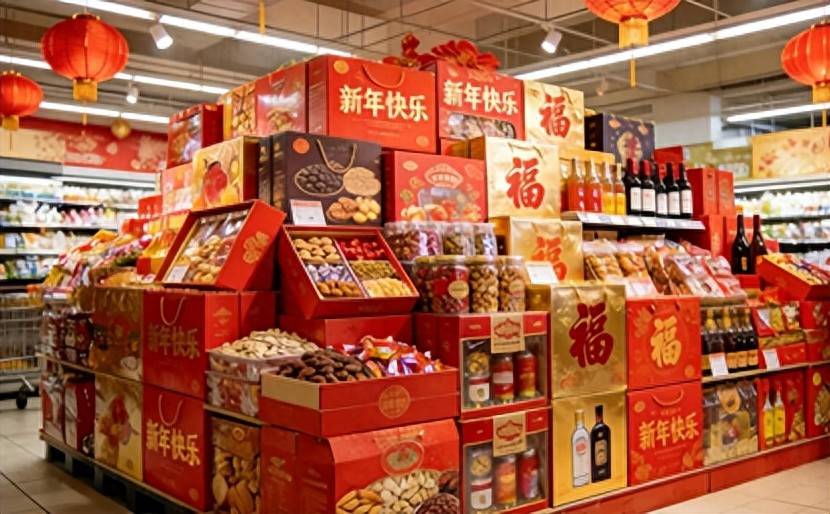
Core Insights - The essence of the New Year gift boxes is shifting from traditional ceremonial consumption to a focus on intrinsic product value, as consumers demand more than just attractive packaging and compelling stories [2][4] - Brands must provide solid reasons for consumers to choose their products, leading to a competition that emphasizes product innovation and "hard currency" value [6] Product Innovation Trends - The first key transformation is the extreme precision of "functional value," where products must clearly address specific consumer needs, exemplified by Danone's targeted offerings for GLP-1 drug users [6][8] - The second transformation involves AI reconstructing flavor and experience, as seen in Genki Forest's use of AI for over 500 flavor iterations to enhance product appeal [8][10] - The third transformation is the modernization of "food as medicine," with brands like Dong'e Ejiao offering convenient, ready-to-eat products that fit modern lifestyles [10][12] - The fourth transformation focuses on "value traceability" in the supply chain, where brands with superior raw materials and quality control gain competitive advantage, as demonstrated by premium chocolate brands [12][14] Market Dynamics - The traditional marketing strategies are failing, necessitating a return to physical experiences to build consumer trust, as evidenced by the popularity of membership-based supermarkets like PDD and Sam's Club [14][15] - Successful brands are now prioritizing in-person experiences to establish trust and validate their products before mass production [15][16] Consensus Building - Brands are exploring efficient ways to validate their concepts, such as participating in industry exhibitions to gather feedback and insights from professionals [20][22] - The contrasting approaches of brands like Daily Black Chocolate and Zhongke Muzhen highlight the importance of consensus building before product launch, ensuring that products enter the market with validated consumer interest [22][23] Role of Industry Exhibitions - Industry exhibitions serve as critical platforms for brands to verify trends, calibrate value, and establish trust, enabling them to gather concentrated information and insights in a short time [26][28] - These events facilitate deep connections between brands and potential partners, significantly reducing risks associated with cross-border trade and enhancing supply chain capabilities [30]

河北省赤城县 有机农业振兴 协同生态发展双赢
Jing Ji Ri Bao· 2026-01-23 22:22
Core Insights - Hebei Chicheng County is focusing on a balanced approach of "protection and development," emphasizing high-quality organic agriculture while ensuring ecological protection in the Miyun Reservoir basin [1] Group 1: Organic Agriculture Development - Chicheng County has established a subsidy policy for organic agriculture, allocating special funds for organic certification transition, which has boosted confidence among major growers along the Heihe and Baihe rivers, leading to an increase in organic planting area to over 14,000 acres [1] - The county promotes ecological planting techniques such as green pest control and organic fertilizer substitution to enhance ecological safety in the Chaobai River water source conservation area [1] Group 2: Resource Utilization and Industry Planning - A third-party organization conducted soil and water source testing, revealing balanced soil fertility and rich trace elements, which supports the development of organic and functional agriculture [2] - Chicheng County is collaborating with the Chinese Academy of Agricultural Sciences to analyze the functional value of selenium-rich agricultural products and is optimizing its organic industry development plan with the Beijing Aikesail Certification Center [2] Group 3: Business Development and Support - The county has successfully cultivated nine organic planting and processing entities, ranking high in Hebei Province, through policy support and precise services [2] - A communication mechanism has been established to address enterprise needs, facilitating collaborations that lead to the development of high-protein, selenium-rich corn and overcoming sales bottlenecks for local companies [2] Group 4: Investment and Industry Integration - Chicheng County is forming stable partnerships with organizations like Beijing Aikesail Certification Center and Beijing Sancan Four Seasons Group to enhance the organic agriculture industry through comprehensive cooperation [3] - Plans are in place to expand organic agriculture to 30,000 acres by 2026, with a long-term goal of reaching 50,000 acres, which aligns with ecological protection and aims to enhance agricultural quality and farmer income [3]
为什么胖东来、山姆越火,食品品牌却越焦虑?
首席商业评论· 2026-01-22 04:52
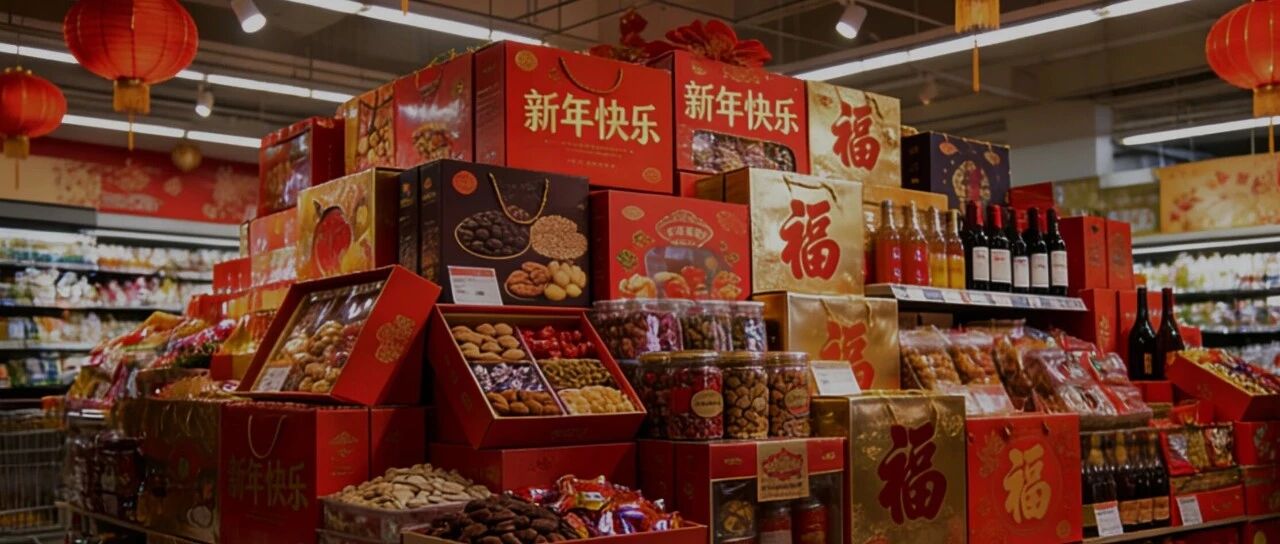
Core Insights - The article discusses the evolving landscape of consumer behavior regarding traditional New Year gift boxes, highlighting a shift towards more rational purchasing decisions as consumers prioritize product value over packaging and marketing narratives [2][3]. Group 1: Shifts in Consumer Behavior - The essence of New Year gift boxes is rooted in ceremonial consumption, representing emotional, social, and cultural values, but consumers are increasingly questioning the intrinsic value of these products beyond their festive symbolism [3]. - Consumers are gravitating towards membership-based supermarkets like Pinduoduo and Sam's Club, indicating a preference for self-branded products that offer perceived value [2]. Group 2: Product Innovation Trends - Brands must provide compelling reasons for consumers to choose their products, leading to a focus on deep product innovation rather than superficial marketing [5]. - The first key transformation is the precise definition of "functional value," where products must clearly address specific consumer needs, exemplified by Danone's targeted offerings for GLP-1 drug users [5][6]. - The second transformation involves AI-driven flavor and experience reconstruction, as seen in Genki Forest's use of AI for over 500 flavor iterations to enhance product appeal [10]. - The third transformation is the modernization of "food as medicine," with brands like Dong'e Ejiao offering convenient, ready-to-eat products that fit contemporary lifestyles [12]. - The fourth transformation focuses on value sourcing from the supply chain, where brands that control high-quality raw materials and production processes gain a competitive edge [14]. Group 3: Market Trust and Experience - As product innovation becomes a necessity, brands face the challenge of gaining market visibility and trust in a fragmented information landscape [16]. - Successful brands are returning to physical spaces to create tangible experiences that foster consumer trust, as demonstrated by the popularity of membership stores [16]. - The concept of "consensus pre-sale" is emerging, where brands validate their products through community engagement or industry exhibitions before market launch, ensuring they enter the market with established consumer trust [25][26]. Group 4: The Role of Industry Exhibitions - Industry exhibitions serve as critical platforms for brands to validate trends, calibrate value, and build trust, allowing companies to quickly gather insights and feedback from industry peers and consumers [29]. - Exhibitions facilitate rapid trust-building through direct interactions, which are essential for establishing commercial partnerships and reducing risks in cross-border trade [33]. - New brands leverage exhibitions to connect with potential partners and streamline their innovation processes, enhancing their ability to bring products to market effectively [33].
告别体重拉锯战!Nature权威解读:拆穿减肥“反弹”真相,四大实用策略出击
GLP1减重宝典· 2025-12-30 14:46
Core Viewpoint - The article focuses on individuals who successfully lose weight through lifestyle changes but experience weight regain, highlighting the challenges of long-term obesity management and effective strategies to prevent weight rebound [7][9]. Summary by Sections Weight Regain Challenges - A systematic review and meta-analysis indicate that approximately 75% of individuals who lose an average of 14 kg through lifestyle interventions will regain weight within about five years [7]. - Weight rebound is not limited to those who undergo lifestyle changes; individuals who have weight loss surgery or stop medication also face similar challenges [7]. Mechanisms Behind Weight Regain - Research shows that macrophages in adipose tissue produce elevated levels of lipopolysaccharides and inflammatory cytokines, contributing to a "fat memory" that increases the risk of weight regain [9]. - A 2023 study from Yale University found that obese individuals have a diminished brain response to nutritional stimuli, which may be a key factor in weight rebound after successful weight loss [9]. Strategies to Reduce Weight Rebound Risk 1. **Dietary Adjustments** - High-protein, low glycemic index (GI), or low glycemic load diets can help reduce the risk of weight rebound. Anti-inflammatory dietary patterns are also recommended [11]. 2. **Increased Physical Activity** - Regular exercise improves leptin sensitivity, enhances sympathetic nervous activity, reduces hunger, and promotes fat oxidation, which aids in maintaining weight loss [12]. 3. **Pharmacological and Biomedical Interventions** - In addition to diet and exercise, pharmacological treatments and other biomedical methods are suggested to prevent weight regain by reducing fat tissue mass [13]. 4. **Individualized Management and Ongoing Research** - Weight rebound is influenced by multiple factors, necessitating further scientific research to explore more effective long-term management strategies tailored to different populations [14].