
高纤维

Search documents
安全食报:为什么胖东来、山姆越火,食品品牌却越焦虑?
Sou Hu Cai Jing· 2026-02-01 19:05
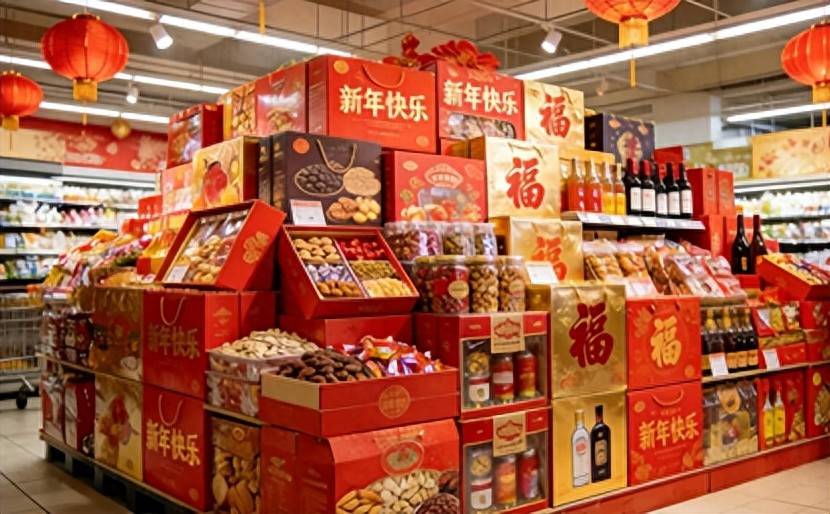
Core Insights - The essence of the New Year gift boxes is shifting from traditional ceremonial consumption to a focus on intrinsic product value, as consumers demand more than just attractive packaging and compelling stories [2][4] - Brands must provide solid reasons for consumers to choose their products, leading to a competition that emphasizes product innovation and "hard currency" value [6] Product Innovation Trends - The first key transformation is the extreme precision of "functional value," where products must clearly address specific consumer needs, exemplified by Danone's targeted offerings for GLP-1 drug users [6][8] - The second transformation involves AI reconstructing flavor and experience, as seen in Genki Forest's use of AI for over 500 flavor iterations to enhance product appeal [8][10] - The third transformation is the modernization of "food as medicine," with brands like Dong'e Ejiao offering convenient, ready-to-eat products that fit modern lifestyles [10][12] - The fourth transformation focuses on "value traceability" in the supply chain, where brands with superior raw materials and quality control gain competitive advantage, as demonstrated by premium chocolate brands [12][14] Market Dynamics - The traditional marketing strategies are failing, necessitating a return to physical experiences to build consumer trust, as evidenced by the popularity of membership-based supermarkets like PDD and Sam's Club [14][15] - Successful brands are now prioritizing in-person experiences to establish trust and validate their products before mass production [15][16] Consensus Building - Brands are exploring efficient ways to validate their concepts, such as participating in industry exhibitions to gather feedback and insights from professionals [20][22] - The contrasting approaches of brands like Daily Black Chocolate and Zhongke Muzhen highlight the importance of consensus building before product launch, ensuring that products enter the market with validated consumer interest [22][23] Role of Industry Exhibitions - Industry exhibitions serve as critical platforms for brands to verify trends, calibrate value, and establish trust, enabling them to gather concentrated information and insights in a short time [26][28] - These events facilitate deep connections between brands and potential partners, significantly reducing risks associated with cross-border trade and enhancing supply chain capabilities [30]

为什么胖东来、山姆越火,食品品牌却越焦虑?
首席商业评论· 2026-01-22 04:52
Core Insights - The article discusses the evolving landscape of consumer behavior regarding traditional New Year gift boxes, highlighting a shift towards more rational purchasing decisions as consumers prioritize product value over packaging and marketing narratives [2][3]. Group 1: Shifts in Consumer Behavior - The essence of New Year gift boxes is rooted in ceremonial consumption, representing emotional, social, and cultural values, but consumers are increasingly questioning the intrinsic value of these products beyond their festive symbolism [3]. - Consumers are gravitating towards membership-based supermarkets like Pinduoduo and Sam's Club, indicating a preference for self-branded products that offer perceived value [2]. Group 2: Product Innovation Trends - Brands must provide compelling reasons for consumers to choose their products, leading to a focus on deep product innovation rather than superficial marketing [5]. - The first key transformation is the precise definition of "functional value," where products must clearly address specific consumer needs, exemplified by Danone's targeted offerings for GLP-1 drug users [5][6]. - The second transformation involves AI-driven flavor and experience reconstruction, as seen in Genki Forest's use of AI for over 500 flavor iterations to enhance product appeal [10]. - The third transformation is the modernization of "food as medicine," with brands like Dong'e Ejiao offering convenient, ready-to-eat products that fit contemporary lifestyles [12]. - The fourth transformation focuses on value sourcing from the supply chain, where brands that control high-quality raw materials and production processes gain a competitive edge [14]. Group 3: Market Trust and Experience - As product innovation becomes a necessity, brands face the challenge of gaining market visibility and trust in a fragmented information landscape [16]. - Successful brands are returning to physical spaces to create tangible experiences that foster consumer trust, as demonstrated by the popularity of membership stores [16]. - The concept of "consensus pre-sale" is emerging, where brands validate their products through community engagement or industry exhibitions before market launch, ensuring they enter the market with established consumer trust [25][26]. Group 4: The Role of Industry Exhibitions - Industry exhibitions serve as critical platforms for brands to validate trends, calibrate value, and build trust, allowing companies to quickly gather insights and feedback from industry peers and consumers [29]. - Exhibitions facilitate rapid trust-building through direct interactions, which are essential for establishing commercial partnerships and reducing risks in cross-border trade [33]. - New brands leverage exhibitions to connect with potential partners and streamline their innovation processes, enhancing their ability to bring products to market effectively [33].
又要好吃又要“低负担”,零食品牌们越来越难“对付”新一代消费者
Di Yi Cai Jing· 2025-05-23 11:46
Core Insights - The snack food industry is facing challenges in balancing taste and health, especially in the post-pandemic era where consumer demands have evolved to seek both enjoyment and health benefits [1][2] Industry Trends - The National Health Commission of China is implementing a three-year action plan for "weight management," promoting healthy lifestyles and pushing the food industry towards "light burden" products [1] - According to Mondelez International's 2024 Global Snack Status Report, 73% of consumers prefer a small portion of enjoyable snacks over a large portion of low-fat or low-sugar alternatives [1] Consumer Behavior - Post-pandemic, consumers have higher expectations for quality, branding, and pricing in snack products, as noted by Hormel's Asia Pacific President, Gu Haijiang [1] - The emotional value of snacks has become a significant consumer demand, with brands innovating flavors to meet these needs [1][2] Product Innovation - Brands are exploring new flavors and healthier options, such as Hormel's chicken-based lunch meat, which is lower in fat and higher in protein compared to traditional pork products [2] - The founder of Shiyanshi emphasizes that health and taste can coexist, with a focus on high-fiber and high-protein snacks becoming industry standards [2]
