鱼叉反舰导弹

Search documents
韩国海军首艘潜艇“张保皋”号退役
Xin Lang Cai Jing· 2025-12-31 12:42
Core Viewpoint - The retirement of South Korea's first submarine, "Chang Bo Go," marks the end of its 32-year service, symbolizing a significant milestone in the development of South Korea's naval capabilities [1][3]. Group 1: Retirement Ceremony - The retirement ceremony for "Chang Bo Go" was held on December 29, attended by approximately 300 personnel, including high-ranking naval officials [3]. - The submarine has completed a total of 12,089 days in service since its commissioning in 1993, with 3,117 days spent underwater and a total sailing distance of 342,120 nautical miles [3][5]. Group 2: Historical Significance - "Chang Bo Go" was built by Germany's HDW shipyard and is classified as a Type 209-1200 submarine, with a displacement of 1,300 tons, a length of 56 meters, and a maximum underwater speed of 22 knots [7]. - The introduction of the "Chang Bo Go" class submarines allowed South Korea to enhance its naval capabilities against North Korea's fleet, facilitating more frequent joint exercises with the U.S. Navy [9]. Group 3: Future Prospects - There are discussions about potentially preserving "Chang Bo Go" as a museum exhibit, allowing public access to the submarine [12]. - The submarine was initially intended to be gifted to the Polish Navy for training purposes, but negotiations have stalled due to high maintenance costs and Poland's selection of a different submarine model [12].


中方反制美20家军工企业
Xin Lang Cai Jing· 2025-12-27 02:13
Group 1 - The Chinese government has announced countermeasures against 20 U.S. military-related companies and 10 senior executives in response to the U.S. selling weapons to Taiwan, emphasizing that Taiwan is a core interest of China and any provocation will be met with strong retaliation [1][2] - The U.S. recently announced a significant arms sale to Taiwan valued at $11.1 billion, which includes $4 billion for 82 units of the HIMARS rocket systems and $4 billion for 60 self-propelled howitzers, marking the largest arms sale to Taiwan by the U.S. [2] - Companies affected by the sanctions include Northrop Grumman, known for developing stealth bombers and advanced missile systems, and Boeing's St. Louis division, which produces F-15 fighter jets and other military equipment [2][3] Group 2 - L3 Harris Maritime Services, another company under sanctions, provides technical services and logistics support to the U.S. Navy, including underwater combat systems and maritime engineering [3] - The sanctions involve freezing assets within China and prohibiting transactions with the listed companies and individuals, as well as denying visas and entry to the affected executives [1][2]


中方反制美国20家军工企业及10名高管,敦促美方停止破坏台海和平稳定
Xin Lang Cai Jing· 2025-12-26 23:06
Group 1 - The Chinese government has announced countermeasures against 20 U.S. military-related companies and 10 senior executives in response to the U.S. decision to sell weapons to Taiwan [1][2] - The U.S. arms sale to Taiwan is valued at $11.1 billion, including $4 billion for 82 units of the HIMARS rocket system and $4 billion for 60 self-propelled howitzers, marking the largest arms sale to Taiwan by the U.S. [2] - Companies affected by the sanctions include Northrop Grumman, known for developing stealth bombers and advanced missile systems, and Boeing's St. Louis division, which produces F-15 fighter jets and Harpoon anti-ship missiles [2][3] Group 2 - L3 Harris Maritime Services, which provides technical services and logistics support to the U.S. Navy, is also among the sanctioned companies, focusing on unmanned vessels and underwater combat systems [3]
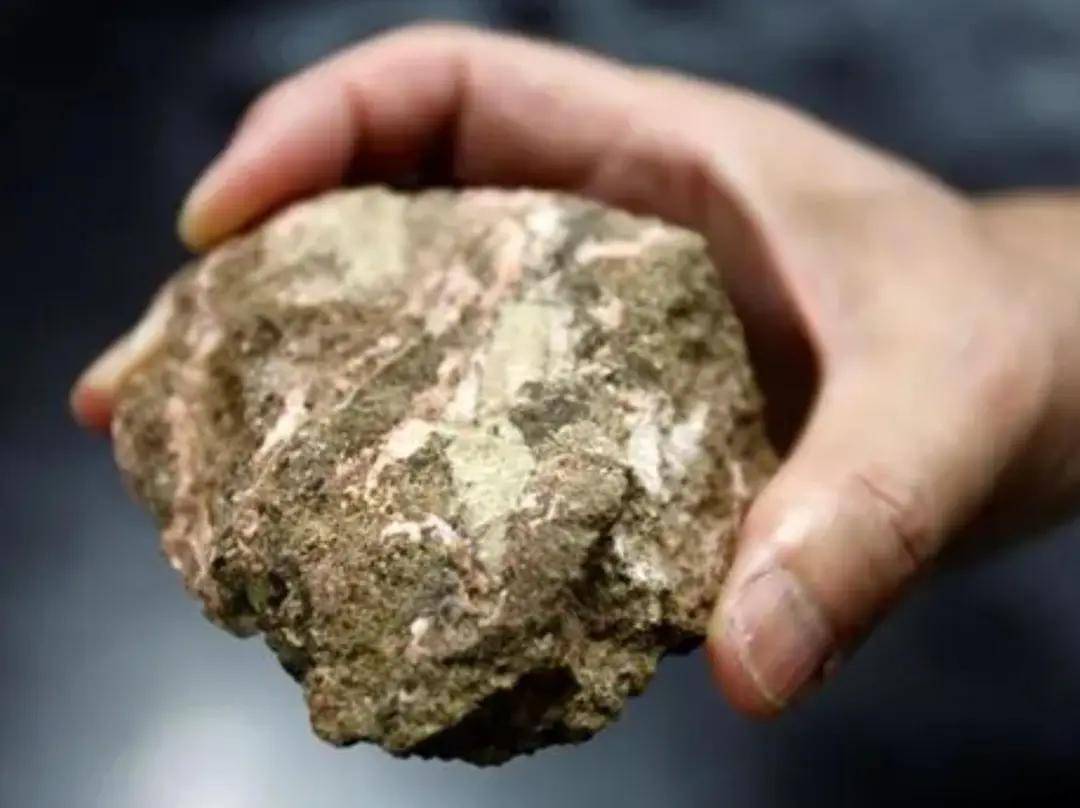
终于破案,中方追回96吨稀金,要跟美国算总账,13万吨订单被消除
Sou Hu Cai Jing· 2025-12-22 03:52
Group 1 - The Shenzhen Intermediate People's Court sentenced 27 individuals involved in the smuggling of 166 tons of antimony ingots, a strategic resource restricted from export, with 96 tons successfully recovered [1] - The case highlights the attempts by foreign forces to illegally acquire China's strategic resources, reflecting the ongoing tensions in the US-China relationship [1] - Following the court ruling, the US announced a $11.1 billion arms sale to Taiwan, prompting China to cancel a 132,000-ton order of US wheat as a countermeasure [1] Group 2 - The Chinese Ministry of Commerce approved export licenses for certain enterprises regarding rare earths, easing concerns for global supply chains, while maintaining a strict stance against smuggling [3] - In 2024, cases of rare metal smuggling in China increased by 47%, with 83% of these cases involving collusion with foreign forces [3] - The smuggling operation involved disguising antimony ingots as industrial waste and falsifying customs documents, with the seized 96 tons representing 12% of the US's annual demand for this critical metal [3] Group 3 - The US Department of Defense's arms sale to Taiwan included 64 Harpoon anti-ship missiles and 12 HIMARS rocket systems, with 87% of the equipment being offensive in nature, contradicting previous claims of providing only defensive weapons [4] - China's countermeasures have included imposing tariffs on US agricultural products in response to US tariffs, demonstrating its capability to respond effectively to actions that harm its core interests [4] - The US's agricultural exports to China have seen a 29% year-on-year decline, with major crops like soybeans, corn, and wheat hitting ten-year lows [4] Group 4 - The recovery of 96 tons of antimony and the cancellation of the wheat order symbolize a broader geopolitical struggle, with China asserting its determination to protect its sovereignty and strategic resources [5] - The ongoing strategic competition initiated by the US raises questions about its chances of success, especially as China prepares to respond decisively to any further provocations [5]