
鸡蛋拌饭

Search documents
鸡蛋拌饭在日本成“奢侈品”
Sou Hu Cai Jing· 2025-12-28 12:01
Group 1 - The core issue is the rising prices of staple foods in Japan, specifically rice and eggs, which have reached record highs, leading to significant changes in consumer behavior [1][3] - As of December 21, the average price of a 5-kilogram bag of rice is 4,337 yen (approximately 194 RMB), remaining above 4,000 yen (approximately 179 RMB) for 16 consecutive weeks [1] - The average wholesale price of medium-sized eggs in the Tokyo area is 324 yen per kilogram (approximately 14.5 RMB), marking the highest price on record [3] Group 2 - The increase in food prices is attributed to rising feed costs, the spread of avian influenza, and the depreciation of the yen, contributing to a broader "price surge" in Japan [3] - Over 20,000 food items have experienced price increases this year, with nearly 3,600 more expected to rise in price at the beginning of next year [3] - Consumers are seeking cheaper alternatives for high-priced items like beef, butter, and tomatoes, opting for chicken, margarine, and carrots instead, and many are substituting noodles and bread for rice due to its high price [3]


日本米蛋价高不下鸡蛋拌饭水涨船高
Sou Hu Cai Jing· 2025-12-28 03:54
Core Insights - Japan's rice and egg prices have reached record highs, leading consumers to seek cheaper alternatives for these staple foods [1][2] Group 1: Price Increases - The average price of a 5-kilogram bag of rice in Japan is 4,337 yen (approximately 194 RMB), remaining above 4,000 yen for 16 consecutive weeks [1] - The average wholesale price of medium-sized eggs in Tokyo is 324 yen per kilogram (approximately 14.5 RMB), marking the highest price recorded [1] - Over 20,000 food items in Japan have experienced price increases this year, with nearly 3,600 more expected to rise in price early next year [1] Group 2: Consumer Behavior - Japanese consumers are substituting expensive ingredients like beef, butter, and tomatoes with cheaper options such as chicken, margarine, and carrots [2] - Due to high rice prices, many are opting for noodles and bread as alternatives [2]

日本米蛋价高不下,鸡蛋拌饭水涨船高
Sou Hu Cai Jing· 2025-12-28 03:14
Core Insights - Japan's rice and egg prices have reached record highs, with rice averaging 4,337 yen (approximately 194 RMB) for a 5-kilogram bag, remaining above 4,000 yen for 16 consecutive weeks [1][3] - The average wholesale price of medium-sized eggs in Tokyo has hit 324 yen (approximately 14.5 RMB) per kilogram, marking the highest price on record [3] - The price surge in staple foods is attributed to rising raw material costs, labor expenses, and the depreciation of the yen, leading to over 20,000 food items experiencing price increases this year [3] Industry Impact - The price increases have led consumers to seek alternatives for high-priced items, opting for cheaper substitutes like chicken, margarine, and carrots instead of beef, butter, and tomatoes [3] - Many consumers are now considering rice and eggs as luxury items, with some expressing reluctance to add eggs to their meals due to the high costs [3] - An estimated 3,600 food items are expected to see price hikes in early next year, indicating a continuing trend of inflation in the food sector [3]
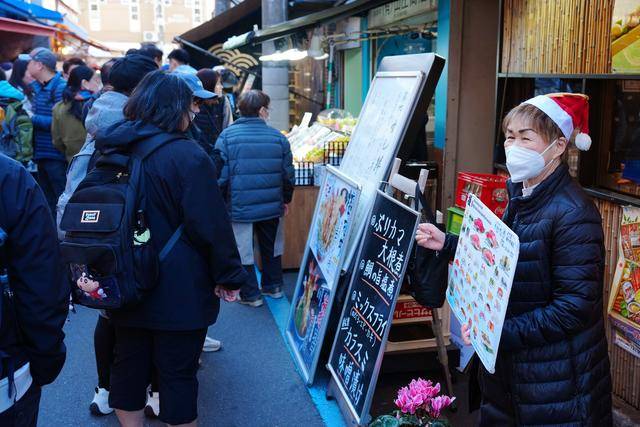
【微特稿】日本米蛋价高不下 鸡蛋拌饭水涨船高
Sou Hu Cai Jing· 2025-12-27 12:54
Core Insights - Japan is experiencing record-high prices for rice and eggs, with significant impacts on consumer behavior and food choices [1][2] Group 1: Price Increases - The average price of a 5-kilogram bag of rice in Japan reached 4,337 yen (approximately 194 RMB), remaining above 4,000 yen for 16 consecutive weeks [1] - The average wholesale price of medium-sized eggs in Tokyo is now 324 yen per kilogram (about 14.5 RMB), marking the highest price on record [1] Group 2: Consumer Behavior - Many Japanese consumers are now considering eggs and rice as luxury items, with some expressing reluctance to add eggs to their meals, such as curry rice [1] - Consumers are seeking cheaper alternatives for high-priced ingredients like beef, butter, and tomatoes, opting for chicken, margarine, and carrots instead [2] - Due to the high rice prices, many are substituting rice with noodles and bread [2] Group 3: Broader Economic Context - The price surge in food items is attributed to rising raw material and labor costs, as well as the depreciation of the yen [1] - Over 20,000 food items in Japan have seen price increases this year, with nearly 3,600 more expected to rise in price early next year [1]