
人造黄油

Search documents
鸡蛋拌饭在日本成“奢侈品”
Sou Hu Cai Jing· 2025-12-28 12:01
Group 1 - The core issue is the rising prices of staple foods in Japan, specifically rice and eggs, which have reached record highs, leading to significant changes in consumer behavior [1][3] - As of December 21, the average price of a 5-kilogram bag of rice is 4,337 yen (approximately 194 RMB), remaining above 4,000 yen (approximately 179 RMB) for 16 consecutive weeks [1] - The average wholesale price of medium-sized eggs in the Tokyo area is 324 yen per kilogram (approximately 14.5 RMB), marking the highest price on record [3] Group 2 - The increase in food prices is attributed to rising feed costs, the spread of avian influenza, and the depreciation of the yen, contributing to a broader "price surge" in Japan [3] - Over 20,000 food items have experienced price increases this year, with nearly 3,600 more expected to rise in price at the beginning of next year [3] - Consumers are seeking cheaper alternatives for high-priced items like beef, butter, and tomatoes, opting for chicken, margarine, and carrots instead, and many are substituting noodles and bread for rice due to its high price [3]


日本米蛋价高不下,鸡蛋拌饭水涨船高
Sou Hu Cai Jing· 2025-12-28 03:14
Core Insights - Japan's rice and egg prices have reached record highs, with rice averaging 4,337 yen (approximately 194 RMB) for a 5-kilogram bag, remaining above 4,000 yen for 16 consecutive weeks [1][3] - The average wholesale price of medium-sized eggs in Tokyo has hit 324 yen (approximately 14.5 RMB) per kilogram, marking the highest price on record [3] - The price surge in staple foods is attributed to rising raw material costs, labor expenses, and the depreciation of the yen, leading to over 20,000 food items experiencing price increases this year [3] Industry Impact - The price increases have led consumers to seek alternatives for high-priced items, opting for cheaper substitutes like chicken, margarine, and carrots instead of beef, butter, and tomatoes [3] - Many consumers are now considering rice and eggs as luxury items, with some expressing reluctance to add eggs to their meals due to the high costs [3] - An estimated 3,600 food items are expected to see price hikes in early next year, indicating a continuing trend of inflation in the food sector [3]

日本大米和鸡蛋价格均创有统计以来最高值,一袋5公斤装大米均价约合194元人民币
Sou Hu Cai Jing· 2025-12-28 00:29
Group 1 - The core point of the articles highlights the significant increase in prices of staple foods in Japan, particularly rice and eggs, reaching record highs, which has led consumers to seek cheaper alternatives [1][2] - According to the Ministry of Agriculture, Forestry and Fisheries, the average price of a 5-kilogram bag of rice was 4,337 yen (approximately 194 RMB), remaining above 4,000 yen for 16 consecutive weeks [1] - The average wholesale price of medium-sized eggs in Tokyo reached 324 yen per kilogram (approximately 14.5 RMB), marking the highest price recorded [1] Group 2 - The rising prices of essential food items have prompted Japanese consumers to look for substitutes, opting for cheaper options like chicken, margarine, and carrots instead of beef, butter, and tomatoes [2] - Due to the ongoing price surge, many individuals are replacing rice with noodles and bread as a more affordable alternative [2] - The overall food price increase in Japan is attributed to rising raw material costs, labor expenses, and the depreciation of the yen, with over 20,000 food items experiencing price hikes this year and nearly 3,600 more expected to increase in price early next year [1]
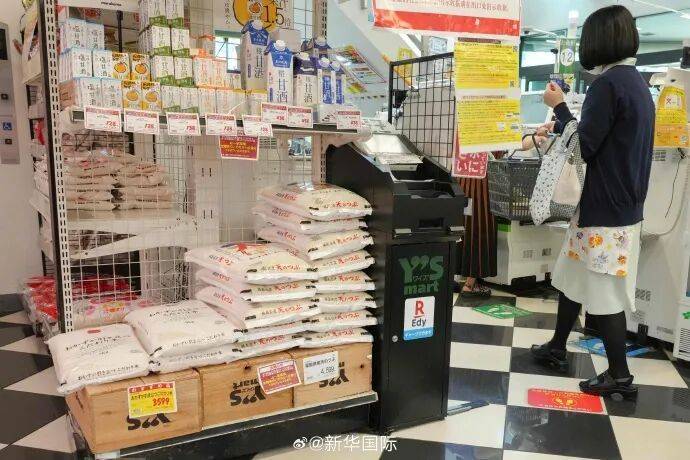
日本民众感慨:鸡蛋拌饭已成“奢侈品”
Xin Lang Cai Jing· 2025-12-27 14:34
Group 1 - The core point of the article highlights that the prices of rice and eggs in Japan have reached record highs, leading to significant changes in consumer behavior and food choices [1][3]. Group 2 - According to the Ministry of Agriculture, Forestry and Fisheries, the average price of a 5-kilogram bag of rice is 4,337 yen (approximately 194 RMB), remaining above 4,000 yen (approximately 179 RMB) for 16 consecutive weeks [3]. - The average wholesale price of medium-sized eggs in Tokyo has reached 324 yen per kilogram (approximately 14.5 RMB), marking the highest price on record [3]. - The increase in food prices is attributed to rising raw material and labor costs, as well as the depreciation of the yen, with over 20,000 food items experiencing price hikes this year [3]. - An estimated 3,600 food items are expected to see price increases in early next year [3]. - Consumers are seeking alternatives to expensive ingredients like beef, butter, and tomatoes, opting for cheaper options such as chicken, margarine, and carrots [3]. - Many are substituting rice with noodles and bread due to the high prices of rice [3].
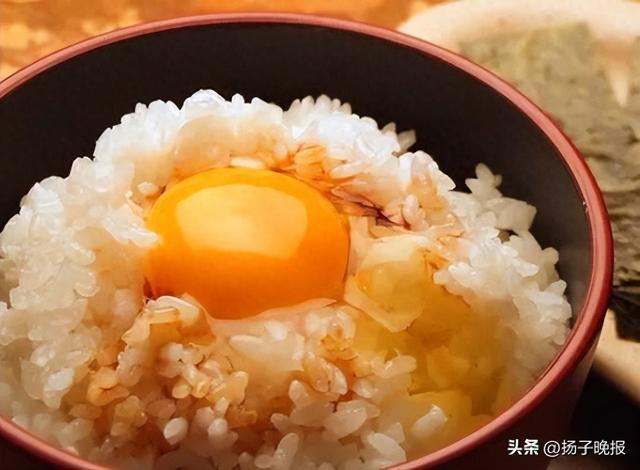
【微特稿】日本米蛋价高不下 鸡蛋拌饭水涨船高
Sou Hu Cai Jing· 2025-12-27 12:54
Core Insights - Japan is experiencing record-high prices for rice and eggs, with significant impacts on consumer behavior and food choices [1][2] Group 1: Price Increases - The average price of a 5-kilogram bag of rice in Japan reached 4,337 yen (approximately 194 RMB), remaining above 4,000 yen for 16 consecutive weeks [1] - The average wholesale price of medium-sized eggs in Tokyo is now 324 yen per kilogram (about 14.5 RMB), marking the highest price on record [1] Group 2: Consumer Behavior - Many Japanese consumers are now considering eggs and rice as luxury items, with some expressing reluctance to add eggs to their meals, such as curry rice [1] - Consumers are seeking cheaper alternatives for high-priced ingredients like beef, butter, and tomatoes, opting for chicken, margarine, and carrots instead [2] - Due to the high rice prices, many are substituting rice with noodles and bread [2] Group 3: Broader Economic Context - The price surge in food items is attributed to rising raw material and labor costs, as well as the depreciation of the yen [1] - Over 20,000 food items in Japan have seen price increases this year, with nearly 3,600 more expected to rise in price early next year [1]
与反式脂肪酸角力,下一发力点在哪儿?
Xin Jing Bao· 2025-12-16 12:45
Core Viewpoint - The global initiative to eliminate industrial trans fats, which are linked to approximately 280,000 cardiovascular disease deaths annually, is ongoing, with significant progress but still a long way to go [3][4]. Group 1: Global Efforts and Statistics - The World Health Organization (WHO) launched the "REPLACE" action in 2018, aiming to eliminate industrial trans fats by 2023, with 46% of the global population currently covered by related bans and protective measures [3][4]. - As of 2023, 9 countries have received WHO certification for eliminating industrial trans fats, including Austria, Norway, and Denmark [6][7]. - The average dietary intake of trans fats in China is 0.39g/day, which is below the WHO recommended limit of 2.2g for a 2000-calorie diet [7][8]. Group 2: China's Measures and Standards - China began addressing trans fats in 2010, leading to the implementation of food safety standards that require labeling of trans fat content in products containing hydrogenated oils [4][5]. - In 2023, the National Health Commission of China issued several food safety standards to reduce the use of trans fats in infant formula [5][6]. - Although China's current measures do not meet WHO's "best practice" policies, they are recognized as "other supplementary measures" by the WHO [6][7]. Group 3: Industry Perspectives and Challenges - There are differing opinions within the industry regarding the pursuit of WHO certification, with some experts suggesting that China is close to meeting the necessary standards [9][10]. - The production of partially hydrogenated oils is still permitted in China, which complicates the elimination efforts [9][10]. - The final steps towards eliminating trans fats in China remain uncertain, with considerations for monitoring, regulatory frameworks, and the economic impact on smaller producers [10][11].
过油不及 餐桌控油指南来啦
Bei Jing Qing Nian Bao· 2025-08-26 01:12
Core Viewpoint - Controlling oil intake is essential for maintaining health while still enjoying delicious food. The article provides practical tips for reducing oil consumption in daily cooking and eating habits [1]. Group 1: Controlling Cooking Oil Intake - Healthy adults should limit daily cooking oil intake to 25-30 grams, distributing it across three meals [2]. - Using a graduated oil dispenser can help manage the total amount of cooking oil used daily [2]. Group 2: Cooking Methods - Prefer cooking methods that require little or no oil, such as steaming, boiling, braising, and quick frying, while minimizing frying techniques [3]. - Utilizing non-stick pans, ovens, electric griddles, and air fryers can significantly reduce oil usage [3]. Group 3: Reducing Fried Foods - It is advisable to limit or avoid fried foods like fried chicken, French fries, and fried dough products. When dining out, request less oil in dishes and avoid fried options [4]. Group 4: Reducing Animal Fats - Decrease the frequency and quantity of animal fats used, opting for plant-based oils instead. It is recommended to alternate between different types of plant oils [5]. Group 5: Understanding Nutrition Labels - Learning to read nutrition labels is crucial for selecting foods with lower fat content and no trans fats. Trans fats are commonly found in processed foods like margarine, baked goods, and fried items [6]. Group 6: Cooking Tips to Reduce Oil - For oil-absorbing vegetables like eggplant, pre-steaming or dry frying before adding oil can minimize oil absorption. For fatty meats, pre-cooking to render fat before adding other ingredients can also help [7]. - Allowing cooked dishes to rest in a tilted pan can help drain excess oil before serving. Using oil-absorbing paper can further reduce oil content in dishes [7].