黄浦江游船

Search documents
青春经济、入境游和数字化,上海更大力度提振消费做“乘法”
第一财经· 2026-02-05 13:33
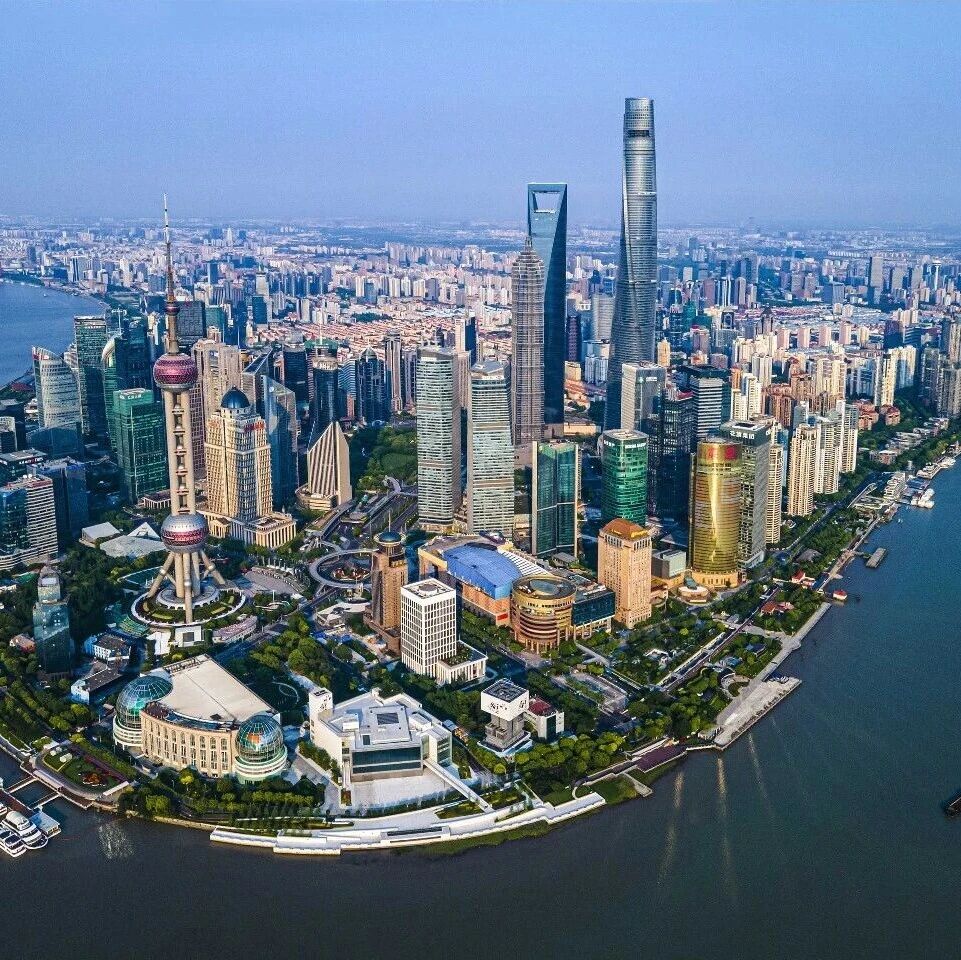
Core Viewpoint - The article emphasizes the importance of youth economy in Shanghai, highlighting its potential to drive consumption and innovation, with a focus on understanding and meeting the needs of young consumers [3][6]. Group 1: Youth Economy Development - The youth economy is defined as a consumption model centered around young people, driving new consumption patterns such as "self-indulgent consumption" and "emotional consumption" [3]. - Shanghai's youth economy market size has reached 4.3 trillion yuan, accounting for 68% of the new consumption sector, with Shanghai leading in various sub-sectors like coffee shops and esports [6][7]. - The average age of entrepreneurs in youth-oriented businesses is 28.1 years, indicating a vibrant entrepreneurial spirit among the youth [6]. Group 2: Challenges and Recommendations - Despite its advantages, the youth economy faces challenges such as high costs, limited financing options, and low resilience among startups, with over 30% of youth shops failing within a year [7]. - Recommendations include integrating youth economy into Shanghai's development plans, enhancing financial support, and creating a supportive regulatory environment for new business models [7]. Group 3: Consumption and Tourism - The Shanghai government aims to boost consumption through various initiatives, including enhancing service consumption and promoting cultural and tourism events [4][5]. - Inbound tourism has rebounded significantly, with a 39.58% increase in total inbound visitors in 2025, indicating a growing interest in Shanghai as a travel destination [9]. - The article suggests that inbound tourism products should focus on experiential value to attract younger visitors [9]. Group 4: Digital Transformation - Digitalization is highlighted as a key factor for the transformation of physical consumption, with calls for businesses to enhance their digital capabilities [12]. - The food and beverage sector is particularly urged to adopt digital solutions to improve service quality and safety, with suggestions for implementing AI in food safety monitoring [13].

青春经济、入境游和数字化,上海更大力度提振消费做“乘法”
Di Yi Cai Jing Zi Xun· 2026-02-05 09:20
Group 1 - The core concept of "youth economy" is emerging in Shanghai, focusing on young consumers as the main driving force for consumption and innovation [1][3] - Shanghai's government aims to boost consumption as a strategic priority, with plans to implement special actions to enhance consumer spending and develop an international consumption center [1][2] - The youth economy in Shanghai is characterized by a market size of 4.3 trillion yuan, accounting for 68% of the new consumption sector, with Shanghai leading in various sub-sectors such as coffee shops and esports [3][4] Group 2 - The integration of cultural, tourism, and commercial exhibitions is seen as a multiplier effect to stimulate consumption potential [2][3] - Challenges exist for youth entrepreneurs, including high costs and limited financing options, with over 30% of youth shops failing within a year [4] - Recommendations include incorporating the youth economy into Shanghai's development plans, enhancing financial support, and creating a supportive regulatory environment [4] Group 3 - The influx of inbound tourists is expected to rise significantly, with a projected 39.58% increase in total inbound visitors by 2025, driven by a younger demographic [7] - The design of inbound tourism products should focus on enhancing experiential value to meet the preferences of both inbound and domestic travelers [7][8] - Suggestions for improving tourism offerings include developing unique attractions like a Ferris wheel on the Huangpu River to enhance the city's appeal [8] Group 4 - Digital transformation is crucial for the retail sector, with calls for businesses to leverage AI and other technologies to improve service quality and efficiency [10][11] - The restaurant industry faces challenges in maintaining food safety and service standards, necessitating a shift towards digital solutions for better regulatory compliance [10][11] - Proposals include creating an intelligent regulatory system to enhance food safety monitoring and improve the overall business environment [11]
超预期!上海前11个月已接待入境游客超828万人次
Xin Hua Wang· 2025-12-25 08:31
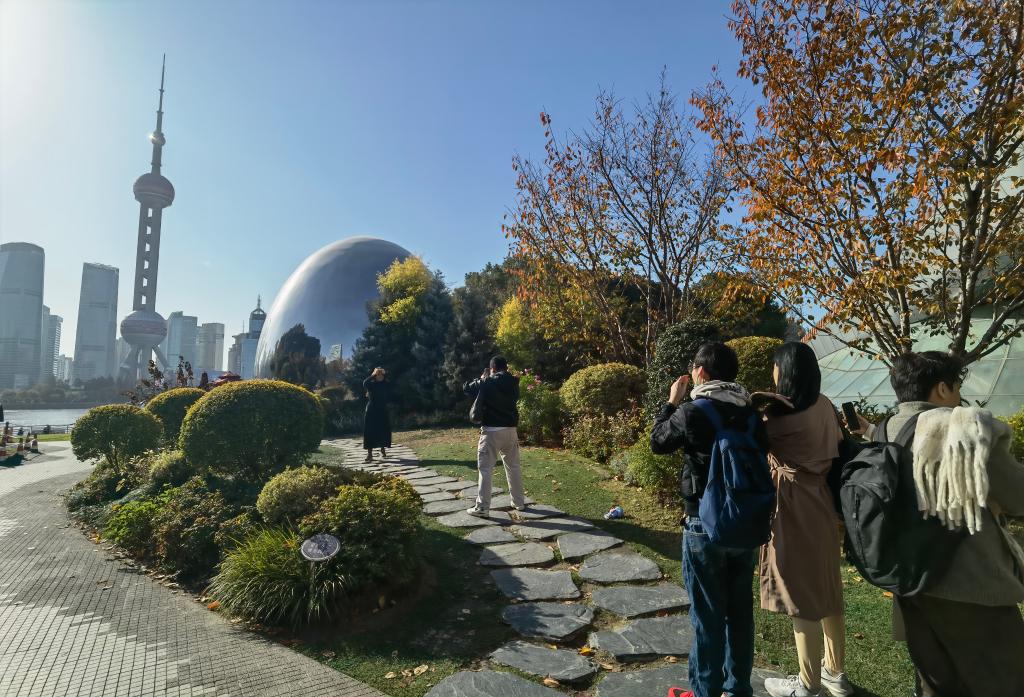
Group 1 - The core viewpoint of the articles highlights a significant increase in inbound tourism to Shanghai, with 8.282 million visitors recorded in the first 11 months of the year, representing a nearly 40% year-on-year growth, exceeding initial expectations and surpassing the projected total for 2024 [1] - The number of foreign tourists visiting Shanghai reached 6.287 million, marking an almost 50% increase compared to the previous year, driven by the ongoing benefits of visa-free policies [1] - The trend of foreign tourists visiting local leisure spots is growing, with many engaging in cultural experiences and activities that were previously less accessible [4] Group 2 - Shanghai's tourism experience is becoming more individualized, with a noticeable shift towards independent travelers, which necessitates improvements in public service levels and tourism promotion across various districts [4] - The Shanghai Cultural and Tourism Bureau is actively promoting tourism through initiatives such as the first tourism strategy competition, which features 120 new "trendy" travel routes in anticipation of the upcoming New Year holiday [4] - The city is implementing 20 measures across five areas to enhance public services, including information, transportation, consumer, convenience, and safety services, aiming to provide a seamless travel experience for both domestic and international visitors [4]
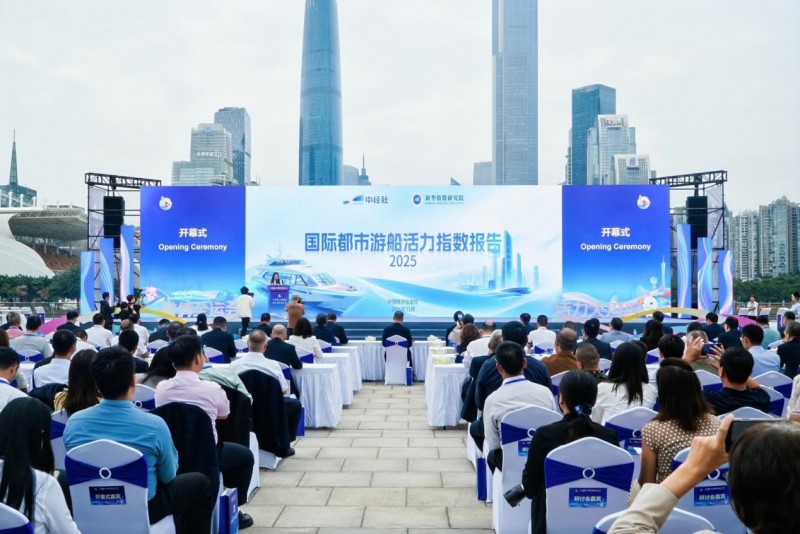
国际都市游船活力指数最新成果发布 广州领跑全球
Xin Hua Cai Jing· 2025-11-03 09:19
Core Insights - The report titled "International Urban Cruise Vitality Index Report (2025)" indicates that Guangzhou ranks first in the index, followed by Shanghai and New York, showcasing the strong development of the global cruise industry [1][4]. Group 1: Performance of Chinese Cities - Guangzhou leads in market vitality, innovation vitality, and openness, setting a benchmark for high-quality development in the domestic cruise industry [4]. - Shanghai is leveraging its "One River, One River" strategy to enhance the internationalization of its Huangpu River and Suzhou River cruise brands, maintaining a lead in market and innovation vitality [4]. - Chinese cities, particularly Guangzhou, excel in innovation vitality compared to global counterparts, with Guangzhou operating 11 electric cruise ships, including the "Starship Navigator," which features 3D holographic projection technology [4][5]. Group 2: Global Trends and Development - The global cruise industry is experiencing a dual-driven development trend characterized by "branding and greening," with cities like Paris and Budapest enhancing their cruise offerings through cultural and technological integration [5]. - The Guangzhou Port Authority emphasizes the cruise industry as a new growth engine for the urban economy, with recent policies aimed at establishing Guangzhou as a world-class tourist destination [5][6]. Group 3: Future Directions - The report outlines future directions including deepening the integration of travel and navigation, enhancing urban living quality, and promoting smart cruise development through AI [7]. - The "International Urban Cruise Vitality Index" has been published for five consecutive years, covering 14 representative waterfront cities globally, providing a scientific quantitative standard for the cruise industry [7].