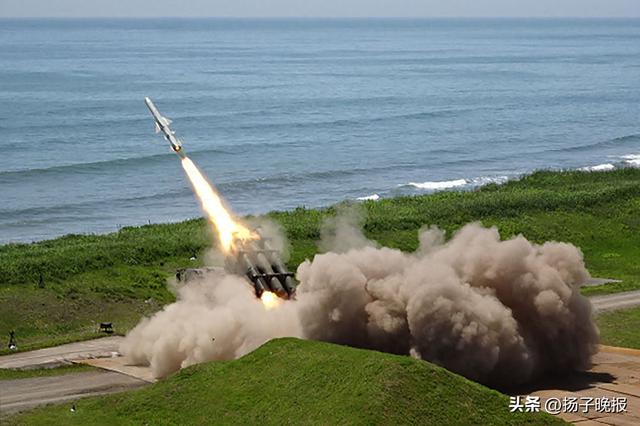
12式反舰导弹

Search documents
被中国管制的日本实体什么来头
Xin Lang Cai Jing· 2026-02-26 06:16
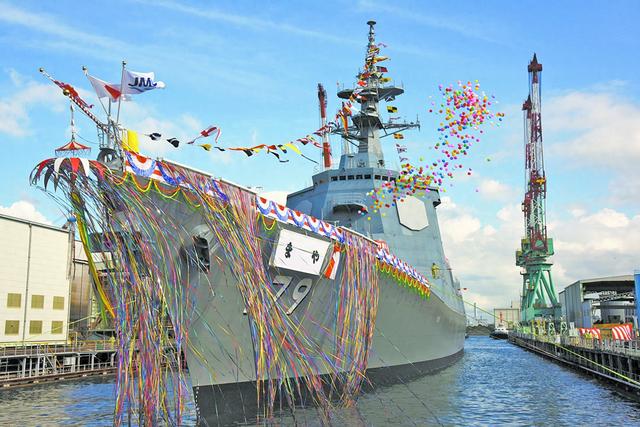
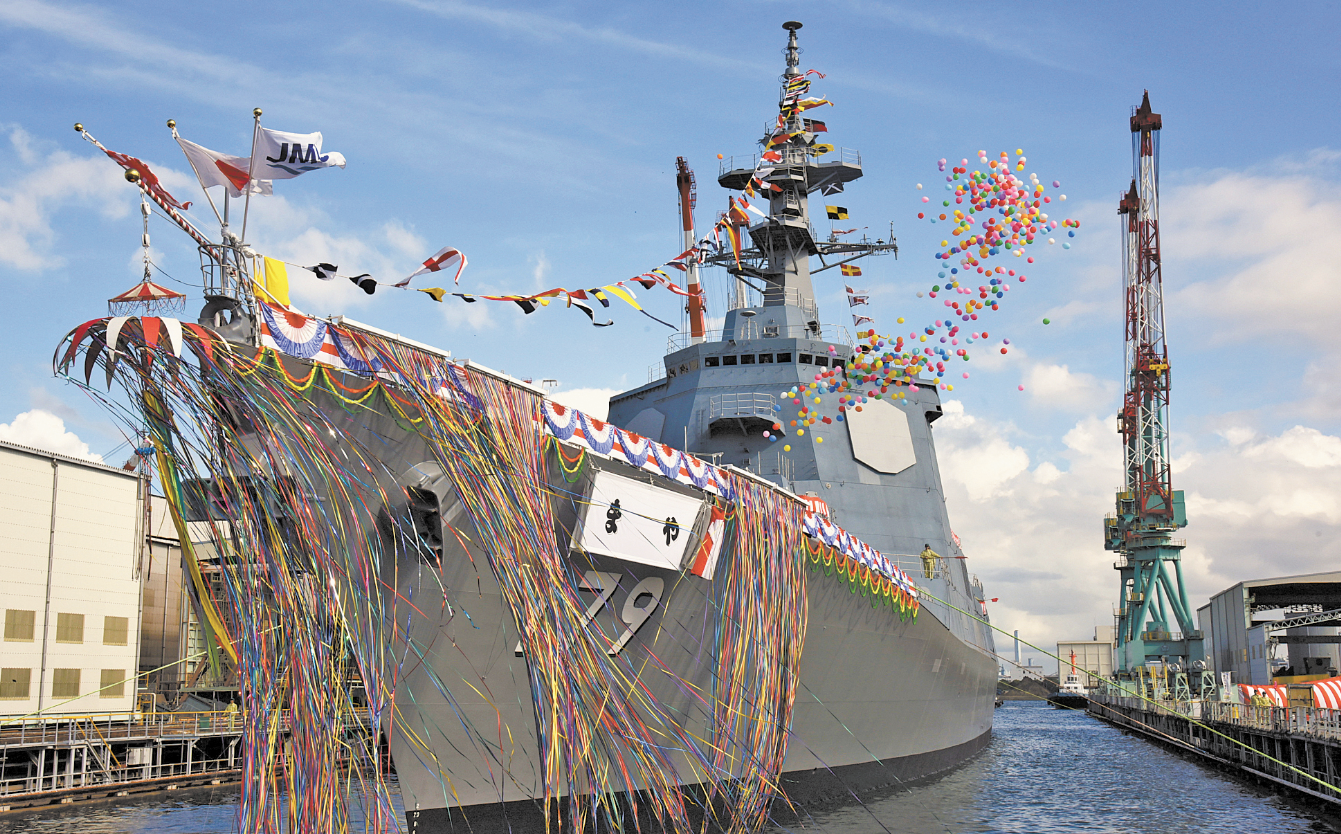
Core Viewpoint - Japan is increasingly moving towards reviving militarism by developing offensive weapons, attempting to amend its pacifist constitution, and expanding the export of defense equipment, which has led to China imposing export controls on 20 Japanese entities involved in enhancing Japan's military capabilities [1]. Group 1: Key Companies Involved - Mitsubishi Heavy Industries is highlighted as Japan's largest defense contractor, with projected arms revenue of $5 billion in 2024, marking a 37% year-on-year increase, primarily from aircraft and missile system sales [1][2]. - Kawasaki Heavy Industries, ranked 55th in the 2025 Global Defense Industry Rankings, is a major defense contractor in Japan, covering various sectors including aviation, aerospace, and naval systems [6]. - IHI Corporation, involved in multiple defense sectors, is responsible for producing engines for Japan's active fighter jets and is a key player in the development of next-generation fighter projects [8][9]. Group 2: Military Developments and Projects - The Japanese Self-Defense Forces are deploying Type 12 anti-ship missiles near the southwestern islands close to Taiwan, with plans to upgrade to improved versions, all developed by Mitsubishi Heavy Industries [2]. - Japan's Ministry of Defense is developing a domestic hypersonic missile, with Mitsubishi Heavy Industries as the main contractor, set to be deployed by the fiscal year 2026 [2]. - The Japanese government is moving to expand the export of defense equipment, allowing the export of combat aircraft and warships, with Mitsubishi Heavy Industries being a key manufacturer of the "Maya" class Aegis destroyers [3]. Group 3: Export Control Measures - The Chinese Ministry of Commerce has placed Mitsubishi Heavy Industries and other related companies on an export control list due to their roles in enhancing Japan's military capabilities [1][4]. - Other companies on the export control list include NEC, which develops military radar and communication systems, and Fujitsu, which is involved in software and hardware development for the Self-Defense Forces [6][8]. - JAXA, Japan's national space agency, is also included in the export control list, reflecting its increasing involvement in military space development [11][12].

【环时深度】被中国管制的日本实体什么来头?
Xin Lang Cai Jing· 2026-02-25 23:03
Core Viewpoint - Japan is increasingly moving towards reviving militarism by developing offensive weapons, attempting to amend its pacifist constitution, and expanding the export range of defense equipment, prompting China to impose export controls on 20 Japanese entities involved in enhancing Japan's military capabilities [1]. Group 1: Japanese Defense Contractors - Mitsubishi Heavy Industries is highlighted as Japan's largest military contractor, with projected arms revenue of $5 billion in 2024, marking a 37% year-on-year increase, primarily from aircraft and missile system sales [2]. - The Japanese Self-Defense Forces have deployed Type 12 anti-ship missiles near Taiwan, with plans to upgrade to a more advanced version, all developed by Mitsubishi Heavy Industries [3]. - Mitsubishi Heavy Industries is also responsible for key components of Japan's F-35 fighter jets and has been involved in the development of various missile systems [3]. Group 2: Export Control Measures - The Japanese government is moving to expand the export of defense equipment, allowing the export of combat aircraft and warships, which was previously restricted to rescue and transport purposes [4]. - Mitsubishi Heavy Industries' shipyards are continuously engaged in constructing various classes of vessels for the Japan Maritime Self-Defense Force, including Aegis destroyers and submarines [4]. Group 3: Other Key Companies - Kawasaki Heavy Industries, ranked 55th in the global military contractor list, is involved in multiple defense sectors, including aviation and naval systems, and has been included in China's export control list [6][7]. - IHI Corporation, which provides engines and monitoring systems for Japan's Self-Defense Forces, is also on the export control list, with a significant role in developing various military equipment [9][10]. Group 4: Space and Military Integration - The Japan Aerospace Exploration Agency (JAXA) has been increasingly integrated into Japan's military ambitions, with its role expanding to include military space development since 2012 [11][13]. - JAXA is involved in monitoring low Earth orbit and has been tasked with developing a satellite constellation for real-time global surface intelligence, supporting Japan's defense capabilities [10][13]. - JAXA's collaboration with the Japanese Self-Defense Forces includes developing technologies for detecting hypersonic missiles, indicating a shift towards military applications in space exploration [14].
每100日元税收超10日元流向军事领域
Xin Lang Cai Jing· 2025-12-27 15:38
Core Viewpoint - Japan's defense budget for the fiscal year 2026 is set to exceed 9 trillion yen, marking a historical high and continuing a trend of 14 consecutive years of military spending increases [1] Group 1: Defense Budget Overview - The initial defense budget for fiscal year 2026 accounts for 7.4% of Japan's total general account expenditures and 10.8% of tax revenue, indicating that over 10 yen of every 100 yen in tax revenue will be allocated to military spending [1] - In fiscal year 2025, Japan's defense spending reached 11 trillion yen, which is approximately three times the per capita defense spending of China for 2025, positioning Japan as the fifth-largest military spender globally [1] - Japan's military expenditure has doubled in just 3 to 4 years, a growth rate not seen since World War II [1] Group 2: Funding and Economic Implications - Japan's defense budget heavily relies on national debt, which exceeds 260% of GDP, raising concerns about the sustainability of such military investments [1] - The government is seeking to boost the domestic economy through arms exports, aiming to finance military spending via the defense industry [1] Group 3: Military Strategy and Regional Implications - The focus of Japan's defense spending will shift towards offensive capabilities, including long-range missiles, attack drones, and space warfare equipment, with plans to procure U.S. Tomahawk cruise missiles and upgrade anti-ship missiles [1] - Japan is actively fortifying military bases in the southwestern islands, indicating ambitions for military intervention in the Taiwan Strait through its alliance with the U.S. [1] - The international community is increasingly wary of Japan's militarization and potential resurgence of militarism, necessitating a multi-faceted response from China to enhance its own defense capabilities and regional stability [1]
日本防卫预算再创新高,9万亿日元是什么概念?专家解读:每100日元的税收中有超10日元流向军事领域
Xin Lang Cai Jing· 2025-12-27 14:32
Group 1 - Japan's defense budget for the fiscal year 2026 exceeds 9 trillion yen, marking a historical high and continuing a trend of 14 consecutive years of military spending growth [1] - The initial defense budget for 2026 accounts for 7.4% of Japan's total general account expenditure and 10.8% of tax revenue, indicating a significant allocation of resources towards military spending [1] - Japan's military expenditure has doubled in just 3 to 4 years, a growth rate not seen since World War II, positioning Japan as the fifth-largest military spender globally based on the 2025 fiscal year budget [1] Group 2 - The record defense budget signals Japan's departure from its post-war self-defense principle, accelerating its militarization and ambitions to become a military power [2] - Japan's defense spending will focus on offensive capabilities, including long-range missiles and attack drones, with plans to procure U.S. Tomahawk cruise missiles and upgrade its anti-ship missiles [2] - Japan is actively fortifying its southwestern islands and testing short-range missiles, revealing its military ambitions in the Taiwan Strait and seeking to boost its defense industry through arms exports [4] Group 3 - In response to Japan's militarization, China needs to enhance its defense capabilities, focusing on long-range strikes and joint operational capabilities in the Taiwan and East China Sea regions [5] - There is a call for the international community to remain vigilant against Japan's aggressive military growth and its potential to disrupt regional stability through military-industrial expansion [5]
时隔8年,中俄再次举行反导联合演习,解读来了
Huan Qiu Wang· 2025-12-07 06:03
Core Viewpoint - The announcement of the third joint missile defense exercise between China and Russia reflects deepening strategic mutual trust and cooperation in military matters, emphasizing that the exercise is not aimed at any third party [1][4][6]. Summary by Relevant Sections Joint Military Exercises - The third joint missile defense exercise is taking place in Russia in early December, marking the first such exercise in eight years, with information released only after its conclusion to reduce sensitivity [1][4]. - Previous exercises occurred in May 2016 and December 2017, with the latest announcement being the most concise, reiterating that the exercise does not target any third party [1][4]. Strategic Cooperation - Military experts highlight that the exercise is a natural progression of military cooperation between China and Russia, driven by strategic consensus between the two nations [4][5]. - The focus on post-exercise information release indicates a commitment to military transparency and confidence in their capabilities, while also countering potential misinterpretations by other nations [4][6]. Regional Security Context - The joint exercise is part of broader strategic security cooperation, including missile defense, early warning systems, and resource integration, which are crucial given regional threats, particularly from Japan's military developments [5][6]. - The collaboration aims to establish a regional missile defense system that enhances mutual defense capabilities and shared early warning mechanisms [6][7]. Historical and Political Implications - The exercises and strategic discussions underscore a commitment to uphold the post-World War II order and resist any attempts by former adversaries to alter this order [7][8]. - Both nations have reached a consensus on maintaining the outcomes of World War II and countering any resurgence of militarism, particularly from Japan [6][7].
中俄两军举行第三次反导联合演习,专家解读
Huan Qiu Wang· 2025-12-07 05:15
Core Viewpoint - The joint missile defense exercise between China and Russia, held in early December, reflects the deepening strategic trust between the two nations and emphasizes their commitment to collaborate on significant security interests without targeting third parties [1][5][7]. Summary by Sections Joint Exercise Details - The third joint missile defense exercise is the first in eight years and was announced only after its completion, indicating a focus on technical cooperation rather than political sensitivity [1][2]. - Previous exercises occurred in May 2016 and December 2017, with the latest announcement being the most concise, reiterating that the exercise does not target any third party [1][5]. Strategic Cooperation - Military experts highlight that the timing of the announcement post-exercise reflects confidence in military capabilities and transparency, while also mitigating potential misinterpretations by other nations [2][5]. - The exercise is seen as a natural progression in military cooperation, driven by the strategic guidance of the leaders of both countries [2][5]. Regional Security Context - The joint exercise is positioned as a response to increasing military provocations in the Asia-Pacific region, particularly from Japan, which is enhancing its missile capabilities [6][7]. - The collaboration aims to establish a regional missile defense system that focuses on shared early warning capabilities, enhancing both nations' defensive strategies against potential threats [6][7]. Commitment to Historical Context - The discussions during the strategic security consultations included a strong consensus on maintaining the outcomes of World War II and resisting any attempts to revise historical narratives related to colonial aggression [7]. - This reflects a broader commitment to uphold post-war order and prevent any resurgence of militarism, particularly from nations with a history of aggression [7].
危险信号!“这是日本要介入台海的第一步”
中国基金报· 2025-12-01 05:43
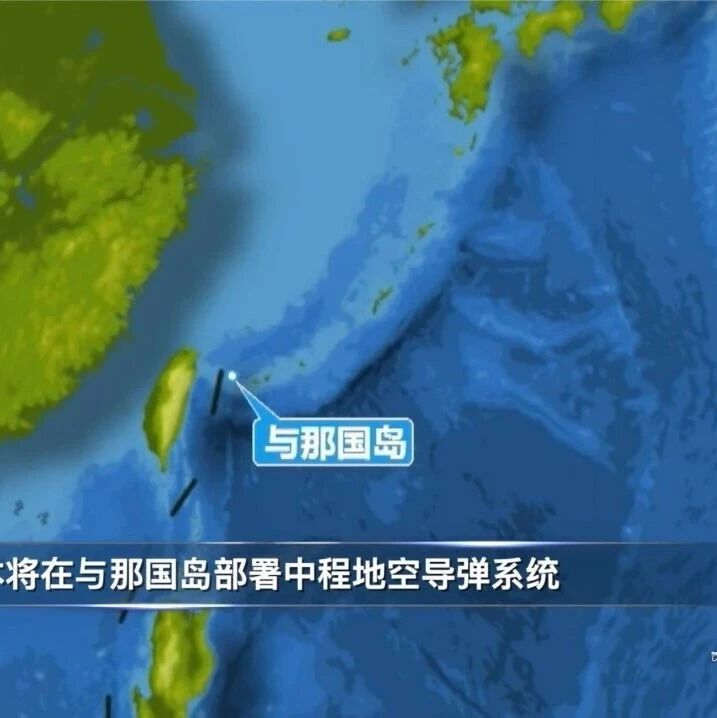
Core Viewpoint - Japan's recent decision to deploy the 03 medium-range surface-to-air missile system on Yonaguni Island, located only 110 kilometers from Taiwan, is seen as a deliberate move to escalate regional tensions and has raised significant international concern [1][2]. Summary by Sections Military Deployment - Japan's Defense Minister recently inspected the Self-Defense Forces base in the Ryukyu Islands and confirmed that the deployment of the 03 medium-range surface-to-air missile system on Yonaguni Island is progressing rapidly [2]. - The geographical positioning of Yonaguni Island makes any military deployment there highly targeted, particularly towards Taiwan [2]. Missile System Details - The 03 medium-range surface-to-air missile system was developed to replace the outdated U.S. Hawk missile system and consists of a six-pack launcher, radar vehicle, command center, power supply vehicle, and transport vehicle, all based on a heavy truck chassis [2]. - The missile system has a length of 4.9 meters, a maximum range of 50 kilometers, and a maximum altitude of 10 kilometers. An upgraded version, the 03改, has a potential range of up to 100 kilometers [2]. Strategic Intent - Experts suggest that Japan's military presence on Yonaguni Island is a strategic step towards intervening in the Taiwan Strait, marking the beginning of a broader U.S.-Japan strategy in the region [4]. - The deployment of electronic warfare units and missile systems indicates Japan's intent to enhance its military capabilities in the southwestern islands, effectively turning Yonaguni into a forward base [4][6]. Future Developments - Future military operations may involve the deployment of large helicopters and tilt-rotor aircraft from the Japan Ground Self-Defense Force, with the possibility of F-35B aircraft also being stationed on Yonaguni Island [7]. International Response - The Chinese Ministry of Defense has condemned Japan's military actions, asserting that Taiwan is a domestic issue for China and warning that Japan's military intervention could lead to severe consequences [9].