
战略互信

Search documents
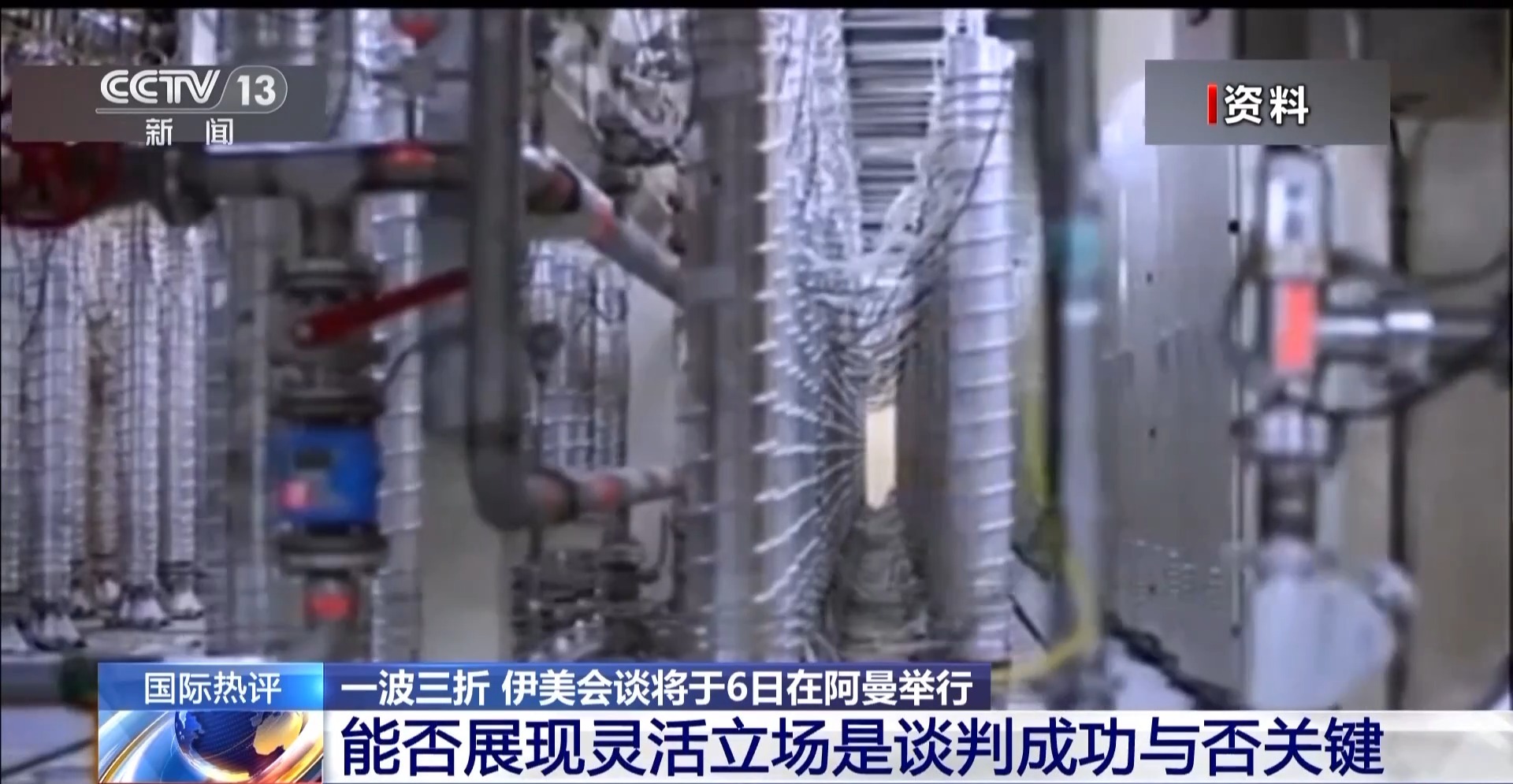
视频丨伊美会谈一波三折 双方严重缺乏互信
Xin Lang Cai Jing· 2026-02-05 16:10
Group 1 - The upcoming Iran-U.S. talks are scheduled for February 6 in Muscat, Oman, but have faced multiple changes and uncertainties regarding the venue and potential cancellation [1][2] - Both Iran and the U.S. express a desire to ease regional tensions through political means, yet significant distrust remains, as evidenced by ongoing military tensions and strategic maneuvering [2][3] - Regional countries are actively mediating to maintain political dialogue between Iran and the U.S., which has contributed to stabilizing the negotiation atmosphere [3] Group 2 - Key obstacles to reaching an agreement include Iran's potential suspension of uranium enrichment in exchange for U.S. concessions on its nuclear program, and the U.S. acceptance of low-concentration nuclear materials remaining in Iran [6] - Israel's stance as a critical third party significantly impacts the negotiations, with its demands potentially complicating discussions and risking military action if its concerns are not addressed [6]

加拿大终于想通了,特朗普不可信,必须与中国合作,但为时已晚
Sou Hu Cai Jing· 2025-12-22 08:17
Group 1 - Canadian Prime Minister Carney is seeking to diversify trade partnerships, particularly with China, as a response to pressures from the Trump administration [1][3][5] - The relationship with the U.S. has been strained due to tariffs imposed by Trump, leading Canada to reconsider its heavy reliance on the American market [3][7] - Carney's outreach to China has been characterized by cautious optimism, emphasizing the need for a "safety net" in sensitive areas while expressing a desire for cooperation [5][7] Group 2 - China's response to Canada's overtures has been welcoming but conditional on rebuilding strategic trust and mutual interests [8] - There are mixed opinions on whether Canada's shift towards China is too late, with some experts arguing that the market has already been captured by other countries [11][13] - The 55th anniversary of diplomatic relations between China and Canada presents an opportunity for renewed engagement, provided Canada approaches with sincerity and practicality [13]

时隔8年,中俄再次举行反导联合演习,解读来了
Huan Qiu Wang· 2025-12-07 06:03
Core Viewpoint - The announcement of the third joint missile defense exercise between China and Russia reflects deepening strategic mutual trust and cooperation in military matters, emphasizing that the exercise is not aimed at any third party [1][4][6]. Summary by Relevant Sections Joint Military Exercises - The third joint missile defense exercise is taking place in Russia in early December, marking the first such exercise in eight years, with information released only after its conclusion to reduce sensitivity [1][4]. - Previous exercises occurred in May 2016 and December 2017, with the latest announcement being the most concise, reiterating that the exercise does not target any third party [1][4]. Strategic Cooperation - Military experts highlight that the exercise is a natural progression of military cooperation between China and Russia, driven by strategic consensus between the two nations [4][5]. - The focus on post-exercise information release indicates a commitment to military transparency and confidence in their capabilities, while also countering potential misinterpretations by other nations [4][6]. Regional Security Context - The joint exercise is part of broader strategic security cooperation, including missile defense, early warning systems, and resource integration, which are crucial given regional threats, particularly from Japan's military developments [5][6]. - The collaboration aims to establish a regional missile defense system that enhances mutual defense capabilities and shared early warning mechanisms [6][7]. Historical and Political Implications - The exercises and strategic discussions underscore a commitment to uphold the post-World War II order and resist any attempts by former adversaries to alter this order [7][8]. - Both nations have reached a consensus on maintaining the outcomes of World War II and countering any resurgence of militarism, particularly from Japan [6][7].
今年首次,中美防长面对面会谈
Huan Qiu Shi Bao· 2025-10-31 23:12
Group 1 - The core viewpoint of the articles highlights the significance of the recent meeting between Chinese Defense Minister Dong Jun and U.S. Defense Secretary Lloyd Austin, marking the first face-to-face communication between high-level military officials from China and the U.S. during President Trump's second term, which is seen as a positive step towards restoring strategic communication and managing military risks [1][2][3] Group 2 - The meeting took place during the 12th ASEAN Defense Ministers' Meeting, where Dong emphasized the need for practical actions to implement the consensus reached by the leaders of both countries, aiming to enhance policy communication and foster positive interactions between military personnel [1] - Austin described the meeting as constructive and noted that it followed a video call held on September 9, indicating a gradual improvement in defense communication between the two nations [2] - The discussions included sensitive topics such as the Taiwan Strait issue, with Dong asserting that the unification of Taiwan and the mainland is an unstoppable historical trend, urging the U.S. to be cautious regarding Taiwan independence [2] - The presence of military leaders from both sides, including commanders from the Indo-Pacific Command and Southern Theater Command, underscores the importance placed on risk management and communication in military operations [2]
高视医疗与德国SCHWIND公司续签独家代理协议
Zhi Tong Cai Jing· 2025-09-30 12:42
Core Viewpoint - The renewal of the exclusive agency agreement between Gaoshi Medical and Schwind eye-tech-solutions GmbH signifies a strengthened strategic partnership, enhancing Gaoshi Medical's competitive advantage in the refractive surgery equipment market in China [1] Group 1: Agreement Details - Gaoshi Medical's subsidiary, Shanghai Gaoshi Mingwang Medical Equipment Co., Ltd., has officially renewed its exclusive agency agreement with Schwind eye-tech-solutions GmbH for the Chinese market, including mainland China, Hong Kong, and Macau [1] - The partnership with Schwind, a key supplier since their initial collaboration in 2009, has lasted over 16 years, indicating a stable and long-term relationship [1] Group 2: Market Implications - The renewal of the exclusive agency agreement is crucial for consolidating Gaoshi Medical's competitive edge in the refractive surgery equipment market in China [1]
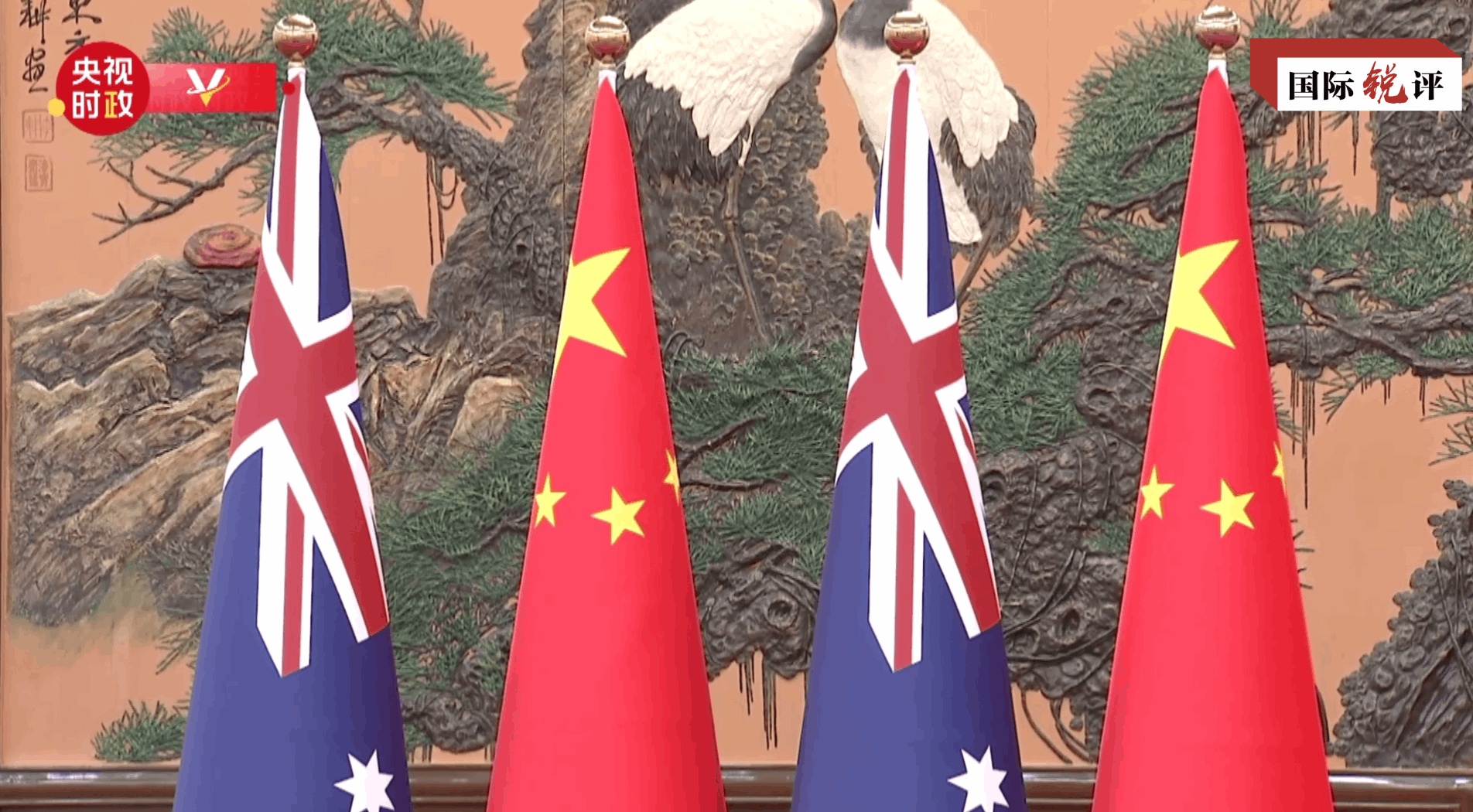
国际锐评丨推动中澳关系“进一步向前、向好”正当其时
Yang Shi Xin Wen Ke Hu Duan· 2025-07-17 02:13
Group 1 - The core focus of the article is on the importance of stabilizing relations between Australia and China, highlighting Prime Minister Albanese's visit to China as a reaffirmation of economic cooperation and dialogue [1][3] - The visit marks the second time Albanese has visited China since taking office, emphasizing the ongoing development of the comprehensive strategic partnership between the two nations [1][3] - The meeting between President Xi Jinping and Prime Minister Albanese resulted in a joint statement agreeing to enhance communication and cooperation in areas of mutual interest while managing differences wisely [1][3] Group 2 - The article discusses the rational and pragmatic approach of the Australian government towards China, indicating a shift in policy planning based on national interests [3] - It notes that the past three years have seen a stabilization and improvement in China-Australia relations, with both sides learning from their experiences [3] - Strategic mutual trust is highlighted as a core element for further development of bilateral relations, with both leaders emphasizing the importance of correct mutual understanding and maintaining peace and cooperation [3][4] Group 3 - Economic cooperation is a key focus of Albanese's visit, with a business delegation accompanying him, and a clear message that Australia does not seek to decouple from the Chinese economy [4] - The article mentions the significance of the high-level free trade agreement signed a decade ago, which has greatly facilitated trade between the two countries [4] - Future cooperation is expected to strengthen in traditional sectors like agriculture and mining, while also expanding into emerging fields such as artificial intelligence, healthcare, green energy, and digital economy [4] Group 4 - The article highlights the increasing closeness between the peoples of both nations, with China being the largest source of international students and tourists for Australia [6] - A new five-year mutual visa arrangement and a unilateral visa waiver policy from China are set to enhance people-to-people exchanges [6] - The emphasis on cultural, sports, education, and tourism exchanges is expected to further strengthen bilateral ties [6] Group 5 - Both countries reaffirmed their commitment to multilateralism and free trade, stressing the importance of the United Nations and the World Trade Organization [6] - The article points out the significance of this cooperation in the current global context, aiming to provide more stability and certainty to the international community [6] - The visit is seen as a step towards promoting a more just and reasonable international order [6] Group 6 - Albanese's visit is framed within the context of Australia's national interests, advocating for a rational approach to relations with China despite existing differences [7] - The article concludes with a hopeful outlook for the future of Australia-China relations, emphasizing the potential benefits for both nations and the broader region [7]
外媒关注第二届中国-中亚峰会:务实成果丰硕 友谊开启新篇
Zhong Guo Xin Wen Wang· 2025-06-18 11:44
Group 1 - The second China-Central Asia Summit held on June 17 in Kazakhstan achieved substantial practical results, deepening the friendship and cooperation between China and Central Asian countries [1][2] - The summit marked the first time Central Asian countries held a summit with other national leaders in the region, highlighting its significance [1] - Discussions focused on enhancing regional cooperation, expanding political dialogue, and deepening economic exchanges, with an emphasis on ensuring regional security and stability [1][2] Group 2 - China and Central Asian countries committed to further improving road and rail connectivity and increasing direct flights between China and Central Asian nations [1] - The summit is seen as a catalyst for advancing economic cooperation and promoting new project implementations and investment growth in the region [1][2] - The event showcased the ongoing deepening of relations between Central Asian countries and China, reflecting mutual trust and strategic collaboration [2]