2026款BMW X5

Search documents
从放权到调价,合资品牌在中国“量身”造车
Xin Jing Bao· 2025-11-24 04:52
Core Insights - The Guangzhou Auto Show showcases a significant shift in strategy among multinational automotive companies, emphasizing localization and adaptation to the Chinese market [1][2][4] Group 1: Market Dynamics - Domestic brands hold a 65% retail market share and a 46.7% penetration rate in the new energy vehicle sector, prompting joint ventures to adapt their strategies [1] - Multinational companies are moving away from a "one car sells globally" approach, recognizing the need for deep engagement in the Chinese market [2][4] Group 2: Strategic Changes - Companies like Dongfeng Nissan are adopting a "GLOCAL" model, investing over 10 billion yuan in R&D and empowering local teams with decision-making authority [2] - Toyota has implemented a "China Chief Engineer" system, allowing local teams to make decisions without extensive approval from Japan [3] Group 3: Product Development - Dongfeng Nissan introduced the N6 plug-in hybrid, showcasing the results of its localized R&D efforts [2] - GAC Toyota's new models, including the Platinum 7, are designed specifically for the Chinese market, demonstrating the effectiveness of local team-led development [3] Group 4: Technological Advancements - The auto show highlighted advancements in smart technology, with companies like SAIC Volkswagen and Dongfeng Nissan integrating localized features such as dialect recognition and smart driving systems [5][6] - The focus on user experience is evident as companies aim to enhance product offerings through localized technology [6] Group 5: Pricing and Product Strategy - Many brands are adopting a strategy of increasing product features while lowering prices to better compete with domestic brands [7][9] - Mercedes-Benz and BMW have introduced new models with enhanced features at competitive price points, indicating a shift towards more consumer-friendly pricing strategies [7][8] Group 6: Industry Transformation - The transformation in the automotive industry is driven by the rise of domestic brands and the need for multinational companies to adapt to a changing market landscape [9]
车展观察|从放权到调价 合资品牌在中国“量身”造车
Xin Jing Bao· 2025-11-24 04:52
Core Viewpoint - The Guangzhou Auto Show highlights the shift of multinational automotive companies towards localization and adaptation to the Chinese market, as they face increasing competition from domestic brands. Group 1: Market Dynamics - The Guangzhou Auto Show features 1,085 vehicles, with 629 being new energy models, indicating a strong presence of electric vehicles in the market [1] - Domestic brands hold a 65% retail market share and a 46.7% penetration rate in new energy vehicles over the first ten months [1] - Multinational brands are moving away from a "one-size-fits-all" approach and are instead focusing on localized research and development to better meet Chinese consumer demands [2][4] Group 2: Strategic Changes - Companies like Dongfeng Nissan are adopting a "GLOCAL" model, investing over 10 billion yuan in R&D and expanding their local teams to over 4,000 people [2] - Toyota has implemented a "China Chief Engineer" system, granting local teams full decision-making authority, which has led to successful product adaptations like the new RAV4 [3] - Volkswagen is launching a new product series, ID.ERA, aimed at the Chinese market, with plans to introduce multiple models from 2026 [3] Group 3: Technological Advancements - The auto show showcases advancements in smart technology, with companies like SAIC Volkswagen and Dongfeng Nissan introducing intelligent cockpit systems that cater to local user preferences [5][6] - Dongfeng Nissan's new model features a "scene-based intelligence" concept, integrating local services and real-time updates [6] Group 4: Product and Pricing Strategies - Brands are focusing on creating products tailored to the Chinese market, with competitive pricing strategies that include lowering prices and enhancing configurations [7][9] - Beijing Benz's new electric CLA model is priced competitively within the mid-range of domestic brands, reflecting a shift in luxury brand strategies [7] - BMW and Audi are also enhancing their product offerings with better configurations and competitive pricing, indicating a broader trend among luxury brands to adapt to local market demands [8][9]
车展观察|从放权到调价,合资品牌在中国“量身”造车
Bei Ke Cai Jing· 2025-11-24 04:29
Core Insights - The Guangzhou Auto Show showcases a significant shift in the automotive industry, with 629 out of 1,085 vehicles being new energy models, indicating a strong focus on electric and hybrid vehicles [1] - Joint ventures and luxury brands are adapting to the Chinese market by localizing their research and development efforts, as evidenced by their increased market share and penetration rates in the new energy vehicle sector [2][3] Group 1: Market Trends - Domestic brands hold a 65% retail market share and a 46.7% penetration rate in new energy vehicles, prompting foreign brands to localize their strategies [2][3] - The shift from a global product strategy to a localized approach is evident, as companies recognize the need to actively engage with the Chinese market [3][16] Group 2: Strategic Changes - Companies like Dongfeng Nissan are investing over 10 billion yuan in R&D and expanding their local teams to enhance decision-making capabilities [3][5] - Toyota has implemented a "Chief Engineer in China" system, allowing local teams to make decisions without extensive approval from Japan, reflecting a commitment to local market needs [5] Group 3: Product Development - New models such as Dongfeng Nissan's N6 and Toyota's RAV4 are results of localized development, showcasing the importance of understanding local consumer preferences [3][5] - The introduction of new energy vehicles and hybrid models at the auto show highlights the industry's response to changing consumer demands [1][6] Group 4: Technological Advancements - The integration of smart technology in vehicles is becoming a key focus, with companies like SAIC Volkswagen and Dongfeng Nissan showcasing advanced features tailored to Chinese consumers [8][11] - The use of local dialect recognition and adaptive driving systems indicates a significant step towards enhancing user experience in the Chinese market [8][11] Group 5: Pricing Strategies - Many brands are adopting strategies that involve increasing product features while lowering prices to better compete with domestic brands [12][14] - The introduction of competitively priced models with enhanced features, such as the new electric CLA from Beijing Benz, signifies a shift towards more consumer-friendly pricing [14][15] Group 6: Competitive Landscape - The transformation in the automotive sector is driven by the rise of domestic brands, which has created pressure on foreign companies to innovate and adapt [16]


宝马集团拳头产品阵容齐聚广州 满怀信心奔赴2026新世代
Zhong Guo Zhi Liang Xin Wen Wang· 2025-11-21 08:29
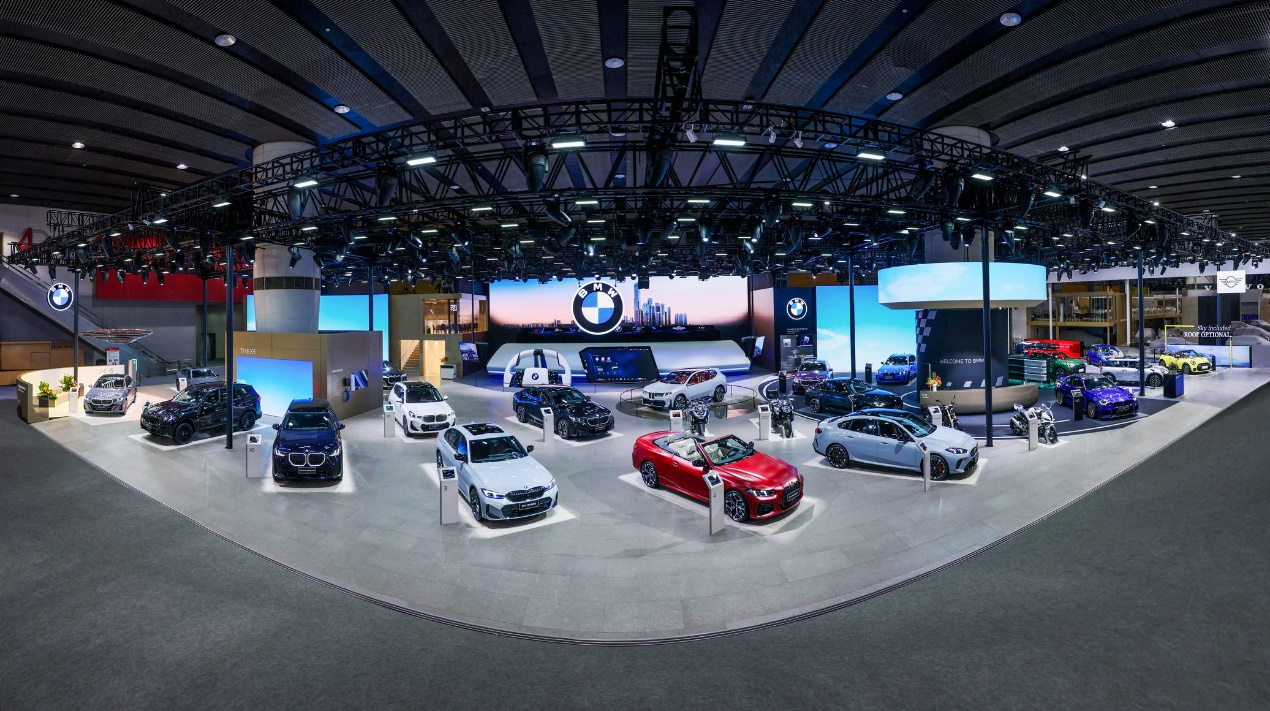
Group 1: Core Products and Innovations - BMW Group showcased over 20 models at the Guangzhou Auto Show, including the 2026 BMW X5, the new BMW M3 Touring, and the electric MINI COOPER PAUL SMITH designer edition, highlighting its commitment to innovation and product excellence for 2025 [1][3] - The 2026 BMW X5 has undergone significant upgrades focusing on intelligence, comfort, luxury, and design, with features like advanced driving assistance systems and enhanced seating comfort now standard across all models [6][9] - The new generation BMW iX3, set to launch in the second half of 2026, will be the first model to feature BMW's new generation technologies, including the BMW Driving Control Super Brain and new electric drive systems [15][17] Group 2: Market Strategy and Performance - BMW Group's CEO in Greater China emphasized the company's commitment to meeting local customer needs through innovative products and experiences, aiming to lead the future of luxury mobility [5] - The BMW M division has seen strong growth in China, with sales increasing over 25% year-on-year, and the introduction of the new BMW M3 Touring as the first high-performance touring car in the Chinese market [7][9] - The new generation electric drive system debuted at the show features a 20% increase in energy density and a 40% reduction in energy loss, enabling the new generation BMW iX3 to achieve a range of over 900 kilometers [22] Group 3: Technological Advancements - The BMW Driving Control Super Brain integrates core functions like power transmission and energy recovery into a single control unit, allowing for rapid response to driver intentions [17][18] - A new intelligent driving assistance solution developed in collaboration with Chinese tech company Momenta aims to enhance vehicle adaptability to complex driving environments [18][20] - The new generation BMW cockpit features advanced interaction interfaces and integrates local digital ecosystems, enhancing user experience and connectivity [24]