718系列

Search documents
2025年在华销量大跌26%,保时捷中国CEO:行业正在洗牌,已制定路线图“赢回中国”
Mei Ri Jing Ji Xin Wen· 2026-01-17 06:05
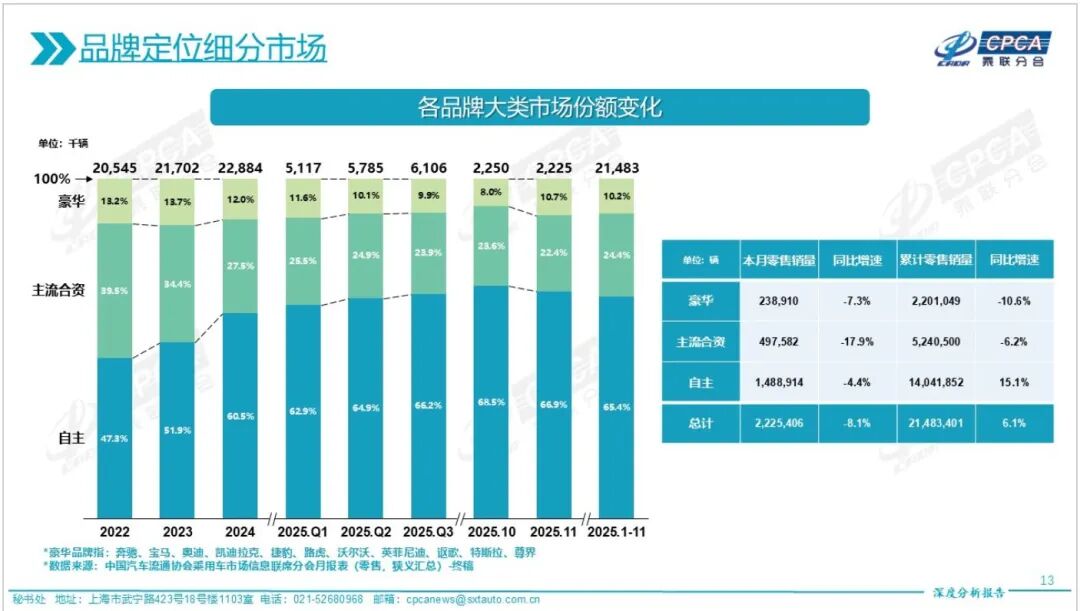
Core Insights - Porsche aims to deepen its commitment to the Chinese market, viewing it as a strategic innovation engine for the next 3 to 5 years, despite facing challenges such as a projected 26% decline in sales in 2025 compared to the previous year [1][2] - The company is adjusting its dealer network and establishing a local R&D center to enhance adaptability and resilience in the Chinese market [1][8] Sales Performance - Porsche's global sales are expected to reach approximately 279,000 units in 2025, with around 42,000 units from the Chinese market, reflecting a 26% year-on-year decline [1] - The overall luxury car market in China is under pressure, with luxury brand sales down 10.6% year-on-year for the first 11 months of 2025, totaling about 2.201 million units [2] Market Strategy - Porsche's strategy includes a focus on value-oriented sales rather than just volume growth, especially in light of increased competition in the luxury car segment, particularly in electric vehicles [4][9] - The company plans to optimize its dealer network from approximately 150 outlets in 2024 to around 80 by the end of 2026, aiming to cover all core cities effectively [6][8] Product Development - Porsche is committed to electric vehicle development but is adjusting its product lineup to include more internal combustion engine models, reflecting the competitive landscape in the ultra-luxury segment [4][5] - A new local R&D center was established in November 2025, which will allow for faster development cycles and the introduction of a new infotainment system tailored for the Chinese market in 2026 [8] Future Outlook - The luxury car market is expected to continue facing challenges in 2026, with increased competition and market restructuring, but Porsche remains cautiously optimistic about its prospects [4][9] - The company emphasizes a comprehensive transformation strategy in China that goes beyond product and channel adjustments, aiming for systemic and localized changes across various aspects of its operations [8]

后悔了!保时捷:砍掉这款燃油车是个失误
Zhong Guo Qi Che Bao Wang· 2026-01-13 01:59
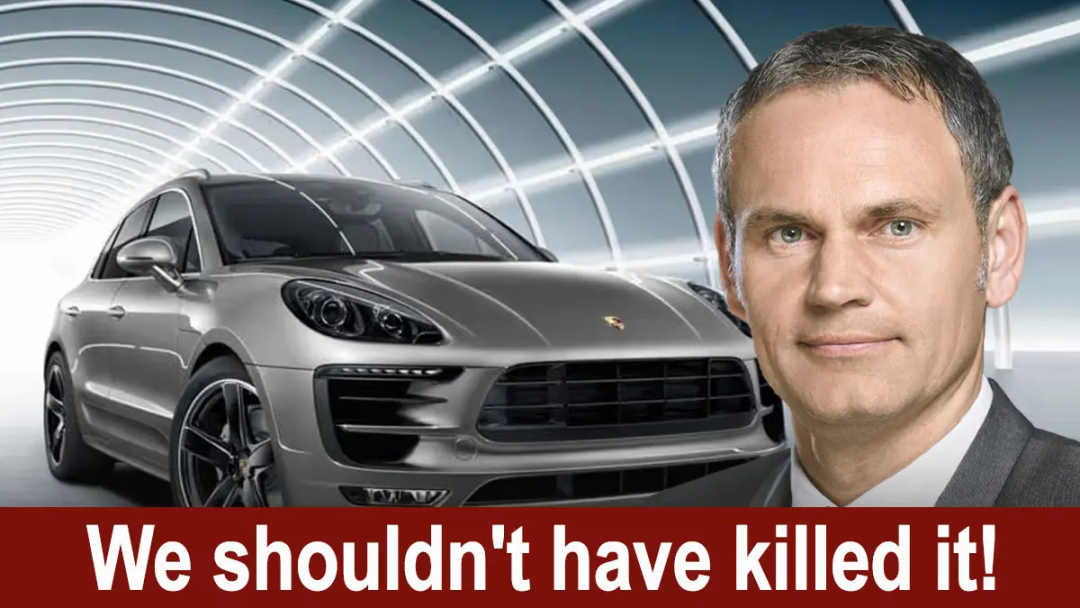
Core Viewpoint - Porsche's CEO Oliver Blume admitted a significant strategic error regarding the discontinuation of the first-generation Macan gasoline model, reflecting the challenges luxury car manufacturers face during the electric transition [1][3][5] Group 1: Strategic Decisions - The decision to stop production of the first-generation Macan was initially seen as a key step in Porsche's electrification strategy, but Blume's acknowledgment of this mistake adds complexity to his ten-year leadership [3][5] - The first-generation Macan has been a crucial model for Porsche, with production starting in late 2013 and reaching its one-millionth unit by July 2025, making it the third model in Porsche's history to achieve this milestone [3][5] - The gasoline version of the Macan sold 87,355 units in 2023, ranking second in brand sales, just behind the Cayenne [3][5] Group 2: Market Impact - The first-generation Macan will be phased out globally by mid-2026, with the last batch of gasoline models set to roll off the production line at that time [3][8] - The discontinuation of the gasoline Macan has created a market gap, as the electric Macan, set to launch in 2024, has not fully compensated for the demand left by the gasoline version, particularly in key markets like China and the U.S. [9][10] Group 3: Strategic Adjustments - In response to the market gap, Porsche is adjusting its strategy by increasing the development of internal combustion engine and hybrid models, including a new gasoline-powered crossover set to launch in 2028 [10][11] - The new crossover will be positioned below the Cayenne and will not carry the Macan name, targeting the compact luxury SUV segment [10][11] - Porsche's strategic shift includes extending the lifecycle of existing internal combustion models and introducing more gasoline variants in core series like the 911 and Cayenne, marking a return to a multi-powertrain strategy [13]