AI交互系统

Search documents
吃尽中国红利,转头投靠美国,现在被查真不冤
Sou Hu Cai Jing· 2026-01-17 06:43
Core Viewpoint - Manus, a company originating from Wuhan, is under formal investigation by the Chinese Ministry of Commerce for attempting to sell its technology to Meta while severing ties with its Chinese roots, raising concerns about ethical practices and national security [1][10][39]. Company Background - Manus was founded by Xiao Hong, a graduate of Huazhong University of Science and Technology, with its early team based in Beijing and Wuhan [1]. - The company relied heavily on Chinese talent, data, and market conditions to develop its core AI technology, which includes a significant amount of training data sourced from Chinese users [1][4]. Business Operations - Manus announced a relocation to Singapore in June 2025, rebranding as Butterfly Effect Pte, which was seen as a drastic move to erase its Chinese identity [4][6]. - The company laid off a large number of non-core employees, retaining only about 40 engineers who possess critical technology [5][6]. Regulatory Concerns - The Chinese government has tightened export controls on AI technologies, particularly those developed within its borders, which Manus failed to comply with during its acquisition process [11][12][10]. - The Ministry of Commerce's investigation into Manus was triggered by its attempt to transfer technology without proper export licensing, violating Chinese regulations [9][10][39]. Strategic Implications - The acquisition by Meta, valued at $2 billion, is seen as a potential transfer of critical AI capabilities that could enhance Meta's competitive position against other tech giants [9][13]. - Manus's actions are viewed as a significant risk to China's strategic interests in AI, as it could lead to a loss of talent and technology to foreign competitors [12][18][39]. Industry Impact - Manus's case serves as a warning to other AI companies about the importance of adhering to national regulations and maintaining ethical standards in global operations [34][39]. - The incident highlights the ongoing competition between China and the U.S. in the AI sector, emphasizing the need for a balance between innovation and regulatory compliance [41].


十五运“体育+”模式火出圈
21世纪经济报道· 2025-11-04 00:50
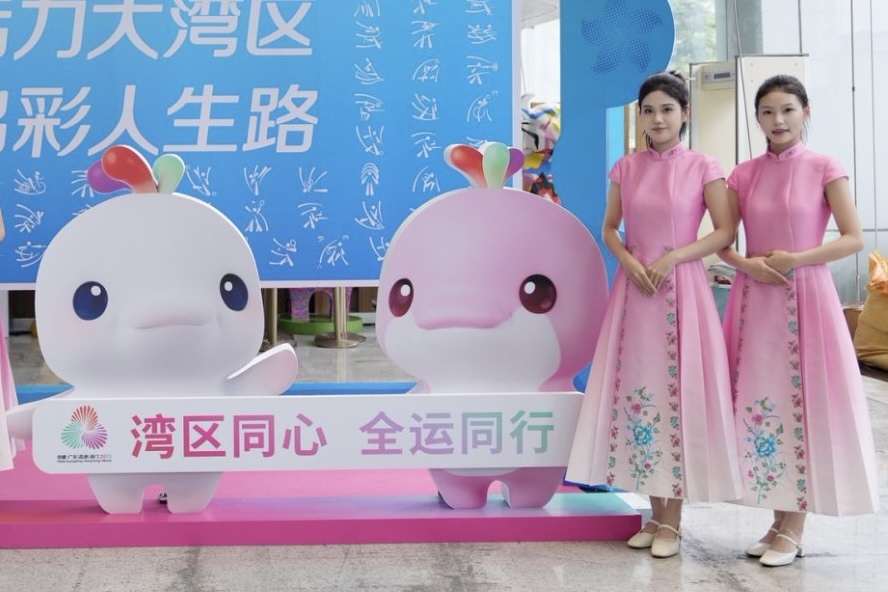
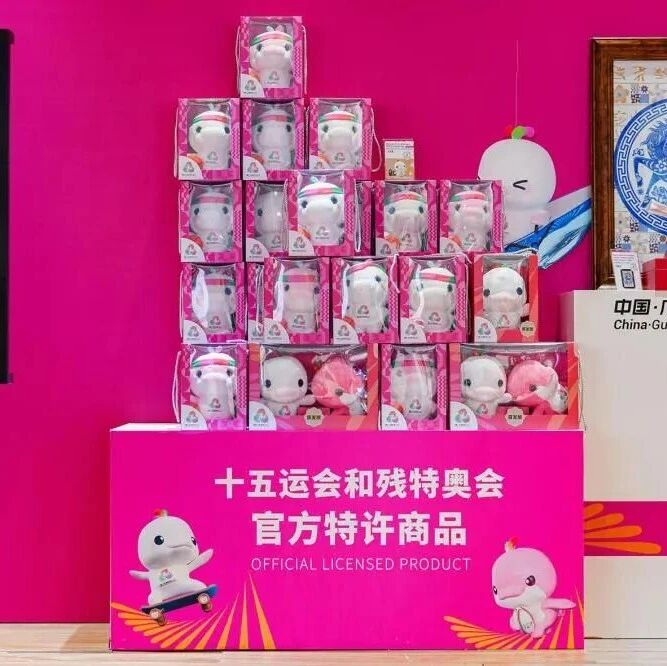
Core Viewpoint - The 15th National Games (referred to as "15th Games") serves as a significant platform for the economic development of the Guangdong-Hong Kong-Macao Greater Bay Area, acting as a "super connector" for regional growth and industrial upgrades [1][4]. Economic Impact - The 15th Games is expected to transform short-term "traffic" into long-term "increment" for the economy through brand value enhancement, sports consumption upgrades, and deep integration of industrial chains [1][4]. - Major sporting events historically boost local consumption, with ticket sales, sports merchandise, and related industries like tourism and hospitality seeing significant growth [3][4]. - For instance, the 2025 National Swimming Championships generated over 8 million yuan in ticket sales, while the Asian Table Tennis Cup attracted 130,000 spectators, yielding 72 million yuan in ticket revenue [3][4]. Consumption and Tourism - The event is anticipated to drive a comprehensive upgrade in regional sports consumption, particularly through initiatives like the "15th Games Ticket Discounts" program in Shenzhen, which involves nearly 150 local businesses [4]. - The integration of "sports + culture and tourism" is identified as a key strategy for expanding consumption, with cities launching themed travel routes to promote local attractions during the Games [4]. Technological Integration - The application of advanced technologies is a highlight of the 15th Games, with 78.6% of the 18 identified scenarios incorporating artificial intelligence [5]. - Innovations such as quadruped robots, AR navigation, and AI interaction systems are being utilized to enhance event management and spectator experience [5]. Infrastructure Development - The focus of the Games' preparations has been on upgrading existing venues rather than constructing new ones, emphasizing the dual-use of facilities for both event and post-event purposes [7][8]. - The Guangzhou Yuexiu Mountain Stadium, for example, has integrated smart fitness guidance systems to enhance public engagement post-Games [7][8]. Long-term Economic Strategy - The sponsorship scale for the 15th Games has reached a record high, with nearly 1.65 billion yuan in sponsorship agreements across 21 categories [11]. - The "City Partner" initiative in Guangzhou aims to create a new model for resource cooperation and investment attraction, leveraging the global attention from the Games [11]. Talent Development - National policies are supporting the integration of sports talent across the Greater Bay Area, facilitating cooperation among athletes, coaches, and technical personnel [12][13]. - The establishment of a sports talent recognition mechanism is being actively supported by relevant authorities to enhance professional development in the region [13].
“体育+”模式出圈!十五运如何把赛事做成区域经济“大生意”?
2 1 Shi Ji Jing Ji Bao Dao· 2025-11-03 10:21
Core Insights - The 15th National Games (referred to as "15th Games") is not only a sports event but also a significant window for the economic development of the Guangdong-Hong Kong-Macao Greater Bay Area [1] - The event serves as a "super connector" for regional development, driving economic growth and industrial upgrades through brand value enhancement, sports consumption upgrades, and deep integration of industrial chains [1][2] - The event is expected to catalyze a transformation in urban construction, investment attraction, and talent gathering in the Greater Bay Area, creating new opportunities for the sports and related industries [1] Economic Impact - Large-scale sports events significantly boost consumption in host cities, leading to increased sales in tickets, sports goods, and souvenirs, as well as growth in tourism, accommodation, dining, and transportation sectors [2] - Previous events have shown strong financial results, such as the 2025 National Swimming Championships generating over 8 million yuan in ticket sales and the Asian Table Tennis Cup attracting 130,000 spectators with a total ticket revenue of 72 million yuan [2] - The 15th Games is expected to enhance regional sports consumption, with initiatives like "discounts for ticket holders" in Shenzhen promoting deep integration of sports, culture, and tourism [2] Integration of Sports and Culture - The "sports + culture and tourism" model is key to expanding consumption, with cities launching themed travel routes during the Games [3] - Guangzhou has developed 50 unique travel routes that connect various attractions, stimulating the local cultural tourism industry [3] Technological Advancements - The application of smart technologies is a highlight of the event, with 78.6% of the 18 identified scenarios integrating artificial intelligence [5] - Innovations such as quadruped robots, AR navigation, and AI interaction systems are being utilized, accelerating the commercialization of these technologies [5] - The event aims to convert the influx of visitors into an economic increment of 5 billion yuan, promoting the integration of sports, culture, tourism, and technology [5] Infrastructure Development - The focus of the Games' preparation is on upgrading existing venues rather than constructing new ones, ensuring long-term utility for public fitness and sports industry development [6][7] - Facilities like the Guangzhou Yuexiu Mountain Stadium have been enhanced with smart fitness systems, while Shenzhen has built 46,000 sports facilities, promoting shared access [6][7] Long-term Vision - The sponsorship scale for the Games has reached a record high, with nearly 1.65 billion yuan in total sponsorship from various sectors [9] - The "city partner" initiative in Guangzhou aims to create a new model for resource cooperation and investment attraction, involving major companies like JD Group and XPeng Motors [9] - National policies support talent integration in the Greater Bay Area, facilitating cooperation among athletes, coaches, and technical personnel [10][11]