
AI医疗健康

Search documents
大模型会不会吃掉所有软件? AI眼镜或成AI时代超级入口
Shen Zhen Shang Bao· 2025-09-11 23:04
Group 1 - The 2025 Inclusion Bund Conference opened in Shanghai on September 11, focusing on "Reshaping Innovative Growth" [1] - Key discussions on the AI industry were held, featuring leaders from Ant Group, Xiaomi, and venture capital [1] - The rise of large models in AI has sparked debates about their potential to replace software, with investors highlighting a significant reduction in demand for collaborative software [1][2] Group 2 - Ant Group's CEO emphasized the irreplaceable value of specialized AI applications in healthcare, noting that AI should assist doctors rather than replace them [2] - Xiaomi's executive discussed the transformation of hardware through AI, predicting that AI glasses could create new interaction paradigms and have higher user engagement than AI phones [2] - The AI sector is expected to see explosive growth in applications next year, presenting numerous opportunities for entrepreneurs [2][3] Group 3 - The comparison of AI companies in China and the U.S. revealed that China excels in consumer-facing applications while the U.S. focuses on business-to-business [3] - There is significant entrepreneurial potential in vertical professional services, as highlighted by the leaders from Ant Group and Xiaomi [3] - Xiaomi's executive pointed out the need to leverage supply chain advantages and enhance user experience to successfully implement AI hardware in the market [3]

大模型会“吃掉”所有软件?韩歆毅、张雷、朱啸虎这样回答
财联社· 2025-09-11 15:32
Core Viewpoint - The discussion highlights the transformative impact of AI on user entry points, business models, and industry division, with insights from leaders in application, hardware, and investment sectors [1]. Group 1: AI's Impact on Software and User Retention - Investment expert Zhu Xiaohu believes that low-code and no-code software will be replaced by AI, particularly in editing and collaboration tools, leading to a significant decrease in user demand, potentially by 10% [2]. - Zhu emphasizes that user retention is the key metric for AI products, noting that the cost of user recall for AI products could be over ten times that of mobile internet products [2]. - Ant Group's CEO Han Xinyi argues that specialized AI applications in healthcare cannot be replaced by general models, as they address essential individual needs and can provide personalized services [2]. Group 2: AI as an Assistant in Healthcare - Han Xinyi states that AI cannot replace doctors in the short term and should function as an assistant, allowing doctors to focus on research and complex cases [3]. - The integration of AI into hardware is also significant, with Xiaomi's VP Zhang Lei highlighting the potential of AI glasses to create new interaction paradigms, noting that the usage frequency of AI glasses is already 6 to 7 times that of smartphones [3]. Group 3: Future Opportunities in AI - Zhu Xiaohu predicts a significant explosion of AI applications in the coming year, encouraging young entrepreneurs to explore opportunities in the field [4]. - He notes that while American AI startups focus on B2B, Chinese companies excel in C2C applications, suggesting that the differentiation lies outside of AI itself [4]. - Han Xinyi emphasizes the importance of focusing on high-quality data, professional capabilities, and ethical considerations in the healthcare AI sector rather than immediate commercialization [4]. Group 4: Human-Centric Approach to AI - Zhu Xiaohu asserts that all entrepreneurial efforts must return to human needs, which remain constant over time, with AI enhancing user experience and product forms [5].


金沙江创投朱啸虎:AI应用明年会迎来大爆发
Guo Ji Jin Rong Bao· 2025-09-11 11:37
Core Insights - The discussion at the 2025 Inclusion Bund Conference focused on how AI will reshape user entry points, business models, and industry divisions, with insights from leaders in application, hardware, and investment sectors [1] Group 1: AI Applications and Market Dynamics - The rise of large models has sparked competition over user entry points, with predictions that low-code and no-code software will be replaced by AI, particularly in editing and collaboration tools, potentially reducing user numbers by 10% [3] - User retention is the primary metric for investors in AI products, with the cost of user recall in AI potentially exceeding that of mobile internet products by over ten times [4] - Specialized AI applications in sectors like healthcare cannot be fully replaced by general models, as they address essential individual needs and can provide personalized services, with the goal of AI in healthcare being to assist doctors rather than replace them [4] Group 2: Hardware Innovations and User Interaction - AI is transforming hardware, with products like AI phones, glasses, and robots emerging, and the future opportunities will depend on the stickiness of these AI-enhanced hardware scenarios [4] - AI glasses are changing interaction logic from passive to active, with usage frequency of voice commands on AI glasses being 6 to 7 times higher than on mobile phones [5] Group 3: Entrepreneurial Opportunities and Market Trends - The AI sector is expected to see a significant explosion in applications next year, with new entrepreneurial opportunities emerging, particularly in the C-end market in China [6][7] - Successful AI companies in the US often focus on B-end applications, while Chinese companies excel in C-end, indicating a difference in user experience strategies [7] - In specialized service areas, there remains substantial room for entrepreneurial exploration, with a focus on high-quality data, professional capabilities, and ethical considerations being crucial for future developments [7][8]
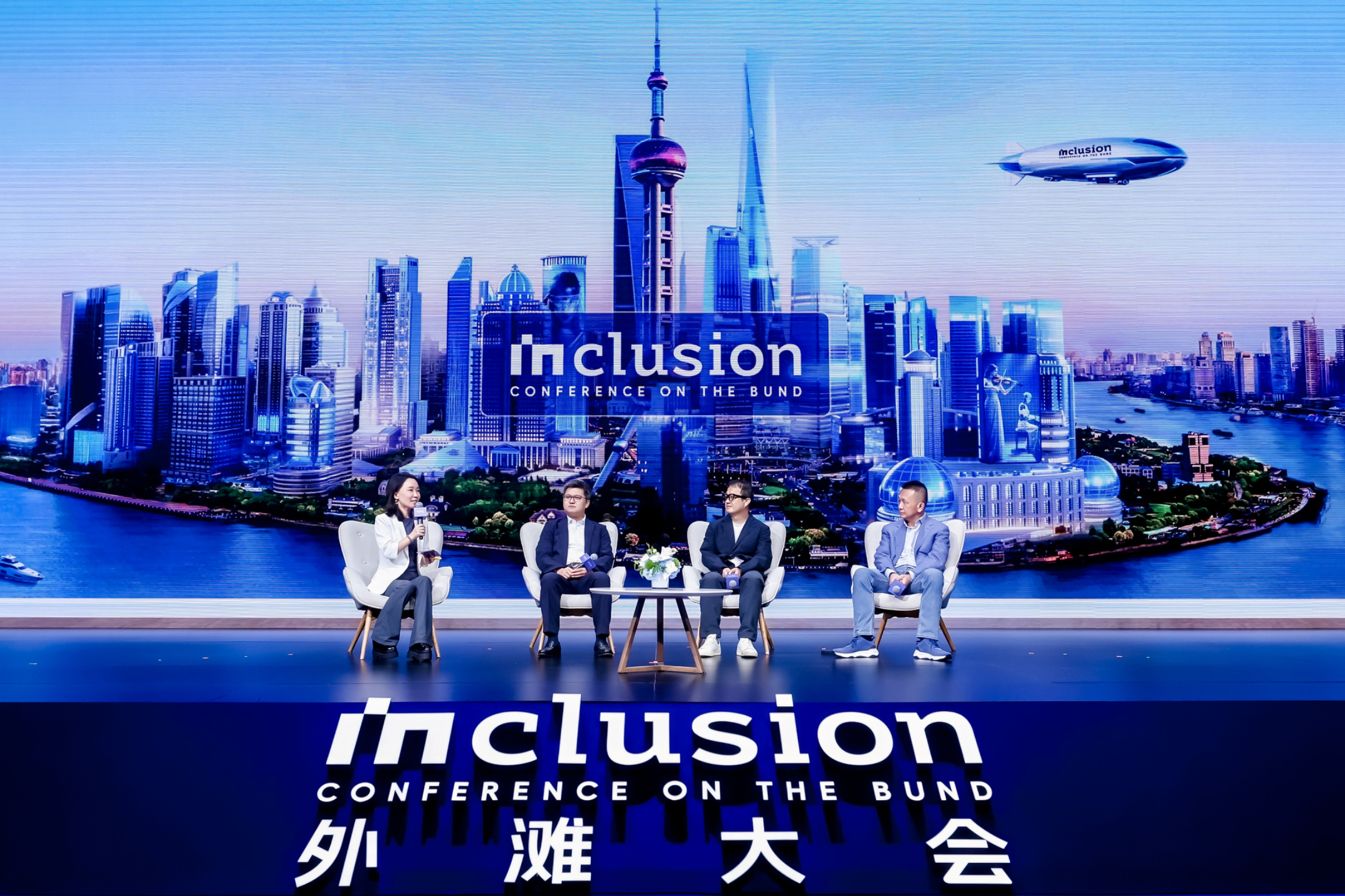
2025外滩产业圆桌最新论断:明年AI To C大爆发,垂类服务空间巨大
Zhong Jin Zai Xian· 2025-09-11 07:46
Group 1: Core Perspectives on AI's Impact - The discussion at the 2025 Inclusion·Bund Conference highlighted the transformative potential of AI in user entry points, business models, and industry division [1] - Investors are particularly focused on user retention as a key metric for AI products, with the cost of user recall in AI potentially being over ten times that of mobile internet products [3][4] - The consensus among industry leaders is that while AI can enhance various applications, it cannot fully replace professionals like doctors in the short term, emphasizing a "human-machine combination" approach [4] Group 2: Market Trends and Opportunities - The AI sector is expected to see a significant explosion in applications in the coming year, with opportunities for entrepreneurs to innovate in both B2B and B2C markets [5] - There is a notable difference in AI entrepreneurship between the U.S. and China, with the U.S. focusing more on B2B and China excelling in C-end products [5] - The importance of high-quality data, professional capabilities, and ethical considerations in AI applications, particularly in healthcare, was emphasized as critical for future success [5][6] Group 3: Hardware Innovations and User Engagement - AI is driving a reimagining of hardware, with products like AI phones, glasses, and robots emerging, and the potential for AI glasses to create new interaction paradigms [4] - Xiaomi's AI glasses are reportedly seeing interaction rates 6 to 7 times higher than their mobile counterparts, indicating a shift in user engagement [4] - The focus for hardware companies is on leveraging supply chain advantages and creating user-centric experiences to enhance product stickiness [5]
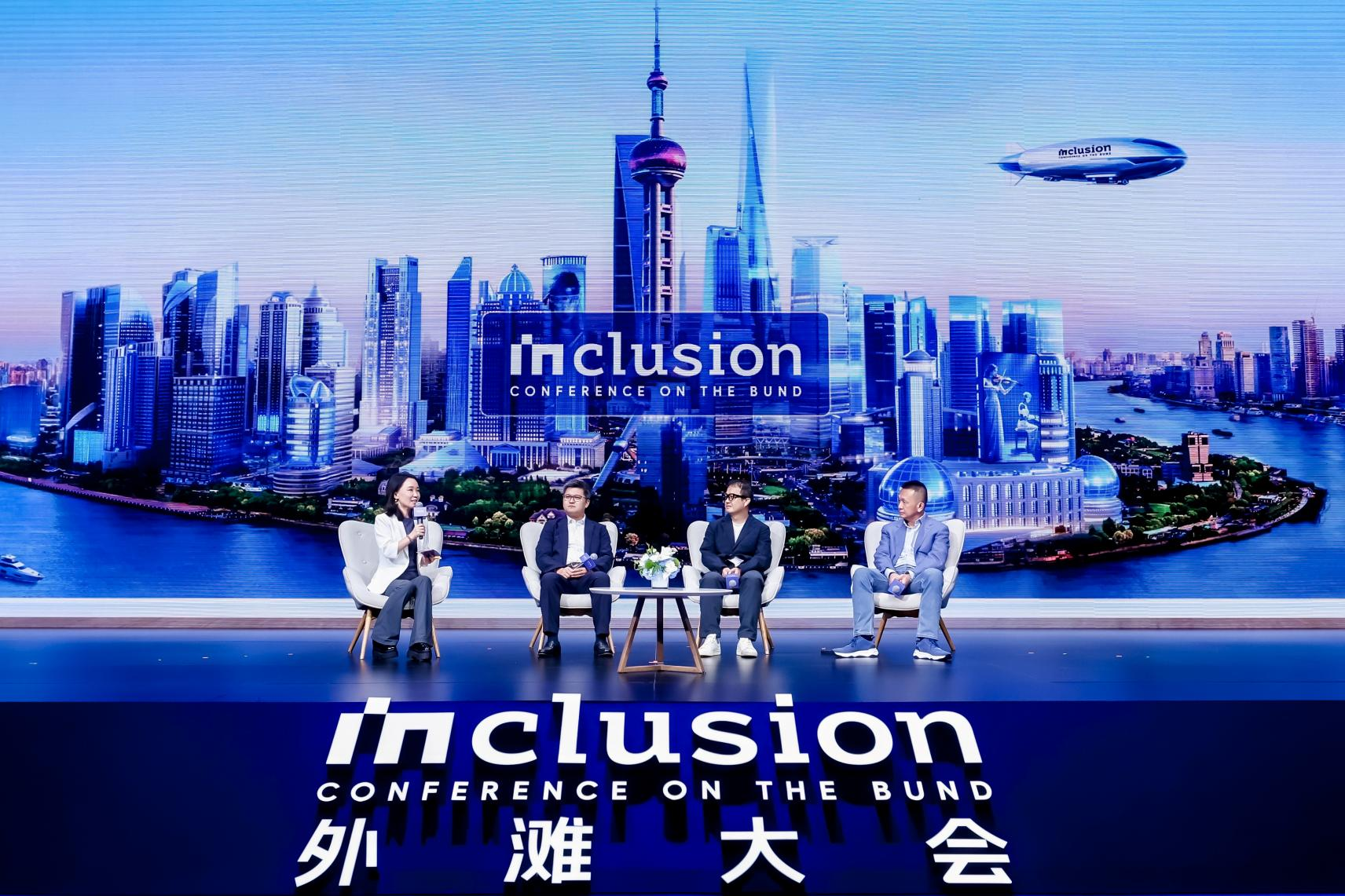
多合作项目发布 北京朝阳区聚焦“AI+精准诊疗”打造区域品牌
Xin Jing Bao· 2025-07-06 14:46
Group 1 - Chaoyang District is actively promoting the development of the digital healthcare industry, focusing on system and mechanism construction, establishing collaborative departments, and a dedicated team for digital healthcare advancement [1] - The district aims to enhance "AI + precision diagnosis and treatment" to build a regional brand, integrating basic research, application research, and concept validation for comprehensive development [1][2] - The healthcare industry in Beijing has become a significant economic pillar, with a total scale reaching 1.6 trillion yuan last year, marking a breakthrough beyond one trillion yuan [1] Group 2 - A joint initiative by nine departments in Beijing introduced 32 measures to support high-quality development in innovative pharmaceuticals, emphasizing the establishment of AI research centers and the development of AI applications in various medical fields [2] - Chaoyang District has been deepening the integration of AI and healthcare, creating a digital healthcare closed-loop transformation system that connects policy guidance, platform support, scene implementation, and enterprise collaboration [2] - Several important collaborative projects in the digital healthcare field were announced, including the establishment of AI hospitals and research centers, which aim to accelerate innovation and transformation in medical AI technology [3]