
AI眼镜S1

Search documents
CES 2026观察:AI眼镜并没有迎来iPhone时刻
Tai Mei Ti A P P· 2026-01-09 06:23
Core Insights - The CES 2026 highlighted AI glasses as a core topic, but failed to deliver groundbreaking innovations, indicating that the industry is still struggling to transition from niche products to mainstream necessities [1] - Despite promising growth projections, the AI glasses market has not yet crossed the gap from "geek toys" to "essential consumer products," suggesting that the anticipated explosion in demand may be more of an industry fantasy [1] Group 1: Exhibition Highlights - Several manufacturers showcased their innovations at CES, revealing both strengths and limitations in the current AI glasses market [2] Group 2: Company Innovations - Meta introduced the Ray-Ban Display series, featuring a micro-display and improved voice interaction, but faced limitations in field of view and battery life, indicating a focus on incremental innovation rather than breakthrough technology [3] - Thunder Innovation launched the X3 Pro Project eSIM, enabling independent communication and AI interaction, but its weight and eSIM subscription challenges may hinder widespread adoption [4] - XREAL presented the 1S model with advanced spatial computing capabilities, but its high price point and lack of quality AR content limit its market reach [5] - Quark's AI glasses S1 integrated various Alibaba services but struggled with competitive pricing and compatibility issues, reflecting a tension between high specs and market viability [7] - Rokid's lightweight glasses achieved a record low weight of 49 grams and strong sales, but compromised on camera quality and field of view, positioning it as a smart assistant tool rather than a full-fledged device [8] Group 3: Industry Challenges - The AI glasses industry faces three main barriers: technological limitations, unclear use cases, and fragmented ecosystems, which hinder the potential for explosive growth [9][10] - The "impossible triangle" of lightweight design, long battery life, and high performance remains unsolved, with current products often falling short of user expectations [9] - The lack of a unified operating system and collaboration with traditional optical retailers further complicates market development, leading to inconsistent product quality and consumer confusion [10] Group 4: Future Outlook - The AI glasses market is expected to remain in a phase of technological iteration and market education, with significant breakthroughs potentially taking 3-5 years [11] - The development of specialized low-power chips and advancements in optical technology are seen as critical for overcoming current limitations [11] - Price reductions and increased competition from companies like Xiaomi and Quark may drive market growth and improve product affordability [11] - The industry awaits a "killer app" or a revolutionary product that combines technological innovation, practical use cases, and ecosystem compatibility to trigger widespread adoption [12]


字节“撤回”了豆包眼镜,但市场已经准备好了
3 6 Ke· 2026-01-07 03:24
Core Viewpoint - ByteDance's "Doubao" AI glasses are set to enter the shipping phase, attracting significant attention despite the company stating there is no clear sales plan yet [1][3]. Company Summary - ByteDance is primarily responsible for the upper-level app development of the "Doubao" AI glasses, while Longqi Technology handles mass production and underlying UI development, reflecting a collaborative approach to mitigate risks associated with self-research [3]. - The AI glasses feature a self-developed spatial algorithm chip, weigh less than 50 grams, and require the Doubao app for operation, indicating ByteDance's cautious entry into the hardware market and exploration of AI monetization avenues [3][6]. - Longqi Technology has set a minimum order requirement of 1 million units for the AI glasses, showcasing ByteDance's confidence in the market and its commitment to the AI glasses sector [6]. Industry Summary - The recent policy announcement includes "smart glasses" in the subsidy range for digital and smart products, which is expected to stimulate market demand by lowering consumer costs [4][6]. - IDC forecasts that the global smart glasses market will exceed 23.687 million units shipped by 2026, with China expected to account for 45% of this market, indicating a significant growth opportunity [6][9]. - Major companies like Alibaba, Baidu, and China Telecom have already launched their smart glasses, with a notable increase in sales during the 2025 Double Eleven shopping festival, where AI glasses sales surged by 2500% year-on-year [7][9]. - Advances in optical technology and AI model evolution are enhancing the supply chain and user experience for smart glasses, while upcoming consumer subsidies are likely to further boost demand, leading to a competitive landscape referred to as the "hundred glasses war" [9][10].

消费电子ETF(561600)涨超1.3%,AI主线持续催化
Xin Lang Cai Jing· 2025-12-01 06:21
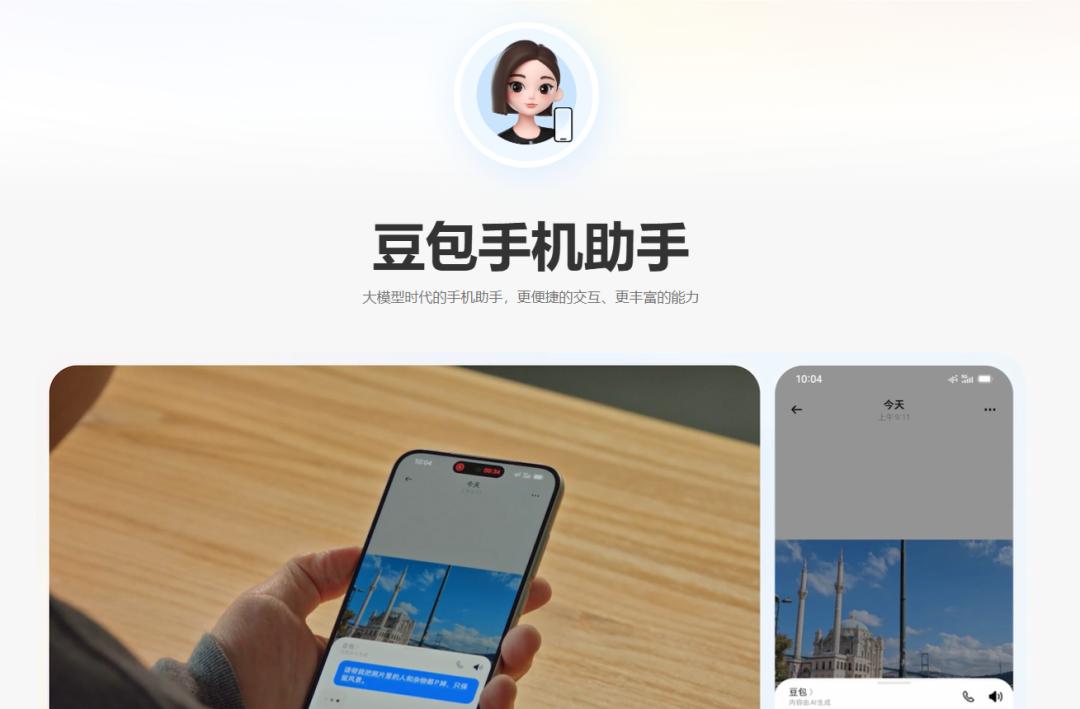
Core Insights - The consumer electronics sector is experiencing a significant rise, with the CSI Consumer Electronics Theme Index (931494) increasing by 1.26% as of December 1, 2025, driven by strong performances from key stocks such as Beijing Junzheng (300223) up 16.00% and Pengding Holdings (002938) up 9.99% [1][2] - The integration of AI into consumer electronics is advancing, highlighted by ByteDance's release of the Doubao Phone Assistant, which aims to collaborate with multiple smartphone manufacturers without developing its own hardware [1] - The terminal AI industry is heating up, with companies like Alibaba and Apple making significant strides in smart hardware and AI integration, indicating a strategic focus on the intelligent upgrade of consumer electronics [2] Industry Summary - The CSI Consumer Electronics Theme Index includes 50 companies involved in component production and brand design, reflecting the overall performance of the consumer electronics sector [2] - As of November 28, 2025, the top ten weighted stocks in the index account for 56.39% of the total index, with notable companies including Luxshare Precision (002475) and Cambricon Technologies (688256) [2] - The Consumer Electronics ETF (561600) closely tracks the CSI Consumer Electronics Theme Index, indicating a growing interest in this sector among investors [2][3]
AI周观察:戴尔服务器需求加速放量,Gemini活跃度持续上升
SINOLINK SECURITIES· 2025-11-30 08:07
Investment Rating - The report maintains a cautiously optimistic view on the company's medium to long-term profitability in AI infrastructure and corporate IT spending recovery [2][22]. Core Insights - The company achieved record high revenue and EPS in Q3 FY2026, driven by AI infrastructure demand and PC replacement cycles, with ISG showing double-digit growth for multiple quarters [2][12]. - Zscaler's Q3 FY2026 results showed strong performance with ARR reaching $3.2 billion, a 26% year-over-year increase, indicating sustained contract lock-in [2][25]. - The report highlights the need to monitor the pace of AI order fulfillment and the impact of rising storage costs on profit margins [2][22]. Summary by Sections AI Infrastructure and Server Demand - The company reported a revenue of $27 billion in Q3, a double-digit year-over-year growth, with ISG revenue increasing by 24% to $14.1 billion [12][17]. - AI server orders reached $12.3 billion in the quarter, with a backlog of $18.4 billion, indicating strong demand sustainability [17][22]. Zscaler Performance - Zscaler's revenue for Q3 was $788 million, reflecting a 26% year-over-year and 10% quarter-over-quarter growth, with a gross margin of 79.9% [25][27]. - The company anticipates FY2026 Q2 revenue between $797 million and $799 million, projecting a 23% year-over-year growth [26]. NAND and Storage Market Trends - NAND spot prices have stabilized, with demand remaining resilient despite high prices, indicating ongoing supply chain dynamics [23][24]. - The report notes a slight decline in storage business revenue but highlights the continued strong demand for proprietary storage solutions [18][22].