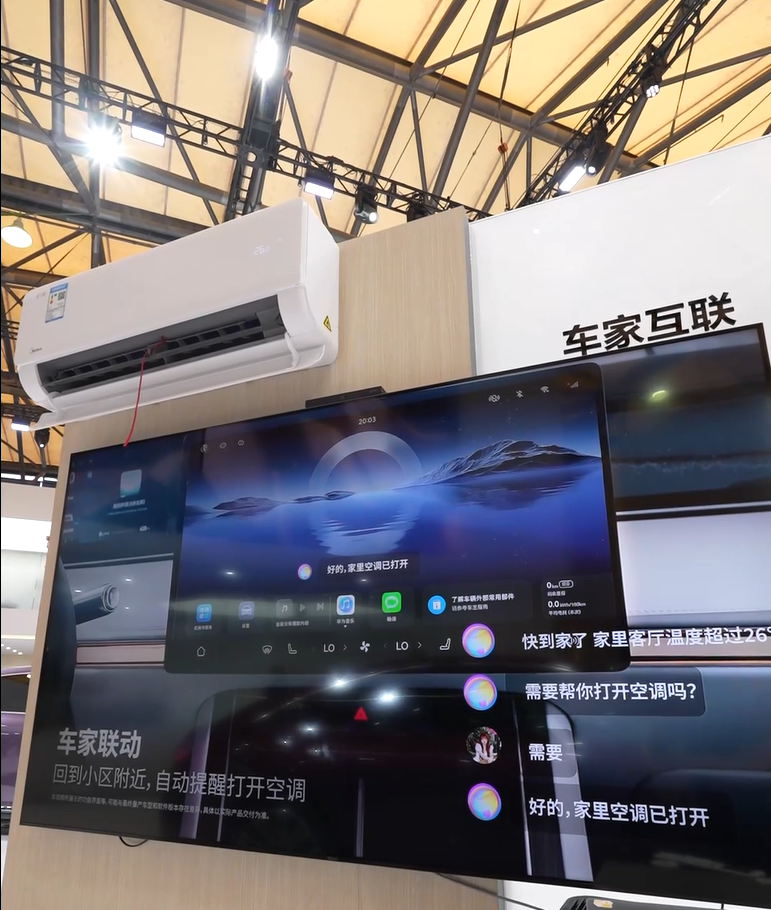
AI语音空调

Search documents
语音空调 “社交厨房” AI重塑广货基因
Nan Fang Du Shi Bao· 2026-01-28 23:12
Core Insights - Guangdong is transitioning from "scale manufacturing" to "smart creation" in the consumer electronics and home appliance sectors, driven by AI technology [2][3] - Leading companies like Huawei, Gree, and Midea are integrating advanced AI technologies into product innovation, production processes, and business models to enhance consumer experiences [3][4] Industry Trends - The "Guangdong Goods Going Global" event showcased over 400 AI smart hardware products, with 80% featuring AI capabilities, highlighting the competitive edge of Guangdong's products in meeting diverse consumer needs [4] - The smartphone market is facing growth challenges, prompting Guangdong mobile companies to embrace AI and launch innovative products that redefine consumer perceptions of smartphones [5][6] Product Innovations - Huawei's latest devices, equipped with the HarmonyOS, demonstrate full-stack independent innovation, enhancing connectivity in extreme environments through AI algorithms [4] - Vivo and OPPO are leading in mobile imaging, with products like the Vivo X300 Pro and OPPO Find X9 Pro utilizing AI for superior image quality and user experience [5] Smart Home Solutions - AI is transforming home appliances from mere functional tools to proactive lifestyle partners, creating new consumer demands for smart home solutions [6][7] - Companies like Midea and TCL are developing comprehensive smart home ecosystems, enhancing user interaction and convenience through AI technologies [6][7] Manufacturing Advancements - Guangdong's manufacturing sector benefits from a complete supply chain, enabling rapid product development and market responsiveness, exemplified by the "design today, product tomorrow" capability [8][9] - Gree's intelligent manufacturing factory has achieved a 200% increase in production efficiency and 100% digital coverage, showcasing the potential of AI in manufacturing [10] Strategic Vision - The Guangdong government emphasizes continuous innovation and adaptation in traditional industries to maintain competitiveness and create new value [6][10] - The integration of AI into manufacturing and product development is positioning Guangdong as a leader in the transition from a manufacturing province to an innovation hub [10]





爆发式增长、订单排到9月份!什么这么火?
Yang Shi Xin Wen· 2025-08-17 02:30
Group 1: Market Demand and Growth - Since June, many European countries have experienced high temperatures exceeding 40℃, leading to a surge in demand for air conditioners and fans [1] - Guangdong's air conditioner orders have significantly increased, with exports booming [2] - In the first seven months of the year, Zhongshan's exports of air conditioners to Europe reached 2.48 billion yuan, a year-on-year increase of 36.8% [5] Group 2: Product Innovation and Adaptation - Chinese home appliance companies are accelerating their entry into international markets with smarter, more efficient, and environmentally friendly products [3] - A company has introduced air conditioning products with wide-frequency compression technology and AI-powered solar energy storage features, which are well-received in Europe [3] - Companies are customizing products based on different countries' requirements, including voltage, environmental, and energy efficiency standards [5] Group 3: Export Performance - A company reported that its total order volume has exceeded 12 million units this year, with an overall growth of approximately 18% in the European market [3] - In the first seven months, Shenzhen's fan exports exceeded 6 billion yuan, with products sold to Africa, Southeast Asia, and the Americas [12] - A fan manufacturing company in Shenzhen has seen a twofold increase in exports this year, particularly to regions with energy shortages like Africa [10]
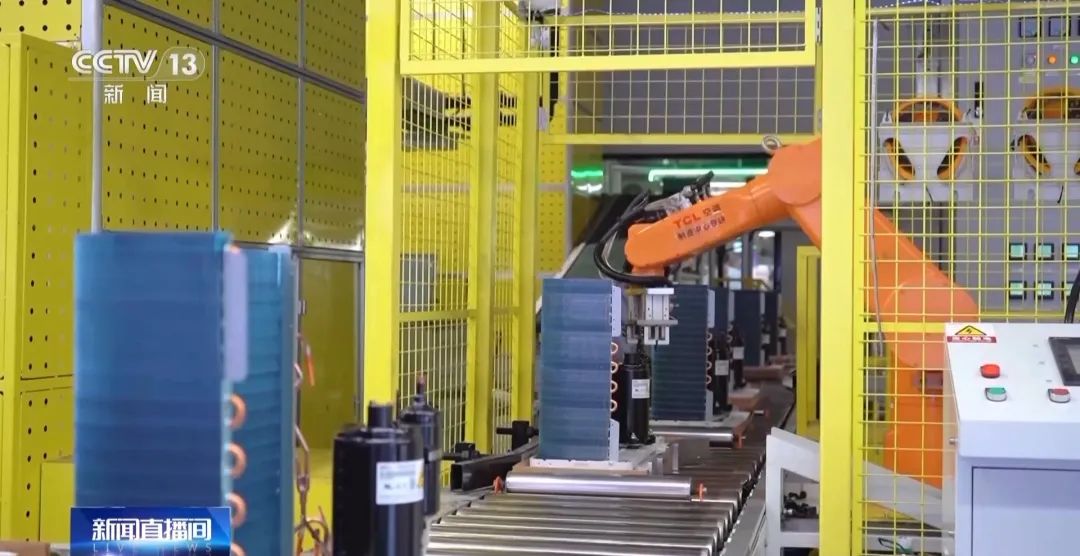
美的携手华为以鸿蒙生态重塑全场景智慧体验
Cai Fu Zai Xian· 2025-03-25 10:05
Core Viewpoint - Midea and Huawei are collaborating to reshape the smart home experience through the HarmonyOS ecosystem, aiming to create a comprehensive "human-vehicle-home" interconnected environment as the smart home and smart vehicle markets rapidly grow [1][11]. Market Trends - The smart home market in China is projected to reach 784.8 billion yuan in 2024 and exceed 800 billion yuan in 2025 [1]. - The penetration rate of new energy vehicles in China is expected to rebound to 54.1% by March 2025 [1]. Technological Collaboration - Midea has fully adapted its product line to the HarmonyOS since 2021, enabling seamless device connectivity through Huawei's NFC technology [3]. - The collaboration has evolved to enhance user experience, transitioning from passive responses to proactive sensing, exemplified by Midea's air conditioning system that adjusts airflow based on user positioning [3][5]. Standardization Efforts - Midea and Huawei are advancing the standardization process in the smart home sector by co-authoring the "Huawei HarmonyOS Smart Home Ventilation Gateway White Paper," which sets technical standards for smart ventilation device connectivity [6][7]. - Midea's split air conditioning system serves as a benchmark for this standardization, allowing users to optimize indoor air quality through integrated control of ventilation and air monitoring devices [7]. Ecosystem Development - The partnership aims to create an open ecosystem, enhancing the user experience through AI technologies and deepening collaboration across various sectors [10][11]. - Midea is integrating AI models to improve user interaction and energy efficiency in its air conditioning products, focusing on user habits and environmental conditions [10]. - The collaboration includes mutual channel access, with Midea introducing Huawei's products in its smart home stores and Huawei facilitating Midea's sales channels [10]. Future Outlook - The "human-vehicle-home" ecosystem exemplifies a model for the industry, with Midea expected to deepen partnerships and enhance the smart home service chain, driving high-quality development in the sector [13].