AI风储一体机

Search documents
我国风电装机规模已连续15年稳居世界第一
Yang Guang Wang· 2025-10-22 01:40
Core Insights - China's wind power installed capacity has maintained the world's largest position for 15 consecutive years, entering a new era of annual new installations exceeding 10 million kilowatts [1] - The introduction of AI-integrated wind power equipment by domestic companies aims to optimize electricity generation based on market prices, extending equipment lifespan by 5 years and increasing returns by 2% to 2.5% [1] - The first AI wind-storage integrated machine has been developed, which can enhance wind farm revenues by over 20% [1] Industry Overview - China's wind energy resources are abundant, with significant development potential, particularly in the "Three North" regions, which have over 75 billion kilowatts of economically viable onshore wind energy resources [2] - The reasonable development target for China's wind power during the 14th Five-Year Plan period is to achieve an annual new installed capacity of no less than 12 million kilowatts, aiming for a cumulative installed capacity of 1.3 billion kilowatts by 2030 and 5 billion kilowatts by 2060 [2] - The offshore wind energy resources within 300 kilometers have over 27 billion kilowatts of economically viable development potential and are entering a phase of large-scale commercialization [2]
风电行业从“内卷”到“外展” 新能源全面入市催生集成化创新
Zheng Quan Shi Bao· 2025-10-21 23:03
Core Insights - The 2025 Beijing International Wind Energy Conference and Exhibition highlighted the need for integrated innovation in the wind power sector, emphasizing the transformation of industry advantages into value advantages [2][3] - The "Wind Energy Beijing Declaration 2.0" set ambitious targets for China's wind power capacity, aiming for 1.2 million kilowatts of new installations annually during the 14th Five-Year Plan, with a cumulative capacity of 5 billion kilowatts by 2060 [3][6] Industry Trends - The wind power industry is experiencing a rebound in turbine bidding prices, but investment returns are becoming more volatile due to the broader entry of renewable energy into the market [2] - The introduction of AI models in wind turbines is enhancing operational efficiency and revenue generation through predictive analytics and intelligent diagnostics [4][8] Technological Innovations - Companies are focusing on developing "suitable network-type" technologies and smart grids to address the challenges posed by high proportions of renewable energy in the power system [5] - The integration of energy storage solutions with wind power is becoming a key strategy for companies, with products designed to enhance project profitability and operational resilience [7][8] Policy and Market Dynamics - The government is encouraged to improve policies supporting green hydrogen, direct green electricity connections, and zero-carbon parks to foster integrated development in the wind energy sector [6] - The shift towards a power market with increased participation from renewable sources is leading to greater price volatility, necessitating cost control measures for investment firms [3][4]


直击北京风能展: 风电行业从“内卷”到“外展” 新能源全面入市催生集成化创新
Zheng Quan Shi Bao· 2025-10-21 22:13
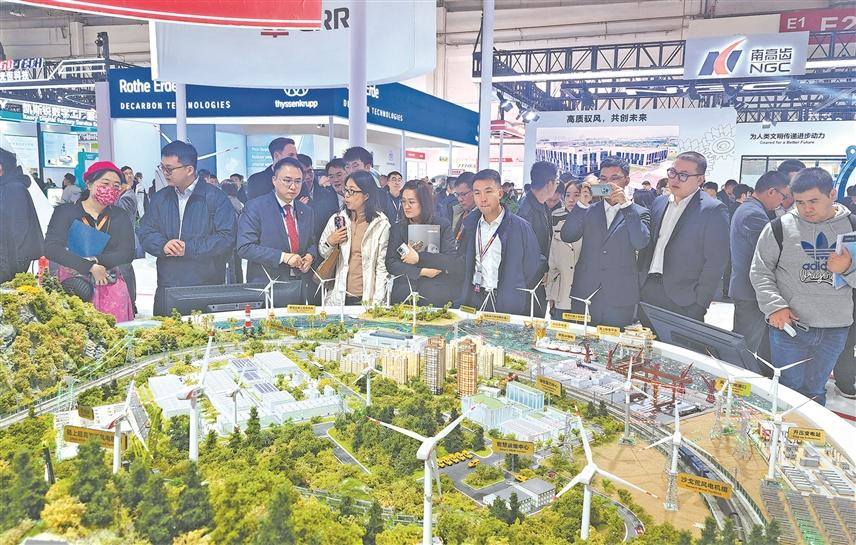
Core Insights - The 2025 Beijing International Wind Energy Conference and Exhibition highlighted the need for integrated innovation in the wind power sector, emphasizing the transformation of industrial advantages into value advantages through new models and business formats [1][5] Group 1: Industry Developments - The "Beijing Wind Energy Declaration 2.0" sets ambitious targets for wind power capacity, aiming for an annual increase of no less than 12 million kilowatts during the 14th Five-Year Plan, with cumulative capacity reaching 1.3 billion kilowatts by 2030 and 5 billion kilowatts by 2060 [2] - The introduction of AI models in wind turbines aims to enhance revenue through demand forecasting and price prediction, while also improving product development and operational efficiency [3][7] - The integration of multiple energy sources and industries is becoming a necessary trend, with a focus on policies that support green hydrogen, direct green electricity connections, and zero-carbon parks [5][6] Group 2: Technological Innovations - Companies are leveraging AI for intelligent diagnostics and planning in wind energy, with significant advancements in predictive modeling for weather and operational efficiency [3][7] - The development of "suitable network-type" technologies and smart grids is essential for addressing the challenges posed by high proportions of renewable energy in the power system [4] - New energy storage solutions, such as those from Goldwind Technology, are designed to enhance project profitability by integrating storage with wind energy generation [6] Group 3: Market Dynamics - The shift to a market-driven electricity pricing model has increased uncertainty for investment returns in renewable energy projects, necessitating cost control measures [2] - The competitive landscape for wind turbine procurement is evolving, with a focus on selecting optimal suppliers through detailed technical discussions [2] - The integration of renewable energy with traditional industries is seen as a pathway for optimizing and upgrading existing manufacturing processes [6]
直击北京风能展:风电行业从“内卷”到“外展” 新能源全面入市催生集成化创新
Zheng Quan Shi Bao· 2025-10-21 17:33
Core Insights - The 2025 Beijing International Wind Energy Conference and Exhibition highlighted the need for integrated innovation in the wind power sector, emphasizing the transformation of industry advantages into value advantages [1][5] - The "Beijing Wind Energy Declaration 2.0" set ambitious targets for wind power capacity, aiming for a cumulative installed capacity of 50 billion kilowatts by 2060 [2][5] - The introduction of AI models in wind turbines aims to enhance operational efficiency and revenue generation through predictive analytics and intelligent diagnostics [3][7] Industry Developments - The wind power industry has seen a rebound in turbine bidding prices since Q4 of last year, indicating a shift away from excessive competition [1] - The integration of multiple energy sources and industries is becoming a necessary trend, with calls for government policies to support green hydrogen, direct green electricity connections, and zero-carbon parks [5][6] - Companies are focusing on cost control and optimizing bidding processes to improve project profitability in a volatile market [2][3] Technological Innovations - AI technologies are being utilized to predict electricity demand and prices, thereby improving the profitability of wind farms [3][7] - New products like the "Galileo AI Wind Turbine" and integrated energy storage solutions are being showcased, demonstrating advancements in energy management and operational resilience [3][6][7] - The development of "suitable network-type" technologies and smart grids is essential for addressing the challenges posed by high proportions of renewable energy in the power system [4][5] Market Trends - The shift towards a power market with increased participation from renewables has led to greater price volatility, necessitating innovative business models and technological advancements [2][4] - The focus on integrated development includes collaboration between renewable energy and traditional industries, as well as the promotion of new energy applications in industrial heating [6][7] - Companies like Goldwind and Envision Energy are actively pursuing strategies to enhance project returns through integrated energy solutions and advanced storage technologies [6][7]
看价发电 中国风电变“聪明”了
Yang Shi Xin Wen· 2025-10-21 08:53
Group 1: Wind Power Development in China - China's wind power installed capacity has ranked first in the world for 15 consecutive years, with a cumulative grid-connected capacity of 580 million kilowatts, accounting for 15.7% of the national power generation capacity [2][3] - The annual new installed capacity of wind power is expected to exceed 100 million kilowatts, with a target of reaching 1.2 billion kilowatts during the 14th Five-Year Plan period and 5 billion kilowatts by 2060 [3][2] Group 2: Technological Advancements - Wind power equipment companies are increasingly integrating AI into their products, leading to smarter wind turbines that can adjust power generation based on electricity price fluctuations, potentially increasing efficiency and extending lifespan [4][5] - The introduction of AI-driven systems allows for minute-level responses in electricity trading, significantly improving operational efficiency and addressing the instability of renewable energy generation [6] Group 3: Regional Development and Economic Impact - The city of Fuxin, once reliant on coal, is transforming into a hub for wind power, with significant investments in wind turbine manufacturing and a growing local supply chain [8][9] - Fuxin is positioned as the only onshore wind power equipment industrial cluster in Liaoning Province, with major domestic wind power companies establishing manufacturing facilities in the area [9]
“数”里行间见证我国风电持续保持高速稳定发展 “AI+”引领新趋势
Yang Shi Wang· 2025-10-21 02:55
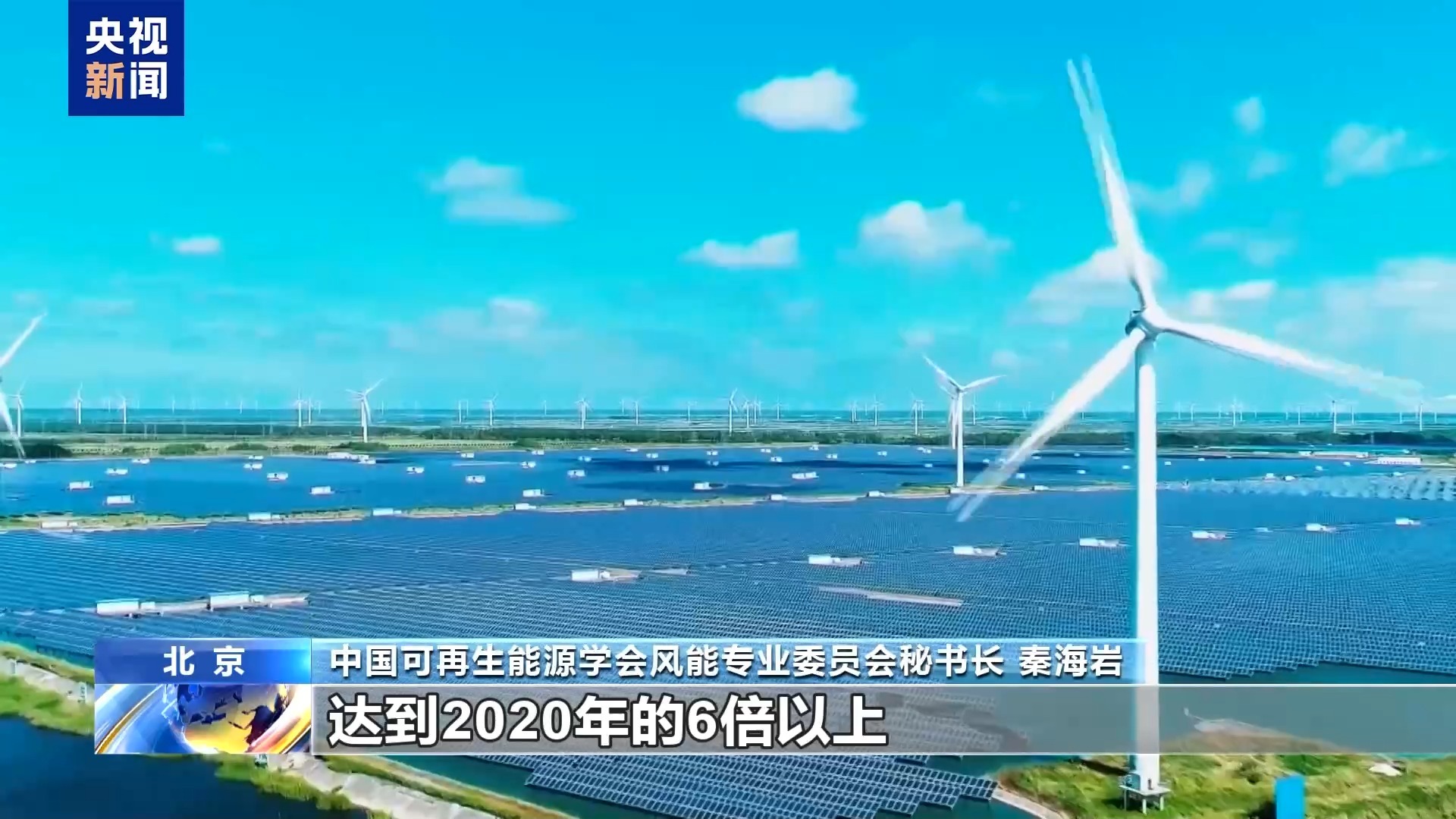
Core Insights - China's wind power installed capacity has ranked first in the world for 15 consecutive years, entering a new era of adding over 10 million kilowatts annually [1][3] - By 2035, non-fossil energy consumption in China is expected to exceed 30%, with total installed capacity of wind and solar power reaching over six times that of 2020, aiming to surpass 360 million kilowatts [1][3] Wind Power Development - As of now, the newly added wind power capacity in China exceeds 57.84 million kilowatts, with a cumulative installed capacity of 580 million kilowatts, accounting for 15.7% of the national power generation capacity [1] - Wind power generation from large-scale enterprises contributes to 10.1% of the total electricity consumption in society [1] Resource Potential - The "Three North" regions have an economic and technical development potential of over 750 million kilowatts for onshore wind energy, while the central and southeastern regions have over 250 million kilowatts [3] - Offshore wind energy resources within 300 kilometers have a development potential exceeding 270 million kilowatts, entering a phase of large-scale commercialization [3] International Expansion - Chinese wind turbine manufacturers are accelerating their international expansion, exporting to 57 countries across six continents, with seven manufacturers establishing or planning to establish overseas factories [5] Future Goals - The reasonable development target for China's wind power is to add no less than 12 million kilowatts annually during the 14th Five-Year Plan, aiming for a cumulative installed capacity of 1.3 billion kilowatts by 2030 and 5 billion kilowatts by 2060 [7] Technological Innovations - Wind power equipment companies are introducing AI-integrated innovations, enhancing the operational efficiency of wind turbines by allowing them to adjust output based on electricity price fluctuations, potentially increasing profitability by 2% to 2.5% [8][10] - The first AI-integrated wind and storage unit has been developed, which can significantly enhance the revenue of wind farms by over 20% [10] Market Reforms - A new policy mandates that all renewable energy projects must enter the electricity market, with prices determined through market transactions starting June 1, which presents new challenges for wind energy companies due to price volatility [12] Local Economic Impact - The rapid development of wind power has benefited regions like Fuxin in Liaoning, which is transitioning from a coal-based economy to a wind power industry hub, with significant investments in wind turbine manufacturing [16][18] - Fuxin has established itself as a key player in the wind power equipment industry, with a complete supply chain covering core components such as turbines, towers, motors, and electrical equipment [18]
从“有风就发”到“看价发电” 中国风电变“聪明”了
Yang Shi Xin Wen· 2025-10-20 23:38
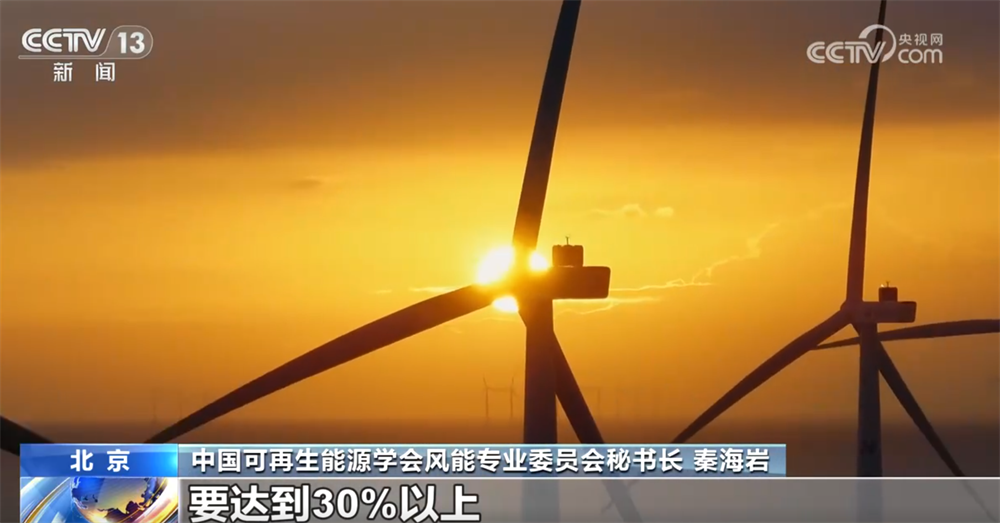
Core Insights - China's wind power installed capacity has ranked first in the world for 15 consecutive years, with a new era of annual additions exceeding 10 million kilowatts [1][3] - The total installed capacity of wind power in China is projected to reach 1.3 billion kilowatts by 2030 and 5 billion kilowatts by 2060 [5] - The integration of AI technology in wind power equipment is enhancing operational efficiency and profitability [5][7] Wind Power Capacity and Development - As of now, China's newly connected wind power capacity exceeds 57.84 million kilowatts, with a cumulative capacity of 580 million kilowatts, accounting for 15.7% of the national power generation capacity [1] - Wind power generation from large-scale enterprises contributes to 10.1% of the total electricity consumption in the country [1] - The "Three North" regions have over 75 billion kilowatts of economically and technically exploitable onshore wind energy resources [3] Technological Advancements - The introduction of AI-integrated wind turbines allows for flexible power generation based on electricity price fluctuations, extending the lifespan of turbines by 5 years and increasing yield by 2% to 2.5% [5] - The first AI wind-storage integrated machine has been developed, enhancing revenue from wind farms by over 20% [7] Market Dynamics and Challenges - Starting June 1, 2023, all new energy projects will enter the electricity market, with prices determined through market transactions, posing new challenges for wind power companies [9] - Smart algorithms are now involved in the entire electricity trading process, significantly improving efficiency and addressing the instability of renewable energy generation [11] Regional Development and Economic Impact - The city of Fuxin, once known for coal, is transforming into a hub for wind power, with significant investments in wind turbine manufacturing [12][14] - Fuxin has become a key location for the onshore wind power equipment industry cluster in Liaoning Province, with major domestic wind power companies establishing operations there [16]