AI API

Search documents
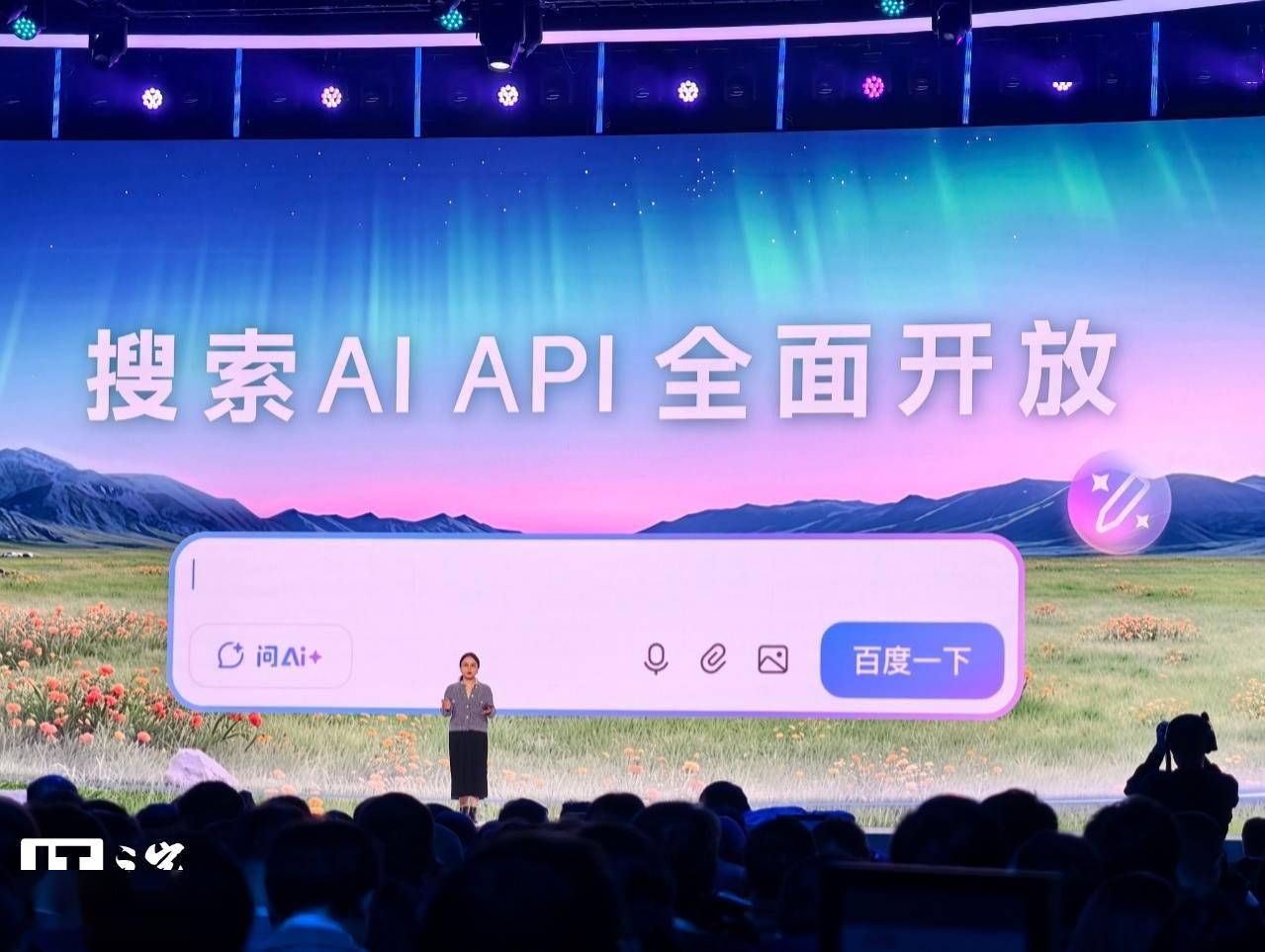
李彦宏:百度搜索绝大部分结果由 AI 生成,AI API 全面开放
Sou Hu Cai Jing· 2025-11-13 02:37
Core Insights - Baidu's search results are predominantly generated by AI, with 70% of the top results featuring rich media content such as images, videos, and live broadcasts [1][3]. Group 1: AI Integration in Search - Baidu is recognized as the most aggressive in AI transformation among global search engines, shifting from text-based results to a rich media-centric approach [3]. - The company has restructured its search results page to prioritize rich media content over traditional text links [3]. Group 2: Partnerships and API Development - Baidu has opened its AI search capabilities through an API, collaborating with major manufacturers like Samsung, Honor, and Vivo [3]. - A total of 625 companies have integrated Baidu's search API via Baidu Smart Cloud [3].


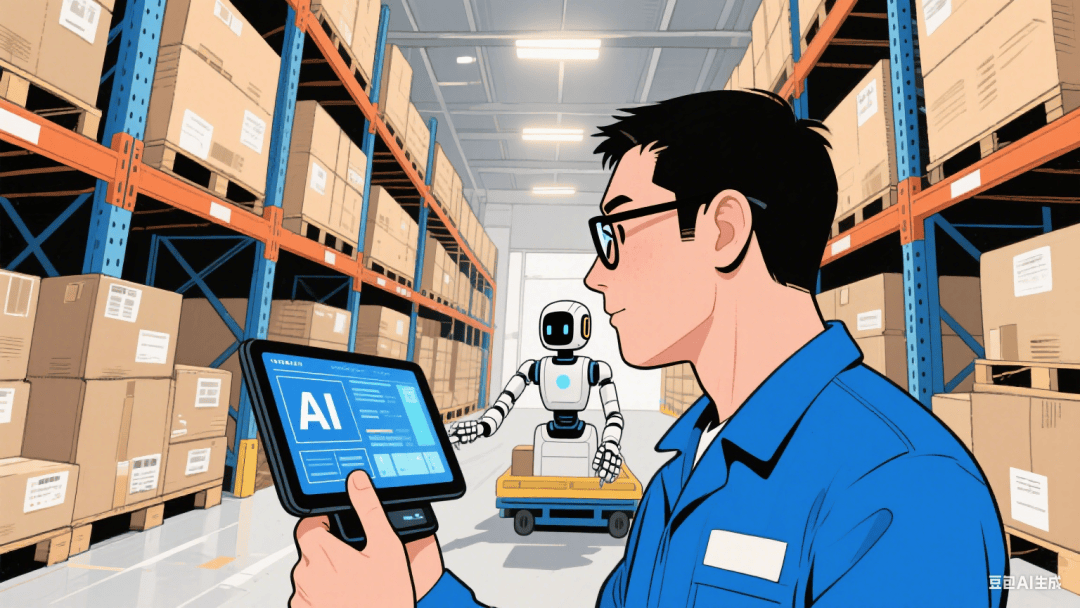
企业AI转型:2000万学费“买”来的15条教训
Sou Hu Cai Jing· 2025-07-01 00:55
Strategic Insights - The key to a successful AI strategy is not technological superiority but deep integration with business processes [2] - Not all problems are suitable for AI solutions; traditional methods can often provide more efficient and cost-effective results [3] - Pursuing long-term value in AI strategies often leads to greater success, as seen in the example of Amazon's investment in recommendation systems [4] - The ultimate measure of AI project success is the enhancement of business value, not the advancement of technology [5] Technical Considerations - The biggest barrier to AI implementation is not talent or funding, but "data silos" that hinder effective training and deployment of AI models [6] - Purchasing existing AI solutions is often more suitable for most companies than developing everything in-house [7] - Simpler, interpretable models are often more practical than complex models with large parameters [8] - The safety, ethics, and accountability of AI models are critical concerns that must be prioritized [9] Talent and Organization - Companies need talent that understands both business and AI, acting as a bridge between the two [10] - AI empowerment requires a culture where all employees understand AI's capabilities and limitations, rather than relying solely on a few experts [11] - Failures in AI projects are often due to organizational, cultural, and communication issues rather than technical shortcomings [12] - Cross-disciplinary talent is essential in the AI era to address the complexities of business [13] Implementation and Operations - AI deployment is not a one-time investment but requires ongoing optimization and monitoring [14] - Focusing on clearly defined small problems is often more successful than attempting to disrupt entire industries [15] - The user experience of AI tools is more important than the intelligence of the models themselves [17]