AP嫒彬

Search documents
AP嫒彬内地全线闭店 爱茉莉又要另起“新炉灶”?
2 1 Shi Ji Jing Ji Bao Dao· 2025-11-19 13:57
Core Insights - Amorepacific's high-end skincare brand AP嫒彬 is undergoing operational adjustments in the Chinese market, including the closure of its online and offline stores due to unsatisfactory market performance [4][7] - The brand's entry into the Chinese market was only a year ago, and it has struggled to establish a strong presence, with low fan engagement and limited product offerings [4][6] - The shift in consumer preferences towards domestic brands has significantly altered the competitive landscape, with local brands gaining traction over international ones [5][6] Company Strategy - Amorepacific is actively optimizing its brand portfolio to better serve Chinese consumers, indicating a strategic pivot towards more cost-effective and functional skincare products [4][6] - The introduction of the Aestura瑷丝特兰 brand, priced between 100 to 200 yuan, aims to capture market share by addressing the growing demand for safety and efficacy in skincare products [5][6] - The company is focusing on digital transformation and AI-driven strategies to enhance consumer engagement and adapt to market demands [8] Market Dynamics - The Chinese beauty market is projected to grow significantly, with skincare market size expected to exceed 400 billion yuan and color cosmetics reaching 120 billion yuan by 2025 [5] - A notable shift in consumer behavior has been observed, with a growing preference for domestic brands driven by cultural confidence and value rationality [5][6] - Amorepacific's recent performance shows a recovery, with a reported 8.5% revenue growth in the Greater China region, highlighting the resilience of the Chinese consumer market [8]


AP嫒彬内地全线闭店 爱茉莉又要另起“新炉灶”?丨美妆变局
2 1 Shi Ji Jing Ji Bao Dao· 2025-11-19 13:35
Core Insights - Amorepacific's high-end skincare brand AP has closed all its online and offline stores in China, indicating a strategic shift in its operations within the market [1][2] - The brand's performance in China has been disappointing, with low engagement and sales figures, prompting the company to reassess its market strategy [1][2] Company Strategy - Amorepacific aims to optimize resource allocation and enhance service efficiency for Chinese consumers through the adjustment of the AP brand [1] - The company has introduced another skincare brand, Aestura, which offers products at a more competitive price point of 100 to 200 yuan, targeting a different segment of the market [2][3] Market Dynamics - A significant shift in consumer preferences has been observed, with a growing inclination towards domestic brands over international ones, as evidenced by a survey indicating that by 2025, domestic brand preference will surpass that of international brands in the beauty and skincare sector [2] - The Chinese skincare market is projected to exceed 400 billion yuan by 2025, with the color cosmetics market reaching 120 billion yuan, highlighting the potential for growth in the sector [2] Performance Metrics - Amorepacific's revenue in the Greater China region grew by 8.5% in Q3 2025, reaching 1,060 billion won (approximately 5.2 million yuan), marking a significant recovery from previous years [4] - The company is focusing on digital transformation and AI-driven strategies to better meet the evolving demands of Chinese consumers [4]
加大对中国市场的投入 这家韩妆公司有新动作
Di Yi Cai Jing· 2025-08-06 14:55
Core Viewpoint - Amorepacific has been relatively quiet in the Chinese market compared to other international beauty giants, but it is now introducing its skincare brand AESTURA to cater to the growing demand for sensitive skin care in China [1][2]. Company Summary - Amorepacific's AESTURA brand focuses on the sensitive skin segment and plans to primarily sell online in China, with its first offline appearance scheduled for the China International Import Expo in November 2025 [1]. - The company reported a consolidated sales revenue of 1.16 trillion KRW in its Q1 report, marking a 15.7% year-on-year increase, with overseas sales growing by 40.5% to 473 billion KRW [2]. - Amorepacific appointed Taeho Park as the new president of Amorepacific China in April 2024, who has over 24 years of experience within the group [2]. Industry Summary - The overall market for sensitive skin in China is projected to exceed 30 billion RMB by 2024, indicating a significant growth opportunity [2]. - Industry experts suggest that Amorepacific's existing brands lack appeal to younger consumers, necessitating the introduction of new brands to capture market growth [3]. - The introduction of new brands is seen as a strategic move for Amorepacific to remain competitive in the rapidly evolving Chinese beauty market [3].
加大对中国市场的投入,这家韩妆公司有新动作
Di Yi Cai Jing· 2025-08-06 14:13
Core Insights - Amorepacific is introducing new brands to enhance its presence in the Chinese market, particularly in response to the declining momentum of its existing brands like Innisfree and Etude House [1] - The company has launched its skincare brand AESTURA, targeting the sensitive skin segment, with a primary focus on online sales in China [1] - The sensitive skin care market in China is experiencing significant growth, with a projected market capacity exceeding 30 billion yuan by 2024 [3] Company Developments - Amorepacific reported a consolidated sales revenue of 1.16 trillion KRW in its recent quarterly report, marking a 15.7% year-on-year increase, with overseas sales growing by 40.5% to 473 billion KRW [3] - The company appointed Taeho Park as the new president of Amorepacific China in April 2024, who has over 24 years of experience within the group [3] - Under Park's leadership, Amorepacific has implemented new market strategies, including the introduction of the high-end skincare brand AP in Shanghai [3] Industry Context - Other international beauty brands are expanding their market share, while Amorepacific's established brands lack appeal to younger consumers in China [4] - Industry experts suggest that introducing new brands is a preferred strategy for companies to attract the new generation of consumers in the competitive Chinese market [4]
爱茉莉太平洋重新加大对华投资,加码平价品牌
Xin Lang Cai Jing· 2025-08-04 06:16
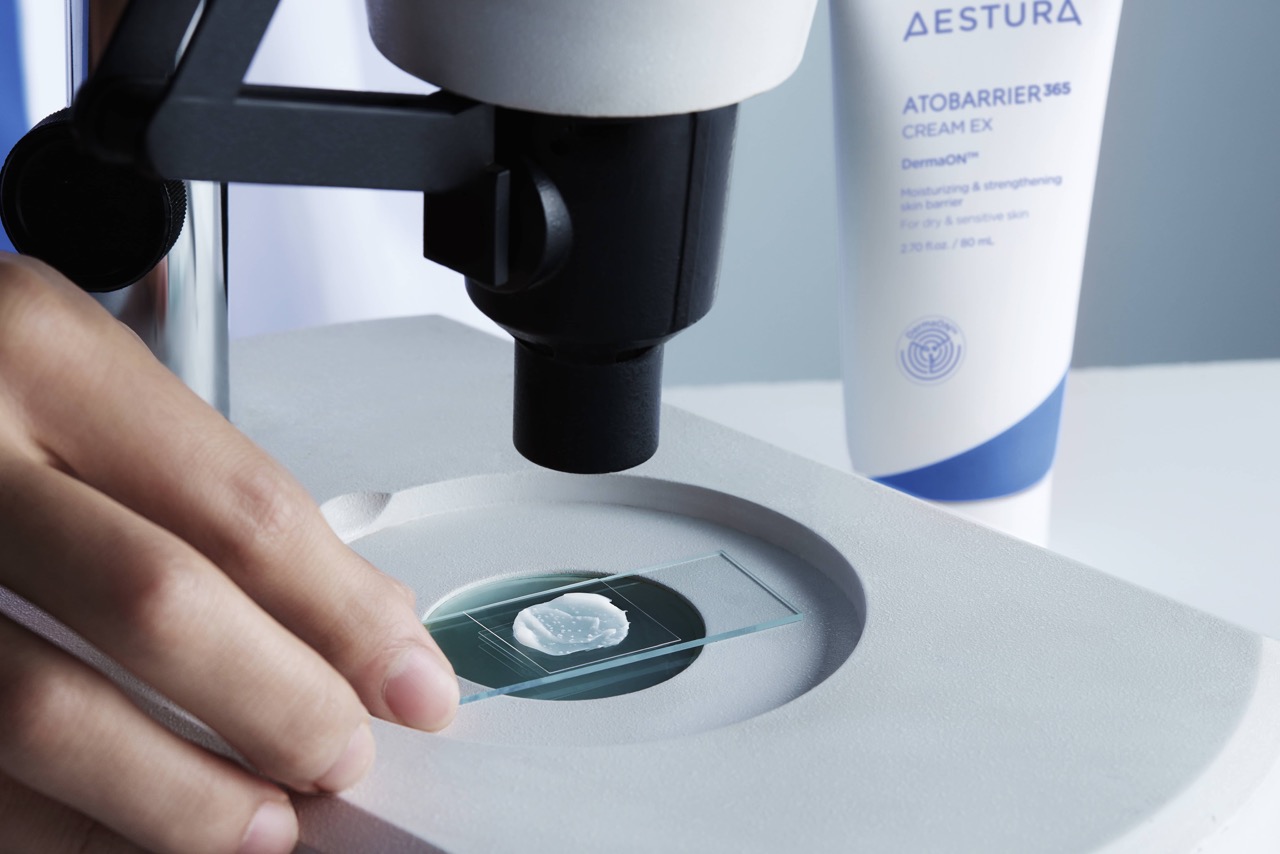
Core Viewpoint - Amorepacific is increasing its investment in the Chinese market, indicating a strategic shift to enhance local production and capitalize on the anticipated market recovery after a period of stagnation [1][2]. Group 1: Production and Market Strategy - Amorepacific plans to boost the operational rate of its Shanghai factory, which had been reported at only 15.3% for skincare and 15.9% for makeup production in Q1 2025, suggesting a near halt in operations [1]. - The company emphasizes that the Chinese market remains a core part of its global strategy, with local factories producing key brands like Innisfree and Laneige, and production levels fluctuating based on market dynamics [1][2]. - Despite previous challenges, the Chinese market showed signs of recovery in Q2 2025, achieving a year-on-year growth of 23.2% and profitability for two consecutive quarters [2]. Group 2: Brand Development and Market Positioning - Amorepacific is intensifying its investment in the AESTURA brand, launching online flagship stores on platforms like Tmall and Douyin starting July 2025 [4]. - AESTURA, which focuses on sensitive skin care, aims to penetrate the competitive market by pricing its products between 100 to 200 yuan, positioning itself as a cost-effective option [4][6]. - The sensitive skin care market in China is projected to grow from 300 billion yuan in 2023 to over 400 billion yuan by 2028, with a compound annual growth rate exceeding 6% [5]. Group 3: Competitive Landscape and Challenges - AESTURA's strategy to maintain a price point below 200 yuan reflects an attempt to gain market share in a mature segment, but it faces competition from established domestic brands like Winona and Yuze, which have stronger brand recognition and distribution [6][9]. - Amorepacific's high-end brand AP, which emphasizes "scientific skincare," has struggled to establish a significant presence in the Chinese market due to limited offline expansion and reliance on online channels [9][10]. - The company acknowledges the need to enhance brand recognition and consumer trust in the high-end segment, which increasingly relies on offline experiences and customer engagement [9][10].

独家|爱茉莉太平洋重新加大对华投资,加码平价品牌
Sou Hu Cai Jing· 2025-08-04 06:15
Core Viewpoint - Amorepacific is increasing its investment in the Chinese market, indicating a strategic shift to capitalize on the anticipated recovery of the market after a period of stagnation [1][2]. Group 1: Production and Operations - Amorepacific plans to enhance the operational capacity of its Shanghai factory, which has been underutilized, with skincare and makeup production lines operating at only 15.3% and 15.9% respectively in Q1 2025 [1]. - The company refuted claims of its factory being in a state of suspension, asserting that operations have been normal and production levels fluctuate based on market dynamics and resource optimization [1]. Group 2: Market Performance - The Chinese market has shown signs of recovery, with a 23.2% year-on-year growth in Q2 2025, marking two consecutive quarters of profitability for Amorepacific [2]. - The growth is partially attributed to a low base effect from the previous year [2]. Group 3: Brand Strategy - Amorepacific is intensifying its focus on the AESTURA brand in China, launching online flagship stores on platforms like Tmall, Douyin, JD.com, and Vipshop starting July 2025 [4]. - AESTURA, which targets sensitive skin, has previously relied on a network of local hospitals in Korea and aims to expand its reach in the Chinese market through online channels and collaborations with key opinion leaders [4][6]. Group 4: Market Trends - The sensitive skin care market in China has been growing rapidly, reaching a market size of 30 billion yuan in 2023 and expected to exceed 40 billion yuan by 2028, with a compound annual growth rate of over 6% [5]. - AESTURA's pricing strategy, with products priced between 100 to 200 yuan, aims to penetrate the competitive market by offering better value [6]. Group 5: Competitive Landscape - AESTURA faces competition from established domestic brands like Winona and Yuze, which have strong professional endorsements and market penetration [6]. - Amorepacific's high-end brand AP is struggling to establish a foothold in the Chinese market due to limited offline presence and reliance on online channels [9][10]. Group 6: Future Directions - Amorepacific plans to enhance its product offerings tailored to Chinese consumer needs and strengthen brand recognition in the market [11].