雪花秀

Search documents
深挖中东美妆的3个真相:为何高增长与高门槛并行?
FBeauty未来迹· 2026-03-23 12:06
Core Viewpoint - The Middle East beauty market is characterized by strong growth potential and consumer resilience despite ongoing geopolitical tensions, necessitating a nuanced understanding of the region's unique market dynamics [2][3]. Market Overview - The beauty and personal care market in the MENA region has surpassed $46 billion, with projections indicating double-digit growth in key segments like fragrance, hair care, and skin care from 2015 to 2027 [3]. - The changing growth logic in the global beauty market highlights the Middle East as a rare area capable of supporting both scale growth and brand premium [3]. International Beauty Groups in the Middle East - Major beauty groups are increasingly recognizing the Middle East's strategic importance, with companies like L'Oréal, Procter & Gamble, and Amorepacific reporting significant growth in the region [4][5]. - L'Oréal's market share in the Middle East has grown by 10.9%, while Amorepacific's brands have seen a remarkable 41.5% increase [4]. - Procter & Gamble's sales in the IMEA region, which includes the Middle East, contributed 5% to its annual net sales, indicating strong performance [4]. Competitive Landscape - The Middle East beauty market features four main competitors: Western brands, Korean beauty brands, local Middle Eastern brands, and emerging Chinese brands [9]. - Western brands dominate the market due to their established distribution networks and brand recognition, while Korean brands excel through product detail and localization [9][10]. - Local brands leverage cultural relevance and social media influence to connect with consumers, exemplified by brands like Huda Beauty and Moonglaze [13][15]. Challenges for Chinese Brands - Chinese beauty brands are still in the exploratory phase in the Middle East, facing challenges related to brand recognition and consumer trust [18][21]. - Successful entry into the market requires not only product quality but also effective consumer education and localized marketing strategies [21][25]. - The regulatory landscape is complex, with varying compliance requirements across different countries, making it essential for brands to navigate these regulations effectively [22][23]. Consumer Preferences and Market Dynamics - Middle Eastern consumers exhibit a strong preference for high-quality, culturally relevant products, with sensitivity to product details such as scent and texture [26]. - The market's complexity necessitates a deep understanding of local consumer behavior, which differs significantly from other regions [26]. - Brands must establish trust and credibility through compliance, effective communication, and a genuine understanding of local culture to succeed in this market [24][26].





爱茉莉太平洋换帅,中国区重回“华人操盘”时代
FBeauty未来迹· 2026-03-03 13:25
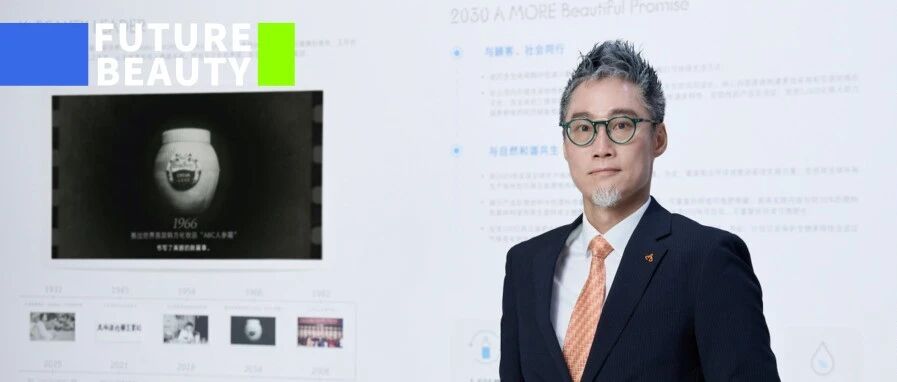
Core Viewpoint - Amorepacific Group has appointed Daniel Hui as the new president of Amorepacific China, marking the third leadership change in four years, reflecting the company's urgent need for external perspectives to overcome growth challenges in the Chinese market [3][7][10]. Group 1: Leadership Change - Daniel Hui, with over 20 years of consulting experience at McKinsey and a background in retail and e-commerce, was promoted to president just five months after joining as vice president [7][8]. - This appointment signals Amorepacific's strategy to seek a leader with diverse expertise to navigate the complexities of the Chinese market [8][12]. Group 2: Financial Performance - In 2025, Amorepacific reported a sales revenue of 46,232 billion KRW, a year-on-year increase of 8.5%, and an operating profit of 3,680 billion KRW, up 47.6%, marking the highest profit since 2019 [15][16]. - The Greater China region saw a slight sales increase of 0.5%, indicating a potential recovery in the market after previous declines [18]. Group 3: Market Challenges - The Korean beauty industry is facing significant competition from local brands and changing consumer preferences, necessitating a strategic shift for Amorepacific [20][22]. - Key challenges include the need to rejuvenate high-end branding, capture efficacy-driven market segments, and adapt to the intensifying online competition [20][22]. Group 4: Strategic Adjustments - Amorepacific has been restructuring its brand portfolio and channel strategies, including the closure of underperforming brands and the introduction of new products, such as the professional skincare brand Aestura [22][24]. - The company is focusing on sustainable practices and has released its 2024 ESG report, emphasizing its commitment to environmental, social, and governance standards [26][27]. Group 5: Industry Context - The leadership changes in multinational companies in China reflect a broader trend towards localization, with a growing emphasis on understanding and adapting to the unique dynamics of the Chinese market [27]. - The appointment of local leaders is seen as essential for navigating the complexities of consumer behavior and market demands in China [27].
雪花秀被传中国二线市场撤柜30家
Sou Hu Cai Jing· 2025-12-17 06:55
Core Insights - Sulwhasoo is reportedly planning to close around 30 stores in China, primarily in second-tier cities, with significant reductions in cities like Nanning and Suzhou [2][4] - Amorepacific's representative denied claims of Sulwhasoo exiting the Chinese market, emphasizing its strategic importance [2] - The decline of high-end Korean cosmetics, including Sulwhasoo, reflects a shift in consumer preferences and cultural narratives in China [2][6] Company Overview - Sulwhasoo, a high-end herbal skincare brand under Amorepacific, has been in the Chinese market since 1992, establishing a strong presence in premium beauty sectors [3][4] - At its peak, Sulwhasoo had over 180 stores across more than 80 cities in China, but is now undergoing significant store closures [4] Market Trends - From 2019 to 2024, Sulwhasoo's market share in China's skincare sector has been declining since peaking in 2021, with its scale nearly halved [4] - The brand's strategy is shifting from broad coverage to deep penetration, focusing on high-net-worth consumers in first and new first-tier cities [5][11] - The overall Korean cosmetics market in China is experiencing a downturn, with a notable cultural shift away from Korean beauty products [10][11] Financial Performance - Amorepacific's revenue in 2023 fell by 10.5% to 4.021 trillion KRW (approximately 216.3 billion RMB), with a 44.1% drop in operating profit [8] - In the Chinese market, revenue reportedly decreased by about 20%, indicating significant challenges [8] - Despite a slight recovery in 2025, the Greater China region's revenue continued to decline by 27%, highlighting ongoing struggles [8][10] Competitive Landscape - The competitive environment for high-end cosmetics is intensifying, with local brands gaining traction through innovation and cultural resonance [11] - The shift in consumer preferences towards domestic brands and changing beauty standards is contributing to the challenges faced by Korean cosmetics [6][11]
韩妆又火了,这次不是在中国
3 6 Ke· 2025-11-26 02:59
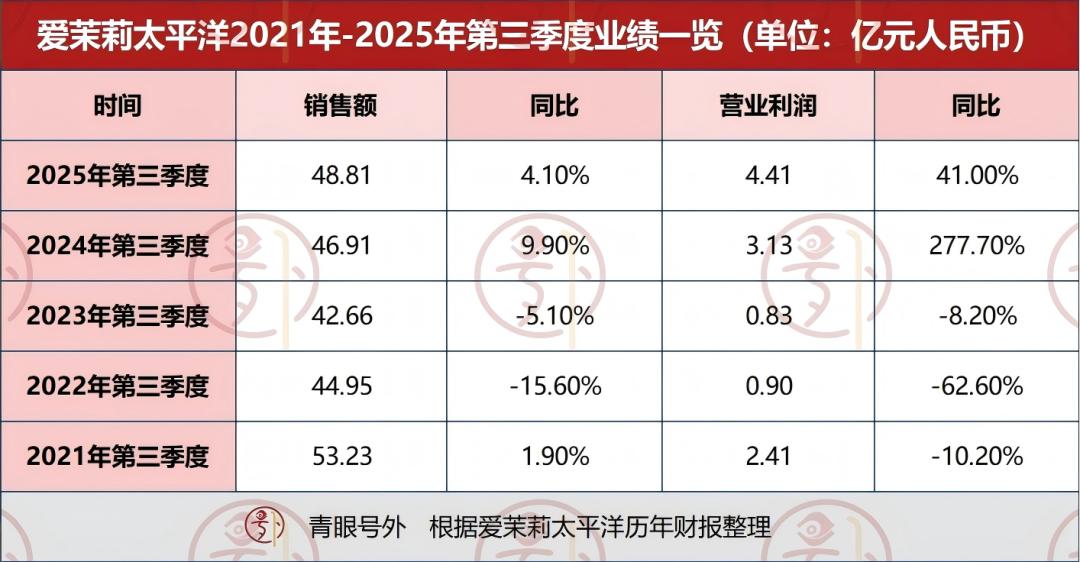
Core Insights - The Korean cosmetics industry is experiencing a global resurgence, with exports reaching $8.52 billion (approximately 604.07 billion RMB) in the first three quarters of 2025, marking a 15.4% year-on-year increase and setting a historical record for the same period [1][17] - The focus of this resurgence is shifting away from China, as the proportion of Korean cosmetics exports to China fell below 20% for the first time in the first half of 2025 [1][10] - Major players like Amorepacific and LG Household & Health Care are diversifying their markets, targeting growth in North America, Japan, and Europe [10][15] Group 1: Amorepacific Performance - Amorepacific's sales in Q3 2025 reached 10.169 trillion KRW (approximately 48.81 billion RMB), a 4.1% increase year-on-year, with operating profit soaring by 41% to 919 billion KRW (approximately 4.41 billion RMB) [4][6] - The company reported a total sales figure of 30.894 trillion KRW (approximately 148.29 billion RMB) for the first three quarters of 2025, reflecting a 10.6% year-on-year growth [6] - The cosmetics segment contributed significantly, with sales of 27.555 trillion KRW (approximately 132.27 billion RMB), up 10.15% year-on-year, accounting for 89.2% of total revenue [6] Group 2: LG Household & Health Care Performance - LG Household & Health Care reported a sales decline of 6.1% in the first three quarters of 2025, totaling 48.83 trillion KRW (approximately 234.38 billion RMB), with operating profit down 41.4% [7][9] - In Q3 2025, the company achieved sales of 15.8 trillion KRW (approximately 75.84 billion RMB), a decrease of 7.8% year-on-year, with the beauty segment experiencing a significant drop of 26.5% [9][10] - The company attributed its struggles to a major restructuring of traditional channels, which severely impacted duty-free retail [9] Group 3: Market Diversification - Korean cosmetics companies are increasingly focusing on overseas markets, with Amorepacific's overseas sales in Q3 2025 reaching 440.8 billion KRW (approximately 21.16 billion RMB), accounting for 43.4% of total sales [10][12] - LG Household & Health Care's overseas sales grew by 6.6% to 493 billion KRW (approximately 23.66 billion RMB), representing 31% of total sales [12] - The shift away from reliance on the Chinese market is evident, with Amorepacific's sales to China dropping to 10.4% and LG's to 9% in Q3 2025 [10][12] Group 4: Strategic Initiatives - Companies are pursuing global diversification strategies, including acquisitions of local brands and partnerships with major e-commerce platforms like Amazon and Shopee [14][15] - Amorepacific is prioritizing markets in the U.S., Japan, and Europe while adjusting its strategy in China to focus on high-quality growth [15][19] - LG Household & Health Care is also restructuring its global business, emphasizing the Americas and targeting younger consumers with new products [15][19]
在进博会感知消费新趋势
Zhong Guo Jing Ji Wang· 2025-11-10 14:35
Group 1: Core Insights - The China International Import Expo (CIIE) serves as a platform for global companies to showcase products and understand new consumer trends in China [1][2] - Amorepacific showcased over 20 new products making their debut in China, focusing on personalized skincare solutions and addressing specific consumer needs [1][2] - The demand for health-oriented products is rising, with companies like Laiyifen integrating national health strategies into their product offerings [2][3] Group 2: Industry Trends - The expo highlighted a shift towards health-conscious consumer preferences, with products featuring low-fat, low-GI, and no additives gaining attention [2][3] - AI solutions were prominently featured, indicating a trend towards smart healthcare services that enhance patient interaction and address healthcare challenges [3][4] - Companies are transitioning from being equipment suppliers to service providers, with a focus on comprehensive AI solutions to improve healthcare efficiency and safety [4]

“天价离婚案”落幕!
中国基金报· 2025-08-21 13:13
Core Viewpoint - The long-standing "high-profile divorce case" involving Liren Lizhuang has concluded, with the share transfer completed, marking a significant change in the company's ownership structure [2][4]. Group 1: Shareholder Changes - On August 21, Liren Lizhuang announced that the share transfer related to the divorce dispute between Huang Tao and his ex-wife Weng Shuhua has been completed. Huang Tao's shareholding decreased from 32.46% to 28.28%, while Weng Shuhua became a significant shareholder with 16,747,538 shares, accounting for 4.18% of the total shares [4][5]. - The market value of the shares obtained by Weng Shuhua is approximately 172 million yuan, reflecting an increase of over 40% since the court ruling [6]. Group 2: Business Performance - Liren Lizhuang's revenue has drastically declined from 4.155 billion yuan in 2021 to 1.728 billion yuan in 2024, a reduction of nearly 60%. The company is projected to incur a loss of 30 to 42.5 million yuan in the first half of 2025, reversing from profit to loss year-on-year [9]. - The termination or shift to a light operation model of partnerships with international brands like L'Oreal and Sulwhasoo in 2024 has led to a 38.39% drop in traditional e-commerce retail revenue [10]. - The company's transformation process is lagging behind its peers, with Tmall platform revenue still accounting for 73.43% in 2024, while emerging channels like Douyin only represent 18%. Although self-owned brands like Yuyongchun and Meiyitang saw a 140% revenue increase, they still contribute less than 10% to total revenue [12]. Group 3: Recent Shareholder Transactions - In April, Liren Lizhuang announced that Alibaba's subsidiary, Hangzhou Haoyue, transferred 70.38 million shares (17.57% of total shares) to Beijing Linlang Huancai Consulting Partnership at a price of 6.9 yuan per share, totaling 486 million yuan. This transaction marked the end of Alibaba's investment relationship with Liren Lizhuang since 2012 [14][16]. - Linlang Huancai, established in March 2025, has a registered capital of 515 million yuan, but its financial data appears weak, with only 5,036 yuan in revenue and a net profit of 5,010 yuan in 2024, and no revenue with a net loss of 74 yuan in the first quarter of 2025 [17][18].

中小美妆从巨头口中夺食,成了TOP1?
3 6 Ke· 2025-08-10 01:29
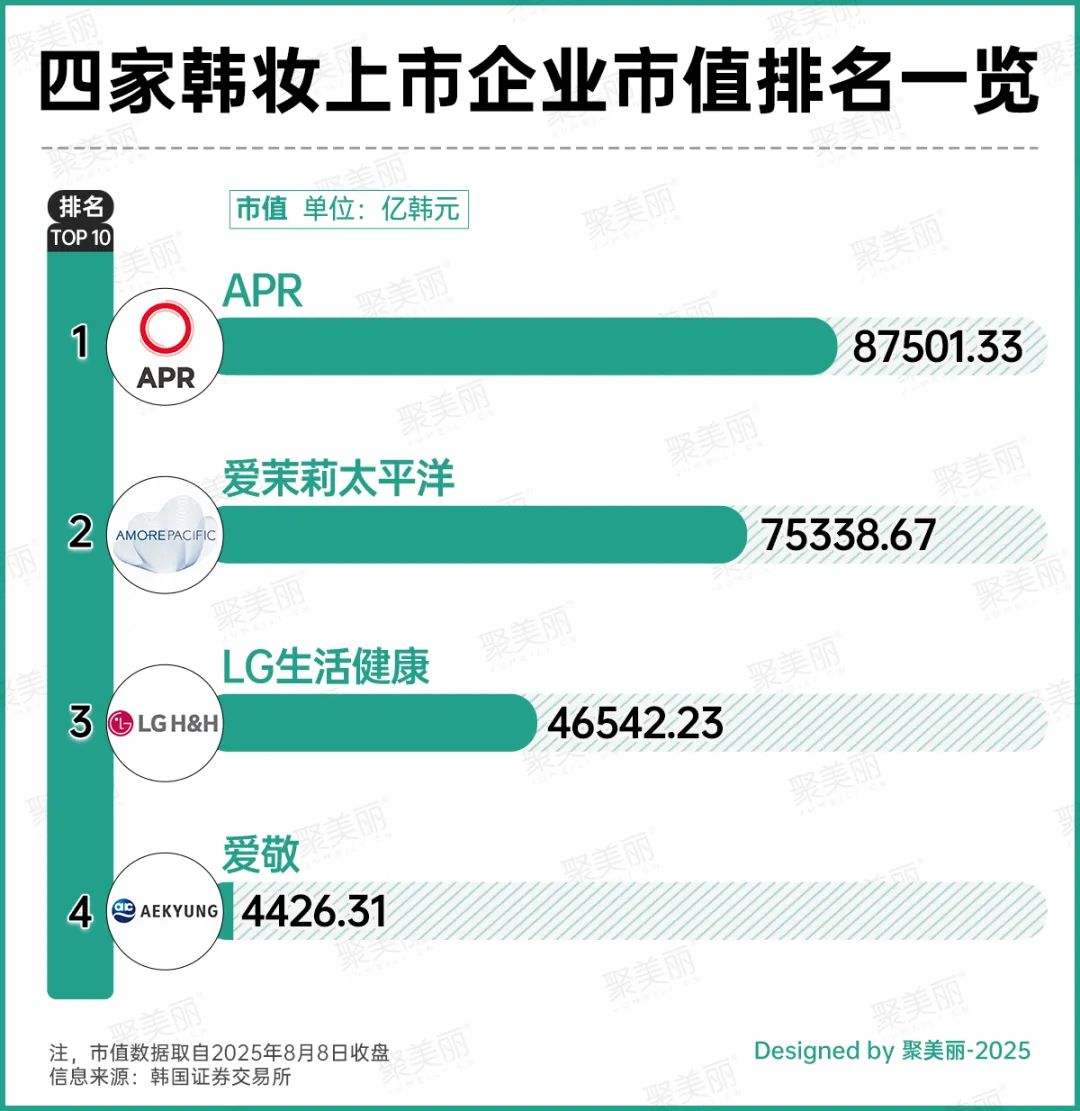
Core Insights - The South Korean beauty market is undergoing significant changes, with the rapid rise of new players like APR, which has seen its stock price soar by 200% this year, surpassing established giants like LG Household & Health Care and Amorepacific in market capitalization [1][3][4] - Traditional beauty companies such as LG Household & Health Care and Aekyung are facing severe challenges, including declining profits and the need to sell assets or repay debts [3][4][10] - The overall competitive landscape in the Korean beauty industry is shifting, with new entrants gaining market share while established companies struggle [4][44] Group 1: Performance of Established Companies - LG Household & Health Care's beauty segment has seen a dramatic profit drop of 70%, with overall revenue down by 5.3% year-on-year [10][12][13] - Aekyung's revenue decreased by 5.9%, with a nearly 50% drop in operating profit, indicating a significant decline in performance [13][23] - Amorepacific reported a 5.2% increase in domestic sales, contrasting with APR's 7.5% decline in the same market [9][16] Group 2: Performance of New Entrants - APR's revenue from cosmetics and beauty surged by 186.1%, with a notable increase in operating profit by 149.4% year-on-year [18][19] - APR's market capitalization has reached approximately 87501.33 billion KRW (about 452.64 billion RMB), making it the top company in the Korean beauty sector [1][4] - The company has also reported significant growth in international markets, with sales in North America and Japan increasing by 236.3% and 280.9%, respectively [5][37] Group 3: Market Trends and Challenges - The Korean beauty market is experiencing a shift, with established brands losing ground to smaller, innovative companies that are gaining traction [44] - Despite challenges in the domestic market, some companies like Amorepacific are seeing growth in international markets, particularly in North America and Japan [37][40] - The overall export of Korean beauty products to China has declined by 10.8%, highlighting the need for strategic adjustments in overseas markets [34][33] Group 4: Strategic Adjustments - Companies are adjusting their strategies in response to market conditions, with Amorepacific focusing on e-commerce and reducing physical store presence in China [31][29] - LG Household & Health Care and Aekyung are also exploring online channels to boost sales, indicating a broader trend towards digital transformation in the industry [31][33] - The competitive landscape is expected to continue evolving, with new entrants likely to challenge established players further [44]
加大对中国市场的投入 这家韩妆公司有新动作
Di Yi Cai Jing· 2025-08-06 14:55
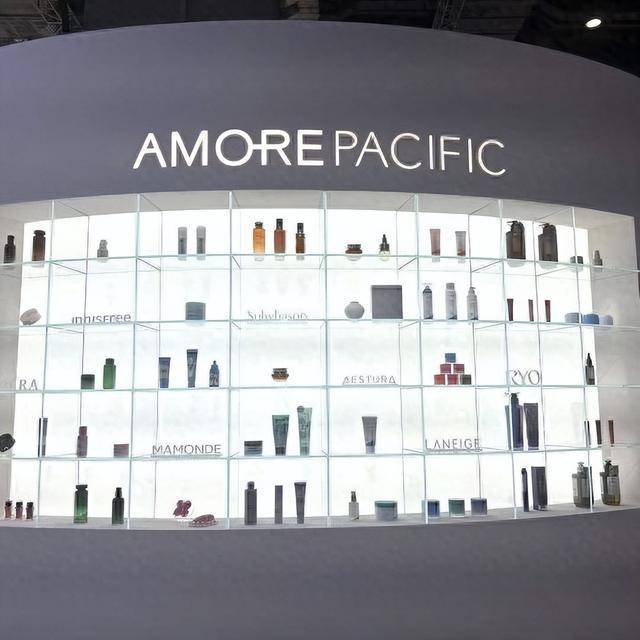
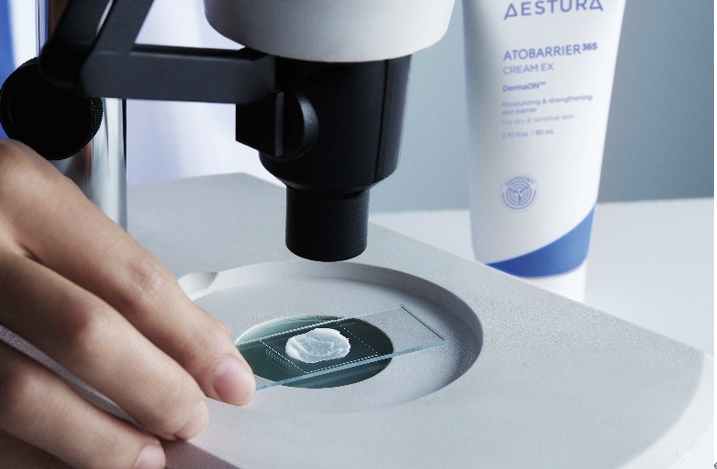
Core Viewpoint - Amorepacific has been relatively quiet in the Chinese market compared to other international beauty giants, but it is now introducing its skincare brand AESTURA to cater to the growing demand for sensitive skin care in China [1][2]. Company Summary - Amorepacific's AESTURA brand focuses on the sensitive skin segment and plans to primarily sell online in China, with its first offline appearance scheduled for the China International Import Expo in November 2025 [1]. - The company reported a consolidated sales revenue of 1.16 trillion KRW in its Q1 report, marking a 15.7% year-on-year increase, with overseas sales growing by 40.5% to 473 billion KRW [2]. - Amorepacific appointed Taeho Park as the new president of Amorepacific China in April 2024, who has over 24 years of experience within the group [2]. Industry Summary - The overall market for sensitive skin in China is projected to exceed 30 billion RMB by 2024, indicating a significant growth opportunity [2]. - Industry experts suggest that Amorepacific's existing brands lack appeal to younger consumers, necessitating the introduction of new brands to capture market growth [3]. - The introduction of new brands is seen as a strategic move for Amorepacific to remain competitive in the rapidly evolving Chinese beauty market [3].
加大对中国市场的投入,这家韩妆公司有新动作
Di Yi Cai Jing· 2025-08-06 14:13
Core Insights - Amorepacific is introducing new brands to enhance its presence in the Chinese market, particularly in response to the declining momentum of its existing brands like Innisfree and Etude House [1] - The company has launched its skincare brand AESTURA, targeting the sensitive skin segment, with a primary focus on online sales in China [1] - The sensitive skin care market in China is experiencing significant growth, with a projected market capacity exceeding 30 billion yuan by 2024 [3] Company Developments - Amorepacific reported a consolidated sales revenue of 1.16 trillion KRW in its recent quarterly report, marking a 15.7% year-on-year increase, with overseas sales growing by 40.5% to 473 billion KRW [3] - The company appointed Taeho Park as the new president of Amorepacific China in April 2024, who has over 24 years of experience within the group [3] - Under Park's leadership, Amorepacific has implemented new market strategies, including the introduction of the high-end skincare brand AP in Shanghai [3] Industry Context - Other international beauty brands are expanding their market share, while Amorepacific's established brands lack appeal to younger consumers in China [4] - Industry experts suggest that introducing new brands is a preferred strategy for companies to attract the new generation of consumers in the competitive Chinese market [4]
在中国遇冷的韩国化妆品,为何在美国销量暴涨? | 声动早咖啡
声动活泼· 2025-06-30 09:27
Core Viewpoint - The article discusses the decline of Korean cosmetics in the Chinese market and their resurgence in the U.S. market, highlighting the factors contributing to these trends. Group 1: Decline in Chinese Market - Korean cosmetics, once popular in China due to hit dramas and celebrity endorsements, have seen a significant decline, with Amorepacific reporting a 30% year-on-year drop in sales in the Greater China region [1] - In 2021, China accounted for 53% of Korea's cosmetics exports, but this figure is projected to drop to around 25% by 2024, with the U.S. market showing the largest growth, nearing 20% of total exports [1] Group 2: Resurgence in U.S. Market - Korean cosmetics are making a comeback in the U.S. market, aided by the popularity of the 10-step skincare routine and the influence of social media platforms like TikTok and Instagram [2][6] - Amorepacific has initiated brand revitalization efforts, including rebranding its high-end skincare line Sulwhasoo and hiring well-known celebrities as brand ambassadors, leading to double-digit sales growth for brands like Laneige [3][5] - The introduction of a wider range of product shades to cater to diverse skin tones has significantly boosted sales, as seen with the brand Tirtir, which expanded from 3 to 40 shades [5] Group 3: Market Dynamics and Consumer Behavior - The influence of K-culture, including K-dramas and K-pop, continues to drive consumer interest in Korean cosmetics in the U.S. market [7] - The absence of tariffs on most Korean cosmetics due to the U.S.-Korea Free Trade Agreement has made these products more competitively priced compared to local brands [7] - The "lipstick effect" suggests that consumers are more willing to try affordable and innovative Korean cosmetics during economic downturns [7] Group 4: Distribution and Marketing Strategies - Korean brands are increasingly focusing on offline retail experiences, signing long-term leases in key locations to attract local consumers [8] - Initiatives like the opening of Olive Young stores in the U.S. aim to enhance consumer exposure to Korean beauty products [10] Group 5: Challenges Ahead - Korean cosmetics companies face challenges such as stricter U.S. FDA regulations and potential tariff impacts due to changing political climates [11]