CheggMate

Search documents
从DeepSeek恐慌到Cowork恐慌
3 6 Ke· 2026-02-08 23:50
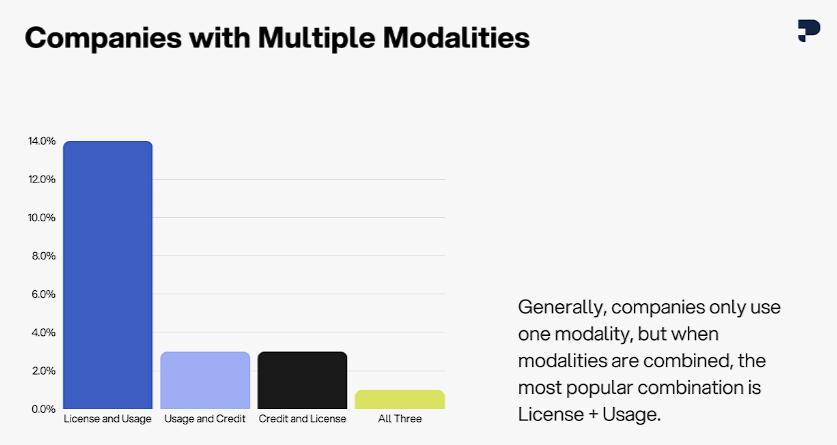
Core Insights - The software sector is experiencing a significant sell-off, termed "SaaSpocalypse," with major companies like Thomson Reuters and Salesforce facing steep declines in stock prices, with the S&P 500 Software and Services Index dropping nearly 13% over five trading days and 26% from its October peak [1] - The launch of Anthropic's Claude Cowork, a general AI agent capable of interacting with user files, has raised concerns about the viability of traditional SaaS business models, as users may achieve results comparable to expensive enterprise software through natural language commands [1] - The current market panic mirrors a previous incident involving DeepSeek, which also caused a rapid sell-off in tech stocks, highlighting a pattern of investor reaction to emerging AI technologies [2][3] Market Reactions - The sell-off triggered by Cowork has been more prolonged than the DeepSeek panic, with the latter's effects dissipating within a day, while Cowork's impact has spread over a week, affecting markets globally [5] - The Cowork panic is driven by a closed-source model from a U.S. company, contrasting with DeepSeek's open-source model from China, suggesting a deeper challenge to established software companies [4] SaaS Pricing Models - Traditional SaaS companies are transitioning from fixed pricing models to usage-based pricing due to the increased efficiency and accessibility of AI, with 79 out of 500 tracked companies adopting point-based pricing, a 126% increase year-on-year [8] - Companies like Salesforce have struggled with pricing strategies, leading to a shift towards usage-based models as they face rising operational costs [8] AI Integration Challenges - Traditional software companies face resistance to price increases associated with AI integration, as seen in Microsoft's case, where customers rejected higher fees for AI features [9] - Many established firms are struggling to effectively incorporate AI into their existing products, leading to inefficiencies and a lack of user engagement [9] Emerging Trends - The rise of Vibe Coding, which allows individuals and companies to create their own tools, poses a threat to traditional software sales, as businesses may prefer to develop customized solutions rather than purchase third-party software [11] - The demand for software is shifting towards solutions that address specific, non-standard needs, indicating a potential decline in the traditional SaaS model [13]


教育公司的 AI 分水岭:增长、效率与重塑价值的三种答案
3 6 Ke· 2025-11-27 02:11
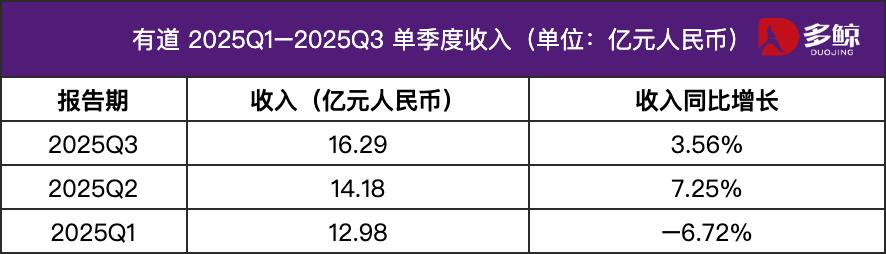
Core Insights - The education industry is shifting focus from "digital transformation" to "AI native" solutions, as evidenced by the distinct trajectories of three representative companies: Youdao, Duolingo, and Chegg, highlighting the profound impact of AI on educational business models [1] Youdao - Youdao's transformation is marked by a significant shift in revenue structure, with online marketing services surpassing learning services for the first time in Q3 2025, generating 7.4 billion RMB, a 51.1% increase year-on-year [3][4] - The company's total net revenue for Q1 2025 was 1.3 billion RMB, showing a slight decline, but operating profit reached 104 million RMB, a 248% increase year-on-year, marking a historical high for Q1 [2] - Youdao's AI-driven strategy has restructured its business model, with AI becoming a core component of its advertising and technology services, leading to a more profitable revenue stream [9] Duolingo - Duolingo has maintained a revenue growth rate of around 40% for six consecutive quarters, with Q3 2025 revenue reaching 271.7 million USD, a 41.08% year-on-year increase [10][11] - The integration of generative AI into course production and teaching processes has allowed Duolingo to rapidly launch 148 new language courses, significantly reducing reliance on human content creators [12] - The AI-driven teaching model has shifted the role of traditional teachers to a more supportive position, with the AI model taking on primary responsibilities in content generation and personalized feedback [12] Chegg - Chegg has experienced a steep decline in revenue, with Q3 2025 revenue dropping to 77.74 million USD, a 43.08% year-on-year decrease, marking the largest annual decline since its IPO [13][15] - The company is attempting to pivot towards "CheggMate," an AI learning partner, to shift from providing answers to offering explanations and personalized teaching, but faces challenges in attracting users accustomed to free solutions like ChatGPT [15][16] - Chegg's situation illustrates the urgent need for educational companies to redefine their value propositions in the face of AI's ability to directly replace traditional learning services [16] Industry Trends - The three companies represent different paths towards AI native solutions in the education sector, emphasizing a shift in core competitive advantages from product forms to AI capabilities that can redefine value chains [17][18] - AI is not merely an enhancement but a core force driving the direction of business models in the education industry, with the Chinese AI+ education market expected to exceed 70 billion RMB by 2025 [18]



Chegg Stock Down 99%. Learn Whether AI, 45% Layoffs Make $CHGG A Buy
Forbes· 2025-10-29 18:20
Core Insights - Chegg's stock has declined 99% from its all-time high, raising questions about its future viability amidst layoffs and AI integration efforts [2][3] - The company has opted to remain independent after a review by Goldman Sachs, indicating a lack of attractive acquisition offers [2] Financial Performance - Chegg's market capitalization has dropped approximately $14.5 billion since its peak in February 2021, reflecting significant financial struggles [4] - In Q2, revenue fell 23% to $105 million, and the company reported an operating loss of $36.5 million along with $12 million in negative free cash flow [5][6] - The forecast for Q3 revenue was disappointing, falling $10 million short of analysts' expectations, with anticipated adjusted EBITDA of $7.5 million, nearly $6 million below consensus [5][6] Workforce and Layoffs - Chegg has laid off 45% of its workforce, totaling 1,396 employees across multiple rounds of layoffs since June 2024, in response to the impact of AI and reduced traffic from search engines [3][8] - The layoffs are part of a broader trend as students increasingly turn to free alternatives like ChatGPT for homework help [8] Competitive Landscape - Chegg faces stiff competition from free services that offer similar or superior functionalities, leading to a decline in its subscriber base [10][12] - Since the launch of ChatGPT in November 2022, Chegg has lost over 500,000 subscribers, with a significant shift in student preferences towards free AI tools [9][10] Unique Selling Proposition - Chegg's original business model, which relied on paid human contractors for homework solutions, is now considered obsolete as students prefer free alternatives [14] - The company's attempts to pivot towards AI-powered services have not been successful, with new offerings failing to retain subscribers [15] Future Prospects - Despite challenges, Chegg has $114 million in cash and has acquired Busuu, a language learning platform, which generated $43 million in revenue in 2024 [16] - Analysts view Chegg's stock as undervalued, trading 16% below the Wall Street price target of $1.20, but questions remain about its ability to compete effectively [17]