
DriveOS

Search documents
英伟达的汽车生意经
自动驾驶之心· 2026-01-24 02:55
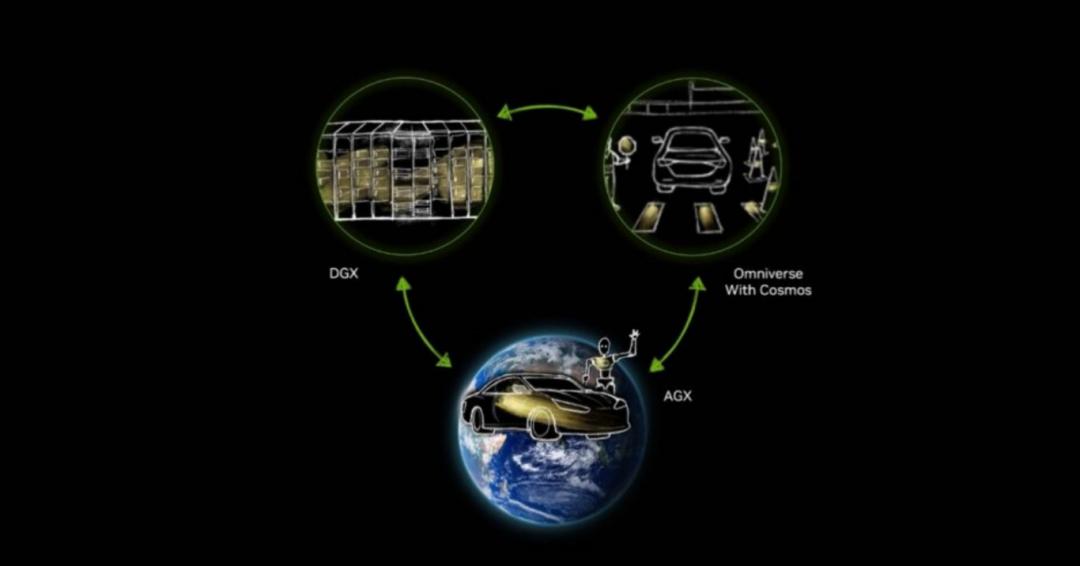
Core Viewpoint - NVIDIA is transitioning from a hardware supplier to a comprehensive provider of autonomous driving solutions, focusing on a full-stack approach that includes cloud training, simulation, and in-vehicle inference capabilities [4][7]. Group 1: Three Pillars of Full-Stack Solutions - NVIDIA's automotive strategy is built on three main components: DGX for AI model training, OVX for simulation, and AGX for in-vehicle inference [8][20]. - DGX serves as an AI model training factory, utilizing a supercomputing cluster of thousands of GPUs to process vast amounts of driving data [11][12]. - OVX creates a virtual world that mirrors real-world conditions, allowing for extensive testing of autonomous driving algorithms without the risks and costs associated with real-world testing [13][14][16]. - AGX represents NVIDIA's well-known in-vehicle computing chips, which have evolved to provide significantly higher processing power, becoming standard in various flagship models [18][20]. Group 2: Business Model Evolution - NVIDIA's revenue model has shifted from solely selling hardware to offering engineering services, which include deep involvement in automakers' production projects [21][23]. - The company charges a one-time engineering service fee, akin to a "coaching fee," to assist automakers in optimizing their algorithms on NVIDIA's platform [24][25]. - This service model fosters a win-win situation, enhancing automakers' capabilities while providing NVIDIA with valuable feedback for continuous product improvement [25]. Group 3: Open Source Strategy - In early 2025, NVIDIA announced the open-sourcing of its Alpamayo series, which includes a large-scale reasoning model and a comprehensive simulation framework [28][29][30]. - This strategic move aims to lower industry barriers, expand the ecosystem, and establish NVIDIA as a leader in defining the next generation of autonomous driving technology [34][35]. - The open-source approach also serves to mitigate geopolitical risks by transforming core technologies into global public assets [34]. Group 4: Demand from the Chinese Market - NVIDIA's accelerated pace in the automotive sector is largely driven by demand from the Chinese market, which is ahead of overseas automakers by two to three years in smart vehicle development [38][40]. - The rapid iteration and high expectations for functionality from Chinese automakers have prompted NVIDIA to develop specialized tools like TensorRT-LLM for Auto in record time [38][40]. Group 5: Competitive Landscape - NVIDIA maintains confidence against competitors by emphasizing that the ultimate competition in smart driving lies in systemic engineering capabilities and a continuously evolving ecosystem [41][42]. - The company has built a comprehensive stack that includes chips, safety certifications, operating systems, middleware, and development tools, creating a high barrier to entry for competitors [42][44].


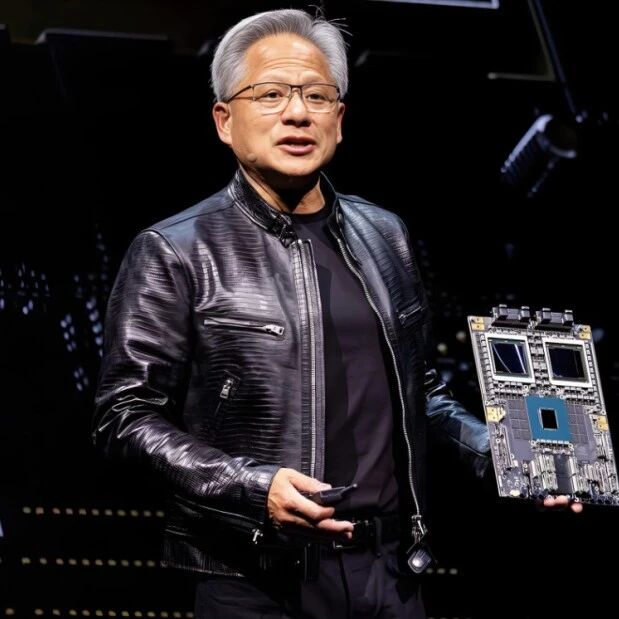
英伟达的汽车“生意经”
3 6 Ke· 2026-01-22 02:42
Core Insights - NVIDIA is redefining the next decade of smart automotive technology through a comprehensive approach that integrates cloud simulation and in-vehicle inference [1][2] Group 1: NVIDIA's Transformation - NVIDIA has evolved from a chip supplier to a comprehensive provider of autonomous driving solutions, offering not just vehicle chips (AGX) but also cloud training (DGX) and simulation (OVX) capabilities [2][3] - The company has opened its core AI models and datasets to lower industry barriers and expand its ecosystem, driving demand for computational power and reshaping industry standards [2][3] Group 2: Three Pillars of NVIDIA's Strategy - NVIDIA's automotive strategy is built on three key components: DGX for AI model training, OVX for simulation, and AGX for in-vehicle inference [3][8] - DGX serves as a training factory, utilizing a supercomputing cluster of thousands of GPUs to process vast amounts of driving data, including real-world videos and virtual simulations [4][9] - OVX creates a digital twin of the real world, allowing for extensive testing of autonomous driving algorithms in a risk-free environment [5][6][7] - AGX represents NVIDIA's well-known in-vehicle computing chips, with performance increasing from tens of TOPS to over a thousand TOPS, becoming standard in flagship models from various automakers [8][11] Group 3: Business Model Evolution - NVIDIA's revenue model has shifted from solely selling hardware to providing engineering services, where they assist automakers in optimizing algorithms on NVIDIA's platform [12][13] - This service model fosters a mutually beneficial relationship, allowing automakers to enhance their development capabilities while providing NVIDIA with valuable feedback for product improvement [13] Group 4: Open Source Strategy - In early 2025, NVIDIA announced the open-sourcing of its Alpamayo series, which includes a 100 billion parameter model and a comprehensive simulation framework, aimed at accelerating the development of autonomous driving technologies [16][17] - This strategic move lowers industry barriers, addresses the scarcity of high-quality data, and positions NVIDIA as a leader in defining the next generation of technology frameworks [18] Group 5: Market Dynamics and Competitive Edge - The demand from the Chinese market significantly drives NVIDIA's accelerated pace in the automotive sector, with local automakers pushing for rapid development and deployment of advanced features [21] - NVIDIA's confidence in its competitive position stems from its comprehensive engineering capabilities and the extensive ecosystem it has built over years, which is difficult for competitors to replicate [24] - The company's strategy is to become an architect and enabler of the AI-driven mobility era, moving beyond being just a supplier to defining new rules in the automotive industry [24]
FocusShould You Buy NVIDIA as It Nears $5T Market Cap? ETFs in Focus
ZACKS· 2025-10-29 14:25
NVIDIA (NVDA) shares surged about 5% on Oct. 28, 2025, to inch closer to making history, which is $5 trillion in market cap. The AI chip giant touched a market cap of $4.894 trillion to be specific.NVIDIA is on its way to becoming the first-ever company to surpass a $5 trillion market valuation, thanks to the AI boom. The rapid rise came just months after crossing the $4 trillion threshold in July, as quoted on Yahoo Finance.Multiple Deals Announcements Aid the RallyAt the heart of the recent rally is a wav ...
