
Duolingo ABC

Search documents
多邻国疯癫式劝学调查
Bei Jing Shang Bao· 2026-01-08 15:45
Core Viewpoint - The article discusses the potential negative impacts of language learning applications, particularly Duolingo, on minors, highlighting issues related to excessive gamification and the incorporation of unconventional values in educational content [1][7]. Group 1: User Experience and Behavior - Users, particularly minors, have shown a tendency to mimic exaggerated behaviors from characters in language learning apps, leading to concerns about their emotional expression and social interactions [2][3]. - The gamified learning approach, while initially engaging, has resulted in some users becoming overly focused on game mechanics rather than actual learning, leading to a phenomenon described as "learning game addiction" [7][8]. Group 2: Content and Value Concerns - Some educational content within these applications includes references to sensitive topics, such as LGBTQ+ issues, which may not be appropriate for younger audiences [4][5]. - The lack of comprehensive explanations for complex social topics can lead to fragmented understanding among children, potentially skewing their perception of the world [5]. Group 3: Regulatory and Design Recommendations - There is a call for the establishment of content grading systems to protect minors, ensuring that educational applications provide age-appropriate content [6]. - Experts suggest that educational apps should implement mechanisms to prevent addiction, similar to those used in online gaming, to balance learning engagement with the prevention of excessive use [10][11]. - Recommendations include mandatory features such as usage time limits and the disabling of competitive elements for underage users to ensure that educational goals remain the primary focus [11].



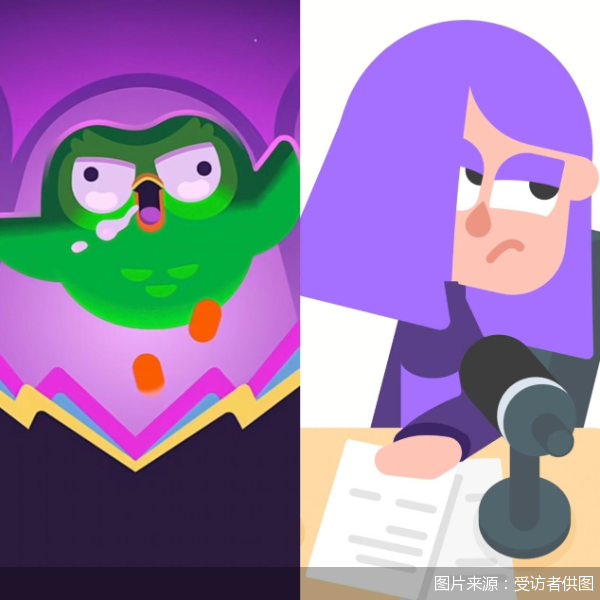
争议多邻国疯癫式劝学:幼儿疑似学习游戏成瘾,模仿黑化、发疯表情与翻白眼行为
Bei Jing Shang Bao· 2026-01-08 12:05
Core Viewpoint - The article discusses the potential negative impacts of language learning apps, particularly Duolingo, on minors, highlighting issues such as game addiction, inappropriate content, and the need for better content regulation and parental involvement [1][2][4][8]. Group 1: User Behavior and Concerns - Children using Duolingo have shown signs of game addiction, mimicking exaggerated behaviors from the app, which raises concerns about their emotional expression and social interactions [2][4]. - The app's gamified learning approach, while initially engaging, can lead to excessive focus on game mechanics rather than actual learning, resulting in a detrimental impact on educational outcomes [9][14]. Group 2: Content Appropriateness - Some content within Duolingo includes themes that may not be suitable for younger audiences, such as references to LGBTQ+ topics and unconventional social behaviors, which could confuse children lacking the maturity to understand these concepts [4][8]. - The lack of a content grading system in China raises concerns about the suitability of materials for different age groups, emphasizing the need for tailored content that aligns with children's cognitive abilities [8][16]. Group 3: Regulatory and Parental Involvement - Experts suggest that language learning apps should implement measures to prevent addiction, similar to those used in online gaming, to balance educational value with user engagement [15][16]. - There is a call for the establishment of guidelines for educational apps to ensure that gamification serves educational purposes rather than merely attracting users for profit [15][16].
多邻国“奇迹”:如何成为最近几年为数不多的超级增长互联网公司?
3 6 Ke· 2025-07-03 01:28
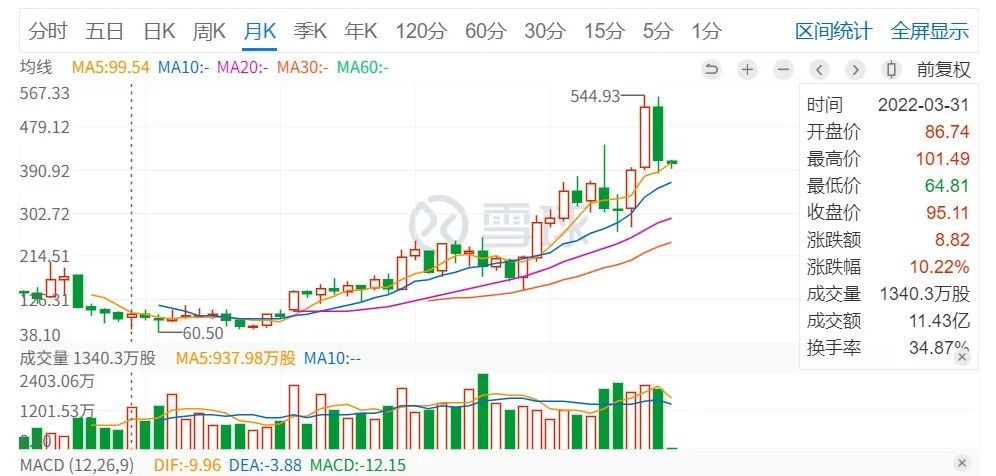
Core Insights - Duolingo has achieved a remarkable valuation with a P/E ratio of 200 and a market capitalization of $18.7 billion, raising questions about whether this is a capital bubble or a rational market choice [1] Group 1: Company Overview - Duolingo was founded in 2009, with its app launched in 2012 by Luis von Ahn, a professor at Carnegie Mellon University, and his student Severin Hacker [3] - The company initially gained funding due to the founders' reputation rather than the online language education model itself, with significant backing from Google in later funding rounds [4][5] - The app's unique gamified learning approach has been a key factor in its user engagement and retention [7][9] Group 2: Business Model - Duolingo operates on a "free + ad + premium" model, offering free courses with ads and optional paid subscriptions for an ad-free experience and additional features [14][15] - The subscription products include Super Duolingo and Duolingo Max, with prices ranging from $12.99/month to $29.99/month for advanced features [15] - The company reported a significant increase in user engagement, with DAU at 46.6 million and MAU at 130.2 million, reflecting a 49% and 33% year-over-year growth, respectively [16] Group 3: Financial Performance - Duolingo's Q1 2025 financial results showed a net profit of $35.1 million, a 30% increase from the previous year, and an adjusted EBITDA of $62.8 million, up 43% [16][20] - The company has maintained a compound annual growth rate (CAGR) of 34% in user growth and over 58% in subscription revenue from 2019 to 2024 [16] Group 4: Market Position and Growth Potential - The global language learning market is projected to be valued between $61.7 billion and $97.8 billion by 2024, indicating significant growth potential for Duolingo [27] - Duolingo's user acquisition strategy has been effective, with a low marketing expense ratio of 13%, leading to a snowball effect in user growth [23] Group 5: Competitive Landscape and Challenges - Despite its success, Duolingo faces challenges in providing comprehensive language learning resources, particularly for less common languages [29][30] - Competitors like Speak and Grammarly are leveraging AI technology to enhance their offerings, posing a threat to Duolingo's market share [32][33] - The company's reliance on a single app for growth may limit its long-term scalability unless it diversifies its offerings [21][24]
海外垂类AI应用专题(10):Duolingo Max推动货币化,AI赋能课程开发
Guoxin Securities· 2025-05-09 00:55
Investment Rating - The report maintains an "Outperform" rating for the industry [2] Core Insights - Duolingo is the world's most widely used language learning platform, with over 80% of its revenue coming from subscription fees. The introduction of the AI MAX feature is expected to enhance the company's paid user rate, total user base, and product pricing [3][11] - The online language learning market is projected to grow at a compound annual growth rate (CAGR) of 19.73%, reaching $70 billion by 2028, driven by AI-enabled online learning [3] - Duolingo's revenue growth remains robust at over 40%, with a gross margin above 70%. The company has raised its revenue growth guidance for the year to over 32% [3] Company and Product Overview - Duolingo, founded in 2011, focuses on technology-enabled education and offers over 40 language courses through its app, which has a monthly active user (MAU) count of 130 million as of Q1 2025, reflecting a 33% year-over-year increase [8][30] - The company operates on a "free learning + investment value" model, leveraging user data to optimize products and monetize through subscription services [8][11] Financial and Business Performance - Duolingo's revenue is primarily derived from subscription services, which accounted for 80% of total revenue, with a year-over-year growth rate of approximately 50% [24] - The company reported a total revenue of $231 million in Q1 2025, a 38% increase year-over-year, with subscription revenue reaching $191 million, up 45% year-over-year [34] - The gross margin remains strong at 71.7%, with ongoing optimization of operational costs [27] User Growth and Engagement - The number of paid subscribers reached 10.3 million by Q1 2025, representing a 40% year-over-year increase, with a paid user rate of 8.9% [30] - Daily active users (DAU) reached 46.6 million, a 49% year-over-year increase, indicating strong engagement in mature markets [30] Growth Drivers - AI technology is accelerating course content development, with Duolingo generating 148 new language courses in a year, a process that previously took over a decade [51] - The company is expanding its learning categories, including math and music, which have already attracted 3 million DAUs [54] - Duolingo is enhancing its high-level English courses to increase the proportion of English learners among its user base, which currently stands at 46% of DAUs [57]