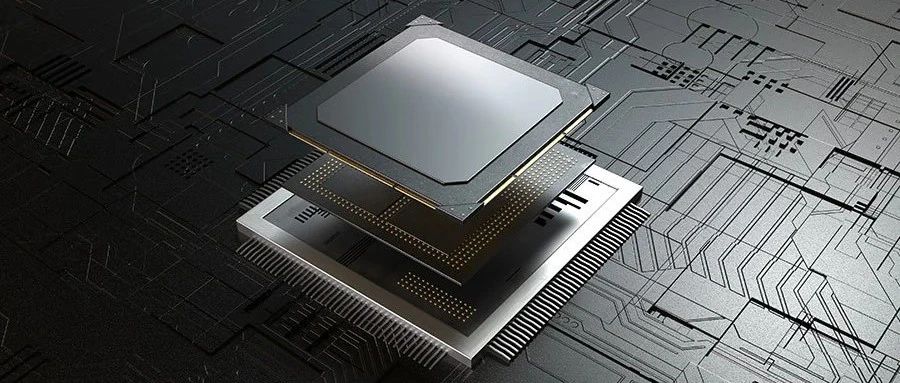
HBM3芯片

Search documents
H200能卖了,HBM呢?
半导体芯闻· 2025-12-09 10:36
Core Viewpoint - The article discusses the recent policy shift by the U.S. government allowing Nvidia to sell its Hopper 200 (H200) chips to China, which could significantly impact the AI chip market and competition between U.S. and Chinese companies [2][3]. Group 1: H200 Chip Overview - The H200 chip is an advanced AI processor featuring HBM3e memory, which offers improved performance over the previous H100 model. It is the most advanced in the Hopper series until the release of the next-generation Blackwell products [2]. - The U.S. government previously prohibited the export of H200 to China but reversed this decision, allowing sales under the condition of ensuring national security [3]. Group 2: China's Response - China has expressed a cautious optimism regarding the U.S. policy change, emphasizing the importance of cooperation for mutual benefit. However, concerns about potential security risks associated with the H200 chip have been raised by Chinese officials [4]. - Nvidia's CEO has warned that the U.S. export bans could inadvertently strengthen Chinese competitors, suggesting that losing access to the Chinese market could harm U.S. interests in the long run [4]. Group 3: Implications of Export Controls - The H200 chip is seen as crucial for high-performance computing and AI workloads, and the U.S. policy change effectively restores China's access to advanced memory chips, which are vital for competitive AI development [5]. - Despite the easing of restrictions, independent HBM memory remains subject to export controls, indicating a complex regulatory environment [5]. Group 4: Market Reactions - Initial reactions from Chinese companies to the lifting of the export ban were positive, but caution has emerged due to government warnings about potential security vulnerabilities [7]. - Major clients of Nvidia in China, such as ByteDance and Alibaba, are closely monitoring the situation, while suppliers in the AI server market are optimistic about increased demand for H200 chips [7]. Group 5: Stock Market Impact - The stock market response has been mixed, with some suppliers like TSMC experiencing declines, while others, such as Foxconn, saw significant gains following the news [8]. - The overall sentiment in the semiconductor sector remains cautious, reflecting the uncertainty surrounding the implications of the U.S. policy change on future competition [8].


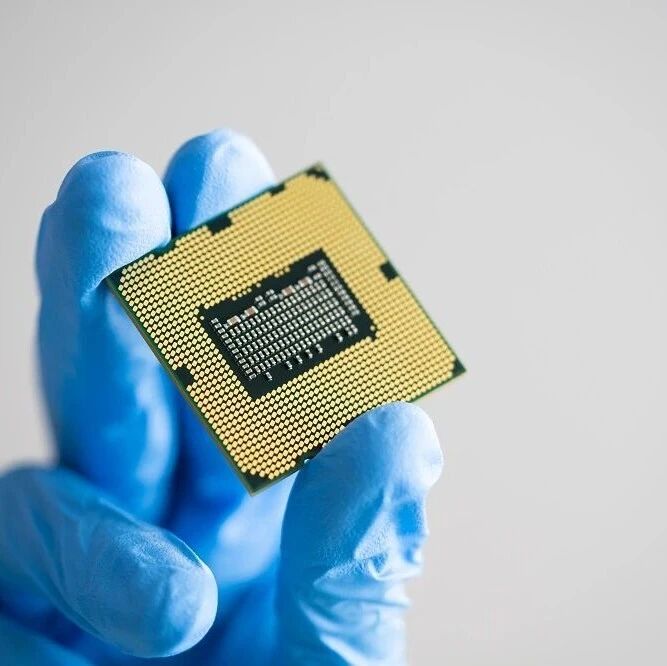
国产 HBM3 芯片突破!华为获供后,存储三巨头格局生变
是说芯语· 2025-08-13 09:43
Core Viewpoint - The article highlights the significant advancements in China's semiconductor industry, particularly the development and potential market impact of domestically produced HBM3 memory chips, which could disrupt the current dominance of major global players like Samsung, SK Hynix, and Micron [2][5]. Group 1: HBM3 Development and Market Impact - Domestic DRAM leader has begun supplying HBM3 samples to Huawei, manufactured using a self-developed 16nm G4 process, awaiting mass production approval [2]. - The G4 process allows for a 20% reduction in chip size and significant energy efficiency improvements compared to the previous 18nm G3 process, positioning China as the third country capable of mass-producing HBM3 after South Korea and the USA [2]. - The integration of HBM3 chips into Huawei's Ascend 910C AI chip is expected to enhance AI computing capabilities significantly, with a 40% increase in inference speed and a 30% improvement in energy efficiency [3][4]. Group 2: Competitive Landscape - The global HBM market is currently dominated by SK Hynix, which holds over 50% market share, followed closely by Samsung and Micron [4]. - In response to the emergence of domestic HBM3, international competitors are accelerating their technology iterations, with SK Hynix planning to start mass production of the world's first 12-layer HBM3E by September 2024 [4]. - Micron aims to achieve parity in HBM market share with its overall DRAM share (approximately 25%) by the second half of 2025 [4]. Group 3: Future Outlook and Strategic Positioning - Analysts predict that the large-scale application of domestic HBM3 will compel international manufacturers to accelerate technology transfer, potentially leading to a 20%-30% decrease in HBM3e prices over the next two years [5]. - The Chinese semiconductor industry is leveraging "cost-performance + localization" strategies to capture a share of the mid-to-high-end market [5]. - By 2025, domestic HBM market demand is expected to exceed 120 million GB, accounting for 30% of the global total, driven by policies such as the "East Data West Computing" project [6].