
IGV(软件板块ETF)

Search documents
高盛:本周美国市场大波动背后,对冲基金“做空一切“、周四软件股开始有买盘、周五“残酷逼空“
美股IPO· 2026-02-08 07:13
Core Viewpoint - Goldman Sachs warns that Friday's short covering only addressed about 20% of the recent short positions backlog, indicating a potential for larger rebounds on Monday unless short sellers double down on their bearish stance [1][9]. Group 1: Market Dynamics - This week, the U.S. market experienced unprecedented volatility across asset classes, driven by a massive short-selling campaign by hedge funds, which culminated in a brutal short covering on Friday [1][3]. - According to Goldman Sachs' prime brokerage data, hedge funds recorded the highest single-day short selling of U.S. stocks since 2016, with a short-to-long ratio reaching 2.5 to 1 [3][4]. - The short-selling wave affected not only the stock market but also precious metals and cryptocurrencies, leading to significant declines in gold, silver, and Bitcoin [3]. Group 2: Sector Analysis - The information technology sector was the worst performer, with short selling reaching the second-largest scale in the past five years, and a short-to-long ratio of 5.4 to 1 [5]. - The software industry was particularly hard hit, accounting for 75% of the net selling in the information technology sector, while semiconductor and IT services saw net buying [6]. - Eight out of eleven sectors experienced net selling, with the largest dollar-denominated declines in information technology, consumer discretionary, consumer staples, industrials, and real estate [4]. Group 3: Market Sentiment and Recovery Signals - A key turning point in market sentiment occurred on Thursday, with institutional investors beginning to buy into the IGV (software sector ETF), which saw a 12% increase on Wednesday, marking the largest single-day increase of 2023 [7]. - Following this, Friday's market saw a significant short covering rally, with Goldman Sachs' most shorted stock basket surging 8.8%, the second-largest single-day increase since 2022 [8][9]. - Despite the rally, Goldman Sachs cautions that only about 20% of the short positions were covered, suggesting that further short covering could continue [9].


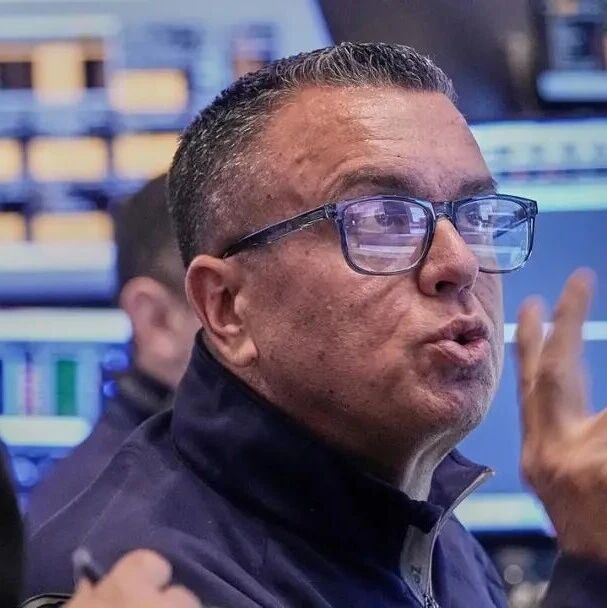
本周美国市场大波动背后:对冲基金“做空一切“、周四软件股开始有买盘、周五“残酷逼空“
智通财经网· 2026-02-08 06:17
Group 1 - The U.S. market experienced unprecedented volatility across asset classes due to a massive short-selling action by hedge funds, culminating in a brutal short squeeze on Friday [1] - Hedge funds recorded the highest single-day short-selling volume of U.S. stocks since 2016, with a short-to-long ratio reaching 2.5 to 1, affecting not only the stock market but also precious metals and cryptocurrencies [1][2] - The software sector ETF (IGV) saw a significant increase in shares, rising 12% on Wednesday, indicating a potential bottoming out of the sell-off [1][4] Group 2 - The information technology sector was the worst performer, with a short-to-long ratio of 5.4 to 1, and software industry accounted for 75% of the net selling in this sector [3] - Eight out of eleven sectors faced net selling, with the largest dollar-denominated declines in information technology, consumer discretionary, consumer staples, industrials, and real estate [2] - On Friday, the most shorted stocks surged by 8.8%, marking the second-largest single-day increase since 2022, indicating a significant short-covering rally [5] Group 3 - Despite the short-covering on Friday, it only addressed about 20% of the recent short positions, suggesting the potential for further market rebounds unless short-sellers increase their positions [6] - JPMorgan reported that hedge fund returns were negatively impacted by the recent stock declines, with an average drop of 1.8% across all strategies [3]

本周美国市场大波动背后:对冲基金"做空一切"、周四软件股开始有买盘、周五"残酷逼空"
Hua Er Jie Jian Wen· 2026-02-08 05:43
Core Insights - The U.S. market experienced unprecedented volatility across asset classes due to a massive short-selling campaign by hedge funds, culminating in a brutal short squeeze on Friday [1] - Hedge funds recorded the highest single-day short-selling volume of U.S. stocks since 2016, with a short-to-long ratio of 2.5 to 1, affecting not only equities but also precious metals and cryptocurrencies [1][2] - A significant shift in market sentiment occurred on Thursday, with institutional investors beginning to buy into the IGV (software sector ETF), indicating a potential bottoming out of the sell-off [1][4] Group 1: Short Selling Dynamics - Hedge funds have net sold U.S. stocks for four consecutive weeks, with short-selling transactions significantly outpacing buying [2] - The nominal short-selling volume for individual stocks reached the highest level recorded since 2016, exceeding the five-year average by 3.2 standard deviations, with a short-to-long ratio of 2 to 1 [2] - Eight out of eleven sectors faced net selling, with the largest dollar-denominated declines in information technology, consumer discretionary, consumer staples, industrials, and real estate [2] Group 2: Software Sector Focus - The information technology sector was the worst performer, with net selling reaching the second-largest level in the past five years, and a short-to-long ratio of 5.4 to 1 [3] - The software industry was particularly hard hit, accounting for 75% of the net selling in the information technology sector, while semiconductor and IT services sub-sectors saw net buying [3] - The total net exposure and long-short ratio for the software sector reached historical lows of 2.6% and 1.3, respectively [3] Group 3: Market Sentiment Shift - A key buying signal emerged on Thursday, with institutional investors increasing their holdings in the IGV ETF by 12% on Wednesday, marking the largest single-day change in 2023 [4] - Despite caution from JPMorgan regarding high leverage among hedge funds, Goldman Sachs indicated that the software sector may have reached a bottom [4] Group 4: Short Squeeze on Friday - On Friday, a short-covering rally occurred, with the most shorted stocks surging by 8.8%, marking the second-largest single-day increase since 2022 [6] - The short-covering only addressed about 20% of the recent short positions, suggesting that further short-covering could continue unless short-sellers double down on their bearish positions [6]