IPD

Search documents
最新市值1552亿港元!国产存储芯片巨头今日登陆港交所
Xin Lang Cai Jing· 2026-01-13 11:27
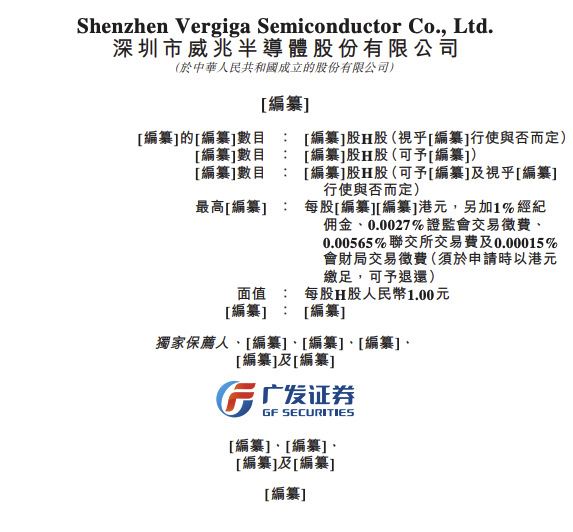
Group 1 - Zhaoyi Innovation successfully listed on the Hong Kong Stock Exchange, with a first-day increase of 37.53%, closing at HKD 222.8 per share and a market capitalization of HKD 1552.39 billion (approximately RMB 1338.27 billion) [1][24] - Zhaoyi Innovation is recognized as one of China's most representative global chip design companies, completing the construction of an "A+H" dual capital platform [1][24] Group 2 - SK Hynix announced a significant investment of approximately USD 129 billion to build an advanced chip packaging plant in South Korea, aimed at meeting the surging demand for AI-related storage chips [2][25] - The new facility in Cheongju is expected to start construction in April and be completed by the end of next year, with the HBM market projected to grow at an annual rate of 33% from 2025 to 2030 [2][25] Group 3 - Rebellions, a South Korean AI chip company, has delivered chip samples to Elon Musk's AI venture, xAI, and has previously supplied chips to major domestic tech firms [3][26] - Micron's VP indicated that the current storage shortage is unlikely to ease before 2028 due to the complexities of wafer fab expansions and certification processes [4][27] Group 4 - Jiangsu Qiqian Semiconductor completed a strategic financing round of over RMB 100 million, which will be used to accelerate technology iteration and enhance production capacity [5][28] - Reexen Technology, an AI chip company, announced the completion of a B+ round financing, focusing on a multi-level storage-computing fusion architecture that significantly improves capacity, bandwidth, and energy efficiency [6][29] Group 5 - TSMC is nearing a trade agreement with the U.S. that would reduce tariffs on Taiwanese goods to 15%, with a commitment to build at least five semiconductor plants in Arizona [10][33] - The agreement is part of broader negotiations that have been delayed due to tariff issues, with TSMC's total investment in the U.S. projected at USD 165 billion [10][33] Group 6 - TrendForce reported that the supply-demand dynamics for 8-inch wafers are changing, with major manufacturers like TSMC and Samsung reducing production, leading to potential price increases of 5-20% for foundry services [13][35] - Counterpoint Research indicated that the storage market has entered a "super bull market," with prices expected to rise by 40-50% in Q1 2026 and an additional 20% in Q2 2026 [14][36] Group 7 - Sigmaintell noted that the average capacity utilization rate of major global wafer fabs is expected to rise to 90% by Q4 2025, driven by increased demand from AI applications and a recovery in automotive and industrial applications [15][36] - Guangzhou is promoting the development of manufacturing lines for photomasks, photoresists, electronic gases, and other materials to support the semiconductor industry [16][37] Group 8 - The Haidong Semiconductor Index closed at 9332.91, down 3.36%, with a total trading volume of CNY 114.21 billion, reflecting a market with 14 gainers and 157 decliners [17][39] - The U.S. semiconductor ETF (SOXX.US) closed at USD 330.35, with a slight increase of 0.48% and a trading volume of 5.16 million shares [17][41]

理想,为什么突然不学华为了?
创业邦· 2025-11-21 06:05
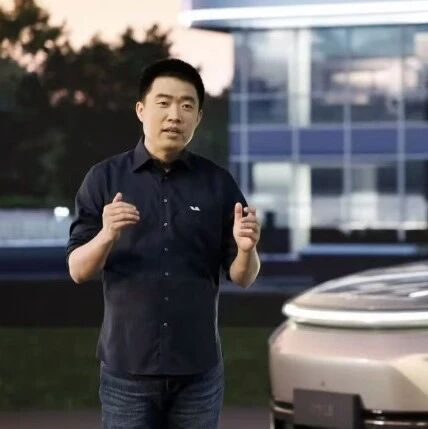
Core Viewpoint - The article discusses the recent strategic shift of Li Auto, indicating a departure from its previous learning from Huawei's management practices, particularly the PBC performance model, towards a new focus on becoming a leading AI terminal company [5][10][12]. Group 1: Strategic Changes - Li Auto has recently made significant organizational changes, including the founder Li Xiang taking over HR responsibilities and several Huawei executives leaving the company [5][6]. - The company is moving away from the PBC performance model and is reintroducing the OKR management system, indicating a shift in management philosophy [5][6]. - The mission of Li Auto has evolved from being a car manufacturer to becoming a global leader in AI terminals, which has necessitated changes in its organizational structure and operational methods [10][12]. Group 2: Learning from Huawei - Initially, Li Auto aimed to learn from Huawei's Integrated Product Development (IPD) model to improve its product definition and management processes, especially after facing competition from the AITO M7 [7][8]. - The IPD model provided a structured approach to product development, ensuring high quality through rigorous checks, but it also introduced inefficiencies due to lengthy decision-making processes [8][9]. - Li Auto's adaptation of the IPD model was seen as a necessary step to stabilize its operations during a period of rapid product launches [8][9]. Group 3: Transition to AI-Native Organization - As the company's mission shifted towards AI, it recognized the need to restructure its organization to be more agile and responsive, moving away from the traditional IPD model [10][11]. - The new structure involves creating smaller, more flexible teams that can iterate quickly, akin to agile development practices in the software industry [11]. - This transformation reflects a broader understanding that the nature of AI development requires a different operational approach compared to traditional hardware manufacturing [10][12].