Llama系列大型语言模型

Search documents
图灵奖得主杨立昆离职创业,Meta股票蒸发1400亿
Tai Mei Ti A P P· 2025-11-13 08:38
Core Viewpoint - The departure of Yann LeCun, a Turing Award winner and chief scientist at Meta, has caused significant turmoil in the AI industry, leading to a 1.5% drop in Meta's stock price and a market value loss of 140 billion yuan [1][2]. Group 1: Background and Context - Yann LeCun is a foundational figure in deep learning, credited with developing the Convolutional Neural Network (CNN) architecture, which has been pivotal for modern AI advancements [1]. - LeCun's departure is not merely a personal career change but reflects a broader ideological conflict regarding the future direction of AI development, particularly between his vision of "world models" and Meta's focus on Large Language Models (LLMs) [2][3]. Group 2: Internal Dynamics at Meta - Meta has faced challenges in the AI space, with competitors like DeepSeek making breakthroughs in the Mixture of Experts (MoE) architecture, while Meta's own Llama4 model series has received lackluster market feedback [4]. - The company's financial commitment to AI has increased, with capital expenditures for AI reaching 70 billion yuan, and organizational restructuring has led to the establishment of a "Super Intelligence Lab" under new leadership, sidelining LeCun [6][7]. - LeCun's role has shifted from a strategic leader to a symbolic figure within the company, as he now reports to a younger executive and faces restrictions on publishing his team's research [6][7]. Group 3: Ideological Conflict - The ideological rift between LeCun and Meta's leadership became apparent with the emergence of ChatGPT, as Meta was slow to engage with LLM technology, leading to internal dissatisfaction and frustration [8][9]. - LeCun's insistence that LLMs represent a "dead end" in AI development has been a point of contention, as he believes they lack the necessary understanding of the physical world and cannot achieve true AGI [14][16]. - He advocates for a "world model" approach, which emphasizes learning through interaction with the environment rather than solely through text, proposing a modular AI architecture that contrasts with the monolithic nature of LLMs [17].


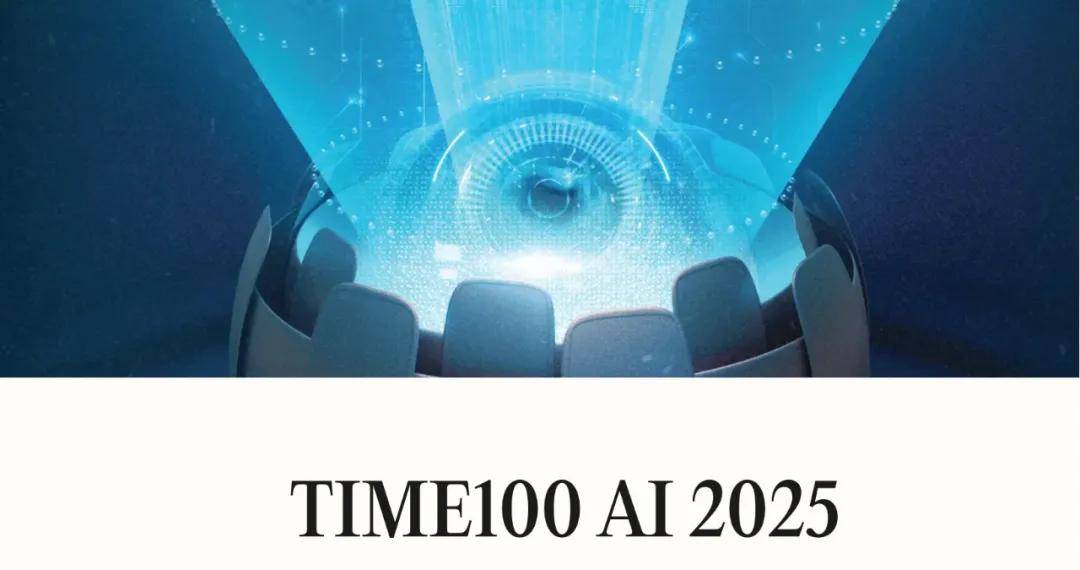
时代2025 AI百人榜出炉:任正非、梁文锋、王兴兴、彭军、薛澜等入选,华人影响力爆棚
Sou Hu Cai Jing· 2025-08-29 06:37
Core Insights - The 2025 TIME 100 list highlights influential figures in the AI field, showcasing a significant presence of Chinese individuals, many of whom are first-time honorees [1][4]. Leaders - Ren Zhengfei, founder of Huawei, has driven long-term investments in AI, launching the Ascend series AI chips and the MindSpore deep learning framework, establishing a competitive edge in the smart era [6]. - Liang Wenfeng, CEO of DeepSeek, has led the company to become a core player in AI technology, releasing the R1 model that competes with OpenAI's latest offerings [8]. - Huang Renxun, co-founder and CEO of NVIDIA, transformed the company into a leading AI computing firm, with its CUDA platform and high-performance GPUs being essential for deep learning advancements [10]. - Wei Zhejia, chairman and CEO of TSMC, has positioned the company as a key manufacturer for top AI chip designers, ensuring the mass production of powerful AI processors [12]. - Alexandr Wang, co-leader of Meta's Superintelligence Lab, previously founded Scale AI, which provides critical data support for various AI applications [14]. - Wang Xingxing, CEO of Unitree Technology, is a key player in embodied AI, focusing on the development of humanoid robots [16]. Innovators - Peng Jun, CEO of Pony.ai, has been pivotal in the commercialization of autonomous driving, achieving large-scale operations of Robotaxi services in major Chinese cities by 2025 [19]. - Edwin Chen, founder and CEO of Surge AI, has built a company valued at over $25 billion, providing high-quality datasets essential for AI development [21]. Shapers - Li Feifei, Stanford professor and CEO of World Labs, is a leading figure in responsible AI development, having created the ImageNet project that revolutionized computer vision [24]. - Xue Lan, a professor at Tsinghua University, contributes to AI governance and public policy, influencing AI regulatory frameworks [26]. Other AI Figures - Elon Musk, founder of xAI, has been influential in developing AI technologies across various sectors [29]. - Sam Altman, CEO of OpenAI, has significantly advanced generative AI technologies [33]. - Andy Jassy, president and CEO of Amazon, has laid the groundwork for AI through AWS and is driving innovation in generative AI [41].