Loopt

Search documents
Sora终究还是“死”了
虎嗅APP· 2026-03-25 09:57
Core Viewpoint - The article discusses the demise of OpenAI's video product Sora, attributing its failure to a combination of market misalignment, high operational costs, and strategic missteps rather than technical deficiencies [5][15][22]. Group 1: Product Performance and Market Dynamics - Sora was launched in December 2024, achieving 10 million downloads initially, but by February 2026, its monthly user engagement plummeted by 68% to 2.117 million [9][12]. - In 2025, Sora generated a monthly revenue of $367,000, significantly lower than Kling AI's $20 million during the same period, highlighting a stark competitive disadvantage [12]. - The product's pricing strategy, set at $20 per month, was deemed unsustainable given the high computational costs associated with its operation [20][22]. Group 2: Strategic Misalignment and Partnerships - A $10 billion deal with Disney for 200 classic IPs was seen as a lifeline for Sora, but it was interpreted by Disney as a cautious move to explore AI video potential rather than a strong endorsement of Sora's viability [24][26]. - The ongoing WGA and SAG-AFTRA strikes created additional challenges for Sora, as the IP licensing conflicted with union protections, complicating the partnership [26][27]. - Disney's management was under pressure to justify expenditures, making the $10 billion investment in an unproven AI product difficult to rationalize [26]. Group 3: Competitive Landscape - In contrast to Sora, Kling AI focused on practical applications, achieving an annual recurring revenue (ARR) of $20 million, which is over five times Sora's total revenue for the year [30]. - ByteDance's Seedance integrated AI video generation directly into its existing app, leveraging a large user base without the need for separate marketing efforts, showcasing a more effective distribution strategy [30][31]. Group 4: Internal Challenges and Future Implications - A memo titled "Code Red" indicated that OpenAI's consumer product growth had stagnated, leading to a strategic contraction and the prioritization of resources [33]. - The departure of key team members, including Tim Brooks and Bill Peebles, further weakened Sora's prospects, as they took their expertise to Google DeepMind [38][39]. - Despite the product's failure, the DiT architecture developed for Sora is expected to have a lasting impact on video generation technology, influencing future developments in the field [41].


周周996,顿顿预制餐,美国AI界00后卷疯了
虎嗅APP· 2025-09-15 13:50
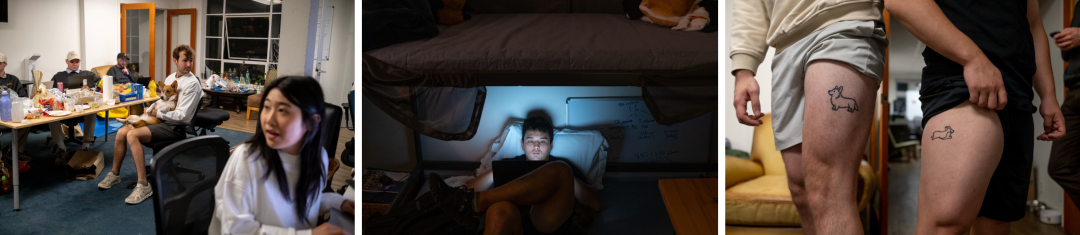
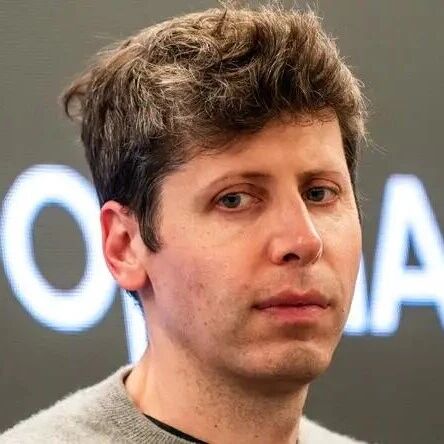
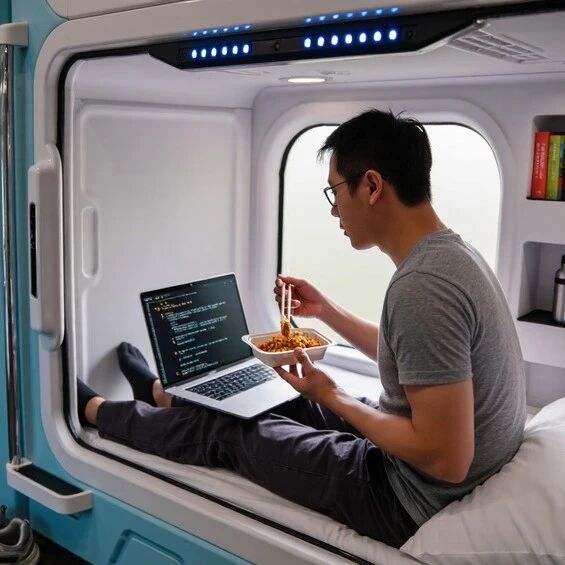
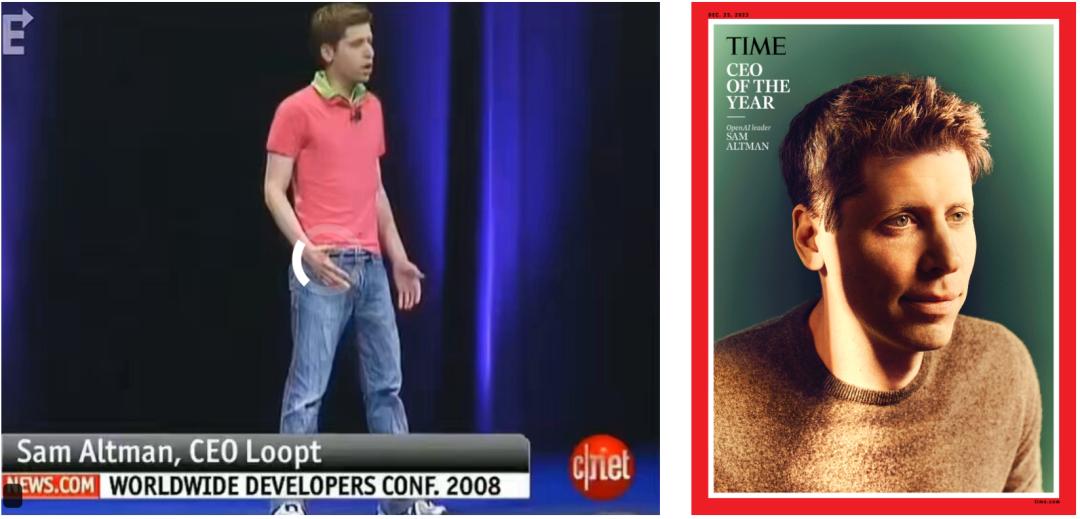
Core Viewpoint - The article discusses the intense work culture among young entrepreneurs in the AI sector in Silicon Valley, highlighting their extreme dedication and sacrifices in pursuit of building billion-dollar companies. Group 1: Historical Context - Sam Altman dropped out of Stanford to start his first company, Loopt, and later became the CEO of OpenAI, symbolizing the entrepreneurial spirit of the AI era [6] - Mark Zuckerberg also dropped out of Harvard to focus on Facebook, which has now become a major player in the tech industry [8][12] - Both Altman and Zuckerberg represent the new wave of wealth creation driven by AI, with Altman leading a major AI company and Zuckerberg securing significant investments [12][13] Group 2: Current Trends in AI Entrepreneurship - Young entrepreneurs in their twenties are working extreme hours, often 92 hours a week, sacrificing personal lives and social activities to chase their dreams of building billion-dollar companies [15][26] - Many of these founders live in shared workspaces, referred to as "coffin rooms," where they sleep in close quarters to maximize productivity [42][45] - The culture emphasizes a relentless work ethic, with founders like Marty Kausas aiming to build a $10 billion company within ten years, viewing entrepreneurship as a competitive game [20][21] Group 3: Lifestyle and Work Habits - Founders often forego traditional social activities, focusing instead on work-related networking and activities, such as fitness or reading marathons [30][77] - Many young entrepreneurs, like Mackay Grant and Emily Yuan, express disdain for work-life balance, prioritizing their startups over leisure [27][29] - The lifestyle includes consuming pre-packaged meals to save time and maintain efficiency, reflecting a utilitarian approach to daily living [47][48] Group 4: The Role of Startup Incubators - Y Combinator has played a significant role in nurturing startups, having invested in over 5,000 companies with a total valuation exceeding $800 billion [36] - The incubator's recent summer program received 20,000 applications, indicating a high level of interest in AI entrepreneurship [37] - Founders often share a common background of having been influenced by the success stories of previous tech giants, driving their ambition to replicate that success [25][66] Group 5: The Global Impact of AI Entrepreneurship - The AI startup culture is not limited to Silicon Valley; it has inspired individuals globally, as seen with entrepreneurs from Kazakhstan pursuing their dreams in the Bay Area [93] - The article illustrates how the AI boom has created a sense of urgency and competition among founders, reminiscent of the early days of the internet [66][68]
周周996,顿顿预制餐,美国AI界00后卷疯了: 住「棺材房」一周工作92小时
3 6 Ke· 2025-09-15 02:54
Core Insights - The article highlights the rise of young entrepreneurs in Silicon Valley, particularly in the AI sector, drawing parallels between current founders and tech pioneers like Sam Altman and Mark Zuckerberg [1][4][6]. Group 1: Entrepreneurial Spirit - Young founders are increasingly willing to sacrifice personal lives for the pursuit of building billion-dollar companies, often working extreme hours, such as 92 hours a week [10][12]. - The culture of relentless work is prevalent, with many founders opting for minimal social activities and focusing solely on their startups [8][14]. - Founders like Marty Kausas and Emily Yuan exemplify this mindset, prioritizing work over traditional milestones like graduation [10][14]. Group 2: Startup Environment - The startup ecosystem in San Francisco is characterized by a high concentration of ambitious young individuals, many of whom are college dropouts aiming to create significant tech companies [12][17]. - YCombinator plays a crucial role in nurturing these startups, having invested in over 5,000 companies with a total valuation exceeding $800 billion [17][28]. - The competitive atmosphere has intensified, with founders feeling a sense of urgency to achieve rapid growth and attract investment [29][28]. Group 3: Lifestyle and Work Habits - Many young entrepreneurs live in shared workspaces, often blurring the lines between work and personal life, with some even sleeping in their offices [20][21]. - The lifestyle choices of these founders reflect a commitment to their ventures, with limited leisure activities and a focus on productivity [18][24]. - Social interactions often revolve around work-related events, with networking taking precedence over traditional socializing [31][33]. Group 4: Future Aspirations - The ambition among these young founders is palpable, with many aiming to create companies valued at $10 billion or more within a decade [10][26]. - The narrative of entrepreneurship is evolving, with a new generation of founders inspired by the success stories of tech giants and driven by the potential of AI [6][28]. - The article suggests that the current wave of AI startups could be even larger than previous tech booms, indicating a significant shift in the industry landscape [28].
周周996,顿顿预制餐,美国AI界00后卷疯了
Hu Xiu· 2025-09-14 08:42
Core Insights - The article discusses the rise of young entrepreneurs in Silicon Valley, particularly in the AI sector, drawing parallels between current founders and past figures like Sam Altman and Mark Zuckerberg [6][13][77] - It highlights the intense work culture and dedication of these young founders, who often sacrifice personal lives and leisure for the pursuit of building billion-dollar companies [19][33][78] Group 1: Historical Context - Sam Altman dropped out of Stanford in 2005 to start his first company, Loopt, and is now the CEO of OpenAI, recognized as a leading figure in the AI industry [5][6] - Mark Zuckerberg left Harvard in 2004 to focus on developing Facebook, which rapidly grew to encompass schools across the U.S. [9][10] - Both Altman and Zuckerberg are now symbols of the wealth generated by the AI boom, with Altman leading a major AI company and Zuckerberg securing significant contracts [14][12] Group 2: Current Entrepreneurial Landscape - Young founders in Silicon Valley are increasingly working extreme hours, often 92 hours a week, to achieve their goals [19][21] - Many of these entrepreneurs, like Marty Kausas, aim to build companies valued at $10 billion within a decade, viewing entrepreneurship as a competitive game rather than a mere financial pursuit [23][25] - The culture emphasizes a relentless work ethic, with founders often foregoing social activities and personal time to focus on their startups [33][36] Group 3: Startup Ecosystem - Y Combinator has played a significant role in nurturing startups, having invested in over 5,000 companies with a total valuation exceeding $800 billion [45] - The current generation of founders is heavily influenced by the success stories of previous tech giants, leading to a surge in AI-focused startups [31][32] - The article notes that many founders are willing to live in shared workspaces and adopt unconventional lifestyles to maximize their productivity and commitment to their ventures [51][52] Group 4: Cultural Shifts - The article illustrates a shift in the startup culture, where drinking and leisure activities are often seen as distractions from the goal of building successful companies [96][97] - Young entrepreneurs are increasingly integrating their social lives with work, often engaging in work-related activities during their free time [39][88] - The intense focus on work and success has created a unique environment where personal sacrifices are common, with many founders expressing a desire to make a significant impact through their ventures [74][75]