
MLU100

Search documents
1800亿江西首富执掌公司,遭前高管索赔43亿
Sou Hu Cai Jing· 2025-11-04 14:04
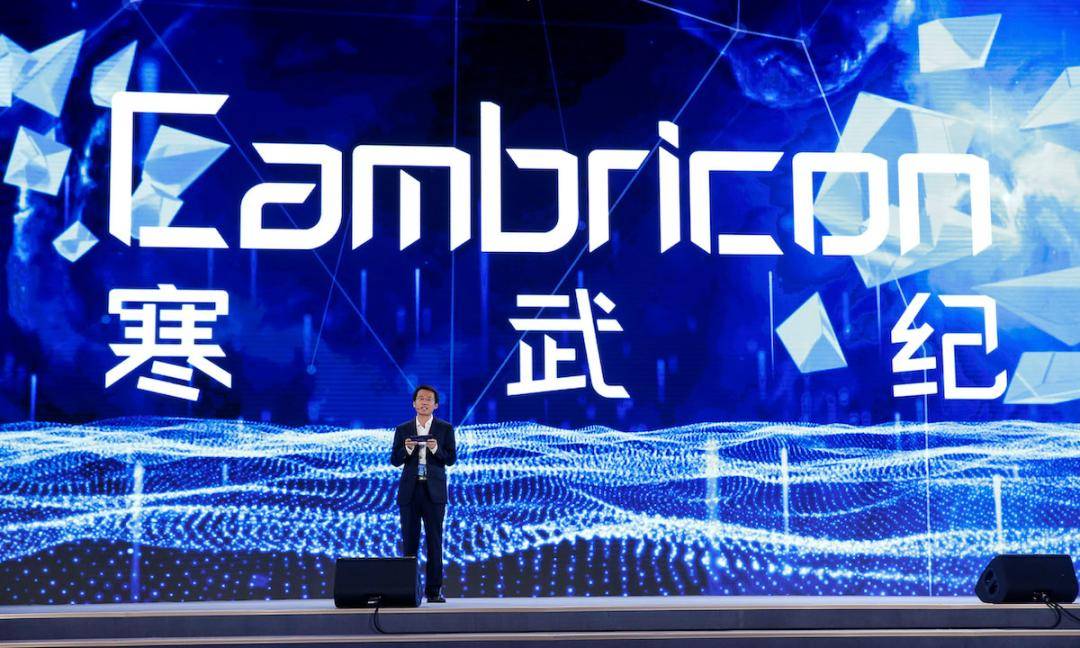
Core Viewpoint - The company Cambricon is currently embroiled in a high-stakes lawsuit initiated by its former CTO Liang Jun, who is claiming damages of 4.287 billion yuan, which is 2.67 times the company's net profit for the first three quarters of the year, setting a record for compensation claims in China's tech sector [2][4][6]. Financial Performance - In the first three quarters, Cambricon achieved revenue of 4.607 billion yuan, a year-on-year increase of 2386.38%, and a net profit of 1.605 billion yuan, marking a turnaround from a loss of 724 million yuan in the same period last year [2][16]. - The third quarter alone saw revenue of 1.727 billion yuan, up 1332.52% year-on-year, with a net profit of 567 million yuan, reflecting a 391.47% increase [16]. Legal Dispute Details - Liang Jun's lawsuit includes three main requests: confirmation of his employment relationship with Cambricon, compensation for stock incentive losses amounting to 4.287 billion yuan, and coverage of legal fees by the company [4][5]. - The compensation claim is based on Liang's indirect holding of 11.5232 million shares, calculated at a maximum stock price of 372 yuan per share [5][6]. Company Background - Cambricon, founded in 2017, is a leading domestic AI chip company and was the first to be listed on the Sci-Tech Innovation Board in China [7]. - Liang Jun, who has a strong background in technology and management, played a crucial role in the development of key chip products before leaving the company in 2022 due to disagreements [6][12]. Market Position and Challenges - Despite impressive financial results, Cambricon faces several challenges, including a decline in third-quarter performance compared to the previous quarter, a concentrated business structure, and high valuation ratios compared to industry averages [3][18]. - The AI chip market is becoming increasingly competitive, with major players like NVIDIA and AMD posing significant threats, alongside domestic competitors such as Huawei and Biren Technology [19][20]. Implications of the Lawsuit - The lawsuit could potentially impact Cambricon's brand image and its ability to attract talent, as it highlights the intense competition for core technical personnel in the AI sector [21]. - Legal experts suggest that Liang's claims may lack a solid contractual basis, which could mitigate the potential financial impact on the company [14][15].

大国算力突起:四千亿“中科系”航母破局,中国重构全球算力生态
2 1 Shi Ji Jing Ji Bao Dao· 2025-05-30 12:05
Group 1 - The core viewpoint of the article is that the global computing power competition has entered a "system-level" confrontation era, with China's computing power industry accelerating its integration through a "carrier-level" approach [1][22] - The strategic merger between domestic chip giant Haiguang Information and server leader Zhongke Shuguang is expected to break traditional industry boundaries between chip design and complete machine manufacturing, marking a significant move in China's computing power industry [1][5] - This merger is the first absorption merger case following the revision of the "Major Asset Restructuring Management Measures for Listed Companies," highlighting its importance in optimizing the independent innovation ecosystem in response to international technological blockades [1][6] Group 2 - The merger is anticipated to significantly reduce research and transaction costs, potentially creating a "hard technology platform enterprise" that combines high-valuation chip business with stable cash flow [1][10] - Haiguang Information holds a leading market share of 53.6% in domestic server CPUs and over 30% in the domestic GPU market, while Zhongke Shuguang is the leading player in the domestic server market with a sales volume of 265,400 units in 2024 [6][12] - The integration aims to enhance technological synergy and strengthen ecological advantages, promoting the development of leading enterprises in the information industry [6][7] Group 3 - The historical context shows that both companies share a common origin, having been established to overcome the bottleneck of domestic high-end processor technology [3][4] - The integration is seen as a beneficial attempt to "fill gaps and strengthen advantages" in China's computing power industry, leveraging technological complementarity and resource reuse [8][21] - The new entity formed post-merger is expected to adopt a dual-driven model of "high-valuation chip research and development + stable cash flow from complete machine sales," which may attract a valuation premium as a "hard technology platform enterprise" [10][31] Group 4 - The article discusses the evolution of China's computing power industry, which has transitioned from reliance on imported chips and systems to developing a complete innovation chain from basic chips to supercomputing applications [11][13] - The merger reflects a shift from "individual combat" to "group combat," allowing Chinese enterprises to participate in global competition with system-level advantages [21][23] - The article highlights the increasing global significance of computing power as a key indicator of national strategic capability, with the merger being a strategic move to build a self-controlled full industry chain ecosystem [22][24]


