Miutine香水

Search documents
普拉达(01913):集团收入稳健增长,MiuMiu延续高增态势
Haitong Securities International· 2025-10-27 11:16
Investment Rating - The report maintains a positive outlook on Prada Group, indicating a potential for steady profit growth and resilience in its brand portfolio [5][12]. Core Insights - Prada Group reported a revenue of €4.07 billion for the first nine months of FY25, reflecting a 9% year-on-year increase at constant exchange rates, marking the 19th consecutive quarter of positive growth [1][8]. - The acquisition of Versace for an enterprise value of €1.25 billion is expected to open new growth avenues for the group [1][4]. Revenue Performance - For the first nine months of FY25, Prada brand revenue declined by 2% year-on-year, with a 1% decline in 3Q25, showing significant improvement driven by the recovery in core leather goods and ready-to-wear categories [2][9]. - Miu Miu brand revenue surged by 41% year-on-year in 9M25 and 29% in 3Q25, maintaining strong growth despite a high comparison base from the previous year [2][9]. Regional Performance - Asia-Pacific revenue increased by 10% year-on-year, with notable recovery in mainland China, while the Americas saw a 15% increase, accelerating to 20% in 3Q25 [3][10]. - Europe experienced a 6% growth, supported by stable local demand, while the Middle East recorded a 21% increase [3][10]. Strategic Initiatives - The group is focused on optimizing its retail network, enhancing customer experience, and maintaining a strong product lineup, including high-end offerings [4][11]. - The acquisition of Versace is part of a broader multi-brand strategy aimed at expanding scale and profitability over the long term [4][11]. Future Outlook - Management expresses a cautious yet optimistic view, anticipating steady profit growth supported by a premium product mix and retail efficiency gains [5][12]. - The dual-brand strategy of Prada and Miu Miu, along with the integration potential of Versace, is expected to drive growth exceeding industry averages [5][12].

2025年第39周:美妆行业周度市场观察
艾瑞咨询· 2025-10-01 00:00
Core Insights - The beauty industry in China is experiencing significant changes, with a focus on high-end fragrance brands, domestic beauty brands' performance, and the integration of science and global strategies in the market [2][3][4][5][6][7]. Industry Environment - Douyin e-commerce has revitalized the perception of "Chinese good ingredients," showcasing natural components from local brands and enhancing consumer trust through expert endorsements and interactive marketing [3]. High-End Fragrance Market - The fragrance category is witnessing growth despite overall market pressures, with projections indicating the Chinese perfume market will reach 24.9 billion yuan by 2025 and exceed 33.9 billion yuan by 2028, reflecting a compound annual growth rate of 8% [4]. Domestic Beauty Brands Performance - In the first half of 2025, the domestic beauty market grew by 3.1%, with leading brands like Proya achieving 5.36 billion yuan in revenue, while others like Huaxi Biological faced challenges [5]. Globalization and Scientific Innovation - The second half of the domestic beauty market is expected to focus on scientific advancements, segmentation of consumer scenarios, and globalization strategies [7]. Medical Beauty and Cosmetic Integration - The medical beauty sector is projected to grow at a compound annual growth rate of 10%-15% from 2024 to 2027, with brands increasingly merging beauty and medical aesthetics to meet consumer demands for comprehensive care [10]. E-commerce and Brand Strategies - E-commerce operators in the beauty sector are facing challenges, with only one company, Ruoyu Chen, showing significant growth amidst a broader industry slowdown [14]. New Product Launches and Brand Collaborations - Major brands like L'Oréal are expanding into the fragrance market with new high-end products, while emerging brands like Huaxizi are innovating in skincare with a focus on traditional Chinese medicine [16][17]. Market Trends and Consumer Behavior - The beauty market is seeing a shift towards affordable and effective products, with brands needing to adapt to changing consumer preferences and the competitive landscape [12][25].



美妆行业:周度市场观察-20250927
Ai Rui Zi Xun· 2025-09-27 09:16
Investment Rating - The report does not explicitly provide an investment rating for the beauty industry Core Insights - The beauty industry is experiencing a significant transformation driven by consumer preferences for high-quality, effective products and the integration of technology in skincare and cosmetics [4][6][10] Industry Trends - The high-end fragrance segment is witnessing robust growth, with the Chinese perfume market projected to reach 24.9 billion yuan by 2025 and exceed 33.9 billion yuan by 2028, reflecting a compound annual growth rate of 8% [4] - Domestic beauty brands are focusing on scientific innovation, market segmentation, and globalization to enhance competitiveness [6][7] - The integration of medical aesthetics and beauty is becoming a trend, with a projected annual growth rate of 10%-15% for the medical aesthetics market from 2024 to 2027 [10] - The beauty market is seeing a shift towards multi-brand strategies, with companies like Proya and Shiseido leading the way [6][11] Market Environment - Douyin e-commerce is revitalizing the perception of "Chinese good ingredients," enhancing consumer trust in domestic skincare products through educational campaigns [4] - The domestic beauty market grew by 3.1% in the first half of 2025, with significant performance disparities among companies [6] - The trend of "reverse export" to South Korea is emerging, as domestic brands seek to penetrate the Korean market through differentiated product offerings [6] Top Brand Dynamics - Proya leads the domestic beauty market with a revenue of 5.36 billion yuan, followed closely by other major players [11] - The report highlights the rise of makeup artist brands, with Unilever investing in Hung Vanngo Beauty, indicating a growing interest in professional makeup lines [13] - L'Oréal is accelerating its presence in the fragrance market with the launch of high-end perfumes, reflecting a strategic shift towards premium products [14] - The beauty industry is witnessing a surge in e-commerce, with platforms like JD.com reporting double-digit growth in beauty sales [18]



社恐升级,年轻人开始「断网」、「戒爱」了
36氪· 2025-08-31 02:08
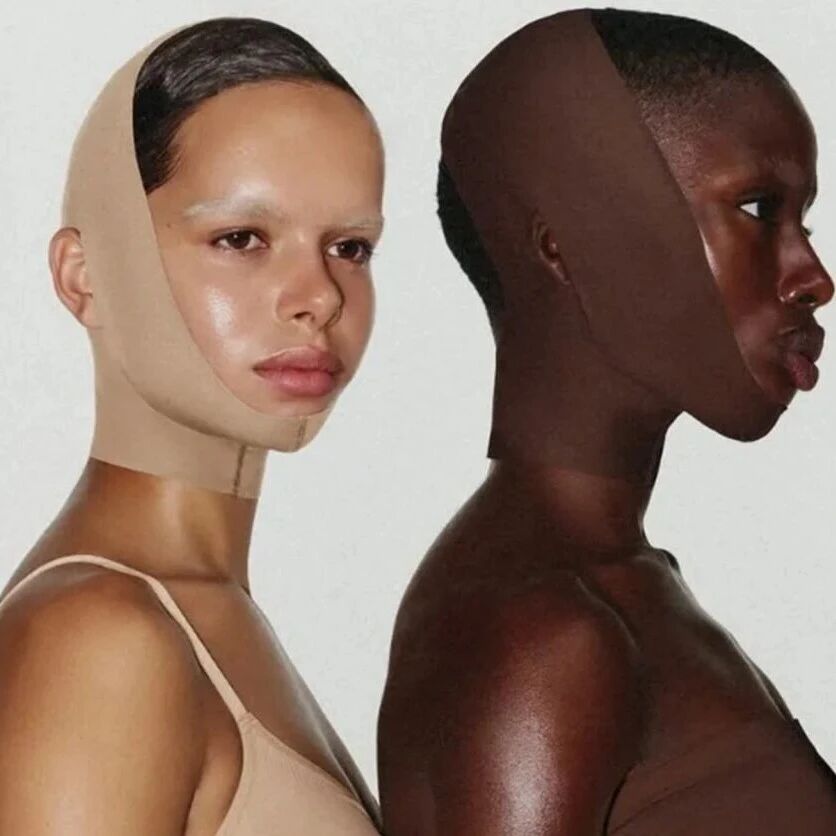
Group 1 - The article discusses the trend of "digital retreat" among Generation Z in the United States, where young people choose to disconnect from social media and external noise for mental health reasons [5][8] - A report from the dating app Hinge reveals that over half of Generation Z struggles to pursue romantic interests due to fear of awkwardness, leading to a state of inaction [9] - McDonald's launched a summer experience called "McDonaldland" in 13 cities, creating a nostalgic theme park atmosphere that attracted significant attention and long queues for limited-time products [10][12] Group 2 - Louis Vuitton opened its first beauty boutique in Nanjing, signaling strong interest in the Chinese market, with lipstick priced at 1200 yuan, significantly higher than most luxury brands [16][18] - IKEA has partnered with JD.com to launch an online flagship store, catering to young consumers' demand for high-quality and cost-effective shopping experiences [19] - A design studio in New York created a 44-liter backpack resembling an oversized AirPods case, showcasing a trend of absurdity in consumer products [20][22] Group 3 - Miu Miu and L'Oréal launched their first collaborative perfume "Miutine," marking Miu Miu's entry into the beauty market and L'Oréal's expansion into high-end fragrances [25][27] - The Y3K aesthetic, representing a futuristic style, is gaining traction, with Nike releasing the Air Max Muse series, which quickly sold out [32][34] - Tsutaya Bookstore announced the closure of its Chengdu location, highlighting challenges faced by Japanese-style bookstores in China due to high pricing and low consumer willingness to pay [36][38] Group 4 - The Row's $690 flip-flops became a viral sensation, despite criticism regarding their quality and comfort, illustrating the phenomenon of luxury items serving as status symbols [42][44] - SKIMS introduced a "facial shaping garment," reflecting the lengths consumers will go to for beauty, with the product quickly selling out [45][47]