Moutai Liquor

Search documents
贵州茅台再捐1亿助学 14亿为26万学子圆梦
Chang Jiang Shang Bao· 2025-11-13 23:59
Core Points - Guizhou Moutai has donated 100 million yuan to the China Youth Development Foundation for the "China Moutai·National Pillar" Hope Project, continuing its annual commitment to support students [1][2] - Since its inception in 2012, Guizhou Moutai has contributed over 1.4 billion yuan, benefiting more than 260,000 students across 31 provinces and regions [1][2] - The project aims to enhance educational support through a new "1+4" project matrix, which includes various initiatives to foster student development beyond financial aid [3][5] Summary by Sections Donation and Commitment - Guizhou Moutai has reaffirmed its commitment by donating 100 million yuan, marking its annual pledge to support students [2] - The donation will provide 5,000 yuan per student, with a total of 83.22 million yuan allocated to assist 16,644 students by 2025 [2] Project Achievements - The "China Moutai·National Pillar" project has successfully funded over 260,000 economically disadvantaged students, with 6.58 billion yuan distributed in Guizhou alone [2][3] - The project has seen 215,000 Moutai students graduate and contribute positively to society [3] Strategic Upgrade - The initiative has evolved from merely providing financial aid to a comprehensive educational support strategy, introducing the "1+4" project matrix to enhance student engagement and development [5] - Guizhou Moutai aims to integrate its philanthropic efforts with national strategies, focusing on talent cultivation and social responsibility [4][6] Future Plans - Guizhou Moutai plans to expand its philanthropic efforts into various sectors, including education, healthcare, and cultural preservation, while establishing a robust public welfare platform [6] - The company aims to leverage its resources to create a broader impact through collaborative efforts with industry partners [6]

茅台董事长是高处不胜寒,茅台长远发展问题关键在于思考这几条?
Sou Hu Cai Jing· 2025-10-28 03:50
Core Viewpoint - Moutai has appointed a new chairman, Chen Hua, following the departure of Zhang Deqin after a brief tenure of one and a half years, amidst a challenging new cycle for the liquor industry in 2025 [2] Group 1: Leadership Changes - Moutai has experienced a total of 10 chairmen since its establishment over 70 years ago, indicating a pattern of frequent leadership changes [3][4] - The company’s decision-making and strategic direction remain largely government-led, which can lead to issues such as decision-making errors and a lack of long-term vision [3] Group 2: Challenges and Considerations - Frequent leadership changes may hinder effective decision-making, as new leaders require time to understand internal and external conditions [7] - Moutai should maintain its focus on high-end "luxury" positioning in the liquor market, avoiding dilution of brand value through over-diversification [7] - To be recognized as an industry leader, Moutai must not only focus on its own growth but also create opportunities for other enterprises in the industry [7] - The government should adopt a more trusting approach towards high-level management, implementing strict tenure systems to encourage long-term planning rather than short-term gains [7]

贵州茅台: 贵州茅台2024年度股东大会决议公告
Zheng Quan Zhi Xing· 2025-05-19 13:00
Meeting Overview - The shareholders' meeting of Kweichow Moutai Co., Ltd. was held on May 19, 2025, at the Moutai Conference Center in Renhuai City, Guizhou Province [1] - The meeting was convened by the board of directors and chaired by Chairman Zhang Deqin, following legal and regulatory requirements [1] Voting Results - All proposed resolutions were approved with significant majority votes, including: - A resolution with 911,255,695 votes in favor (99.8666%) [1] - Another resolution with 912,070,535 votes in favor (99.9559%) [1] - A resolution regarding the appointment of Tianjian Accounting Firm for the 2025 financial audit, approved with 907,643,926 votes in favor (99.4708%) [2] Shareholder Participation - The meeting included participation from ordinary shareholders and preferred shareholders with restored voting rights, excluding shares in the company's repurchase account [1] - The voting method combined on-site and online voting, ensuring compliance with the Company Law and Articles of Association [1] Legal Verification - The meeting was witnessed by lawyers from King & Wood Mallesons, confirming that the convening and procedures adhered to relevant laws and regulations [2]
全球百强品牌总价值突破10万亿美元 中外品牌深度融合
Zhong Guo Jin Rong Xin Xi Wang· 2025-05-16 13:31
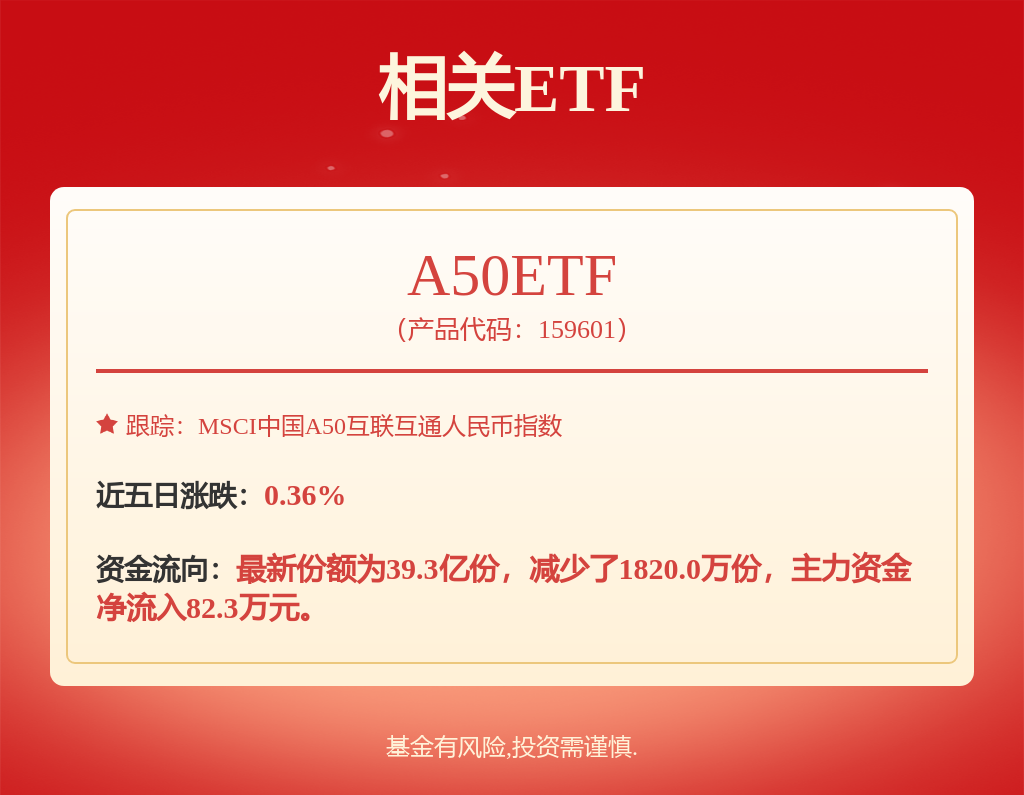
Core Insights - The total value of the top 100 global brands reached $10.7 trillion in 2025, marking a 29% year-on-year increase, primarily driven by strong performance from technology-driven brands [1][2]. Company Highlights - Apple retained its position as the most valuable brand with a value of $1.3 trillion, a 28% increase from 2024, accounting for over 12% of the total value of the top 100 brands [2][4]. - Google and Microsoft followed, with brand values of $944.1 billion (+25%) and $884.8 billion (+24%) respectively [2]. - Notable growth was observed in Nvidia, which saw a 152% increase in brand value to $509.4 billion, and Instagram, which grew by 101% to $228.9 billion [2][4]. - Chinese brands made a significant impact, with 12 brands listed and a total value increase of 26%, ranking second globally in growth [2][4]. Industry Trends - The retail sector continued its growth trend from 2022, with an overall brand value increase of 48% [4]. - In contrast, the apparel, food and beverage, and personal care sectors experienced stagnation or decline in brand value [4]. - The luxury goods sector, which had maintained growth since 2020, saw a 2% decline in 2025, possibly due to a shift in consumer preferences towards lifestyle experience products [4]. - The alcoholic beverage sector faced a significant impact from younger consumers, with a decline of 11% [4]. Brand Evolution - Since 2006, nearly 71% of the value created by the top 100 brands has come from brands that disrupt industry norms or innovate [3][5]. - The BrandZ ranking reflects the globalization of the Chinese economy, showcasing how brands that meet or redefine consumer needs have reshaped the global brand landscape [5][6].