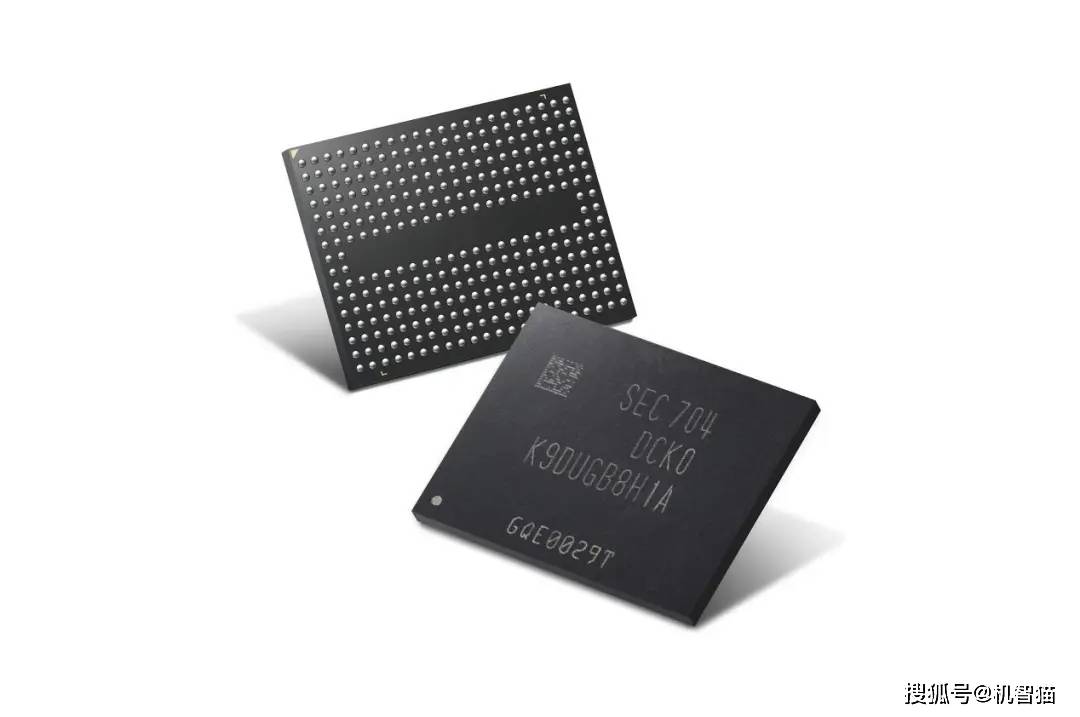
NAND Flash闪存

Search documents
日本突发7.6级地震,对半导体产业影响几何?
Sou Hu Cai Jing· 2025-12-09 02:17
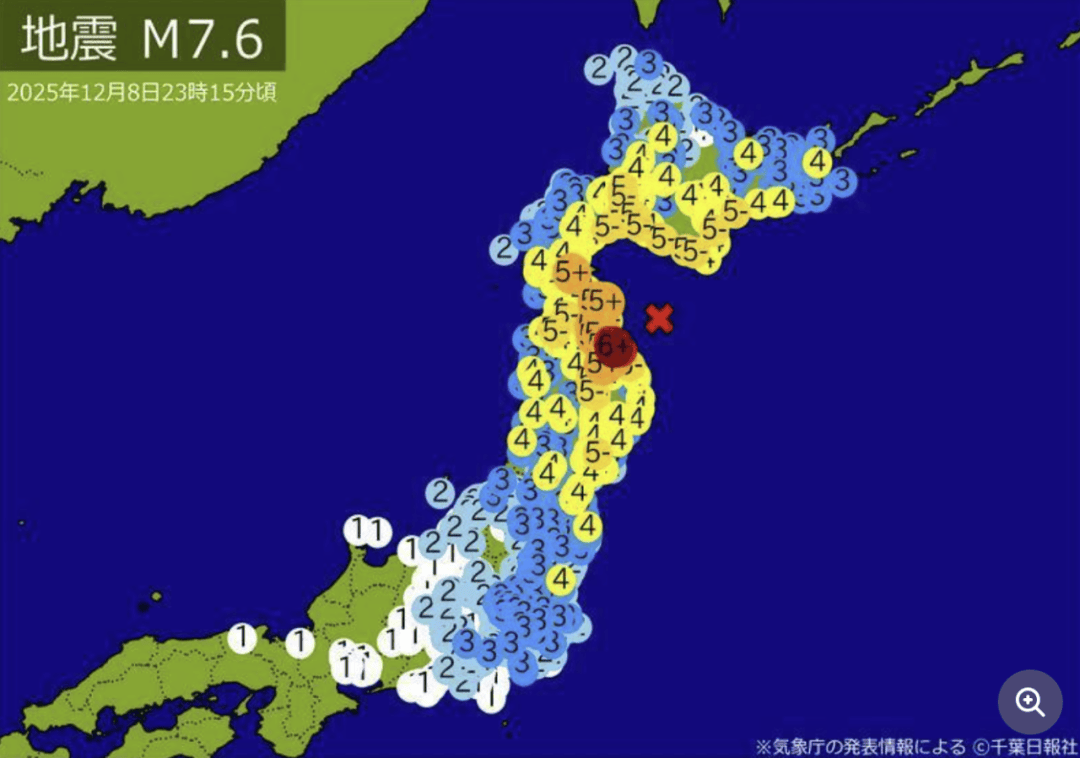
Group 1 - A 7.6 magnitude earthquake struck the eastern sea area of Aomori Prefecture, Japan, on December 8, causing significant tremors and tsunami warnings in Aomori, Iwate, and Hokkaido [1][5] - The earthquake resulted in tsunami waves reaching up to 70 cm in Iwate, 50 cm in Hokkaido, and 40 cm in Aomori, with Aomori experiencing intense shaking classified as "upper six" on the Japanese seismic intensity scale [5] - Approximately 2,700 households in Aomori experienced power outages due to the earthquake, while nuclear power plants in the affected regions reported no abnormalities [5] Group 2 - The earthquake's impact on Japan's semiconductor industry is a concern, as the affected areas include regions critical to semiconductor manufacturing [5] - Major semiconductor companies located in Iwate Prefecture include Kioxia's Fab 1 and Fab 2, Toshiba Semiconductor, and Japan Semiconductor Corporation, all of which are situated in areas with a seismic intensity of "4" [6][8] - In Aomori, semiconductor testing equipment manufacturer MJC and PVD equipment manufacturer ULVAC have facilities in areas with seismic intensities of "4" and "6+" respectively, while the only semiconductor manufacturer in Hokkaido, Rapidus, is constructing a 2nm wafer plant in an area with a seismic intensity of "5-" [8] - While some semiconductor companies near the epicenter may face operational disruptions, the overall impact on the global semiconductor supply chain is expected to be limited, although any disruption at Kioxia's NAND Flash facility could exacerbate current shortages and price increases [8]

中芯国际毛利率及产能指标修复,存储资本支出或对位元出货支撑有限 | 投研报告
Zhong Guo Neng Yuan Wang· 2025-11-20 02:04
Core Viewpoint - SMIC's Q3 2025 revenue reached $2.382 billion, a 7.8% quarter-on-quarter increase, exceeding previous guidance [1][2] - Gross margin improved to 22.0%, up 1.6 percentage points from the previous quarter, also above prior guidance [1][2] - Capacity utilization rose to 95.8%, a 3.3 percentage point increase quarter-on-quarter, with monthly capacity exceeding 1 million wafers [1][2] Group 1: SMIC Performance - In Q3 2025, SMIC's revenue, gross margin, and capacity metrics showed expected recovery [2] - The company reported an increase in shipment volume and average selling price quarter-on-quarter, contributing to the improved gross margin [2] - The revenue contribution from consumer electronics, industrial and automotive, and computers and tablets increased quarter-on-quarter, while mobile revenue saw a seasonal decline [2] Group 2: Industry Trends - Major storage manufacturers are raising prices, with SanDisk increasing NAND Flash contract prices by 50% in November, following a 10% increase in September [3] - Samsung Electronics raised prices of certain DRAM chips (DDR5) by 60% compared to September [3] - TrendForce indicates that while average selling prices for memory continue to rise, capital expenditure for bit output growth in 2026 will be limited [3] Group 3: Investment Strategy - The demand for AI computing power and the push for semiconductor self-sufficiency are expected to enhance domestic foundry capabilities in advanced processes and larger production volumes [4] - Companies such as SMIC and Hua Hong Semiconductor are recommended for their anticipated performance and valuation improvements [4] - Attention is also drawn to the expansion of storage capacity and its impact on domestic semiconductor front-end and bonding equipment, as well as HBM's influence on advanced packaging technologies [4]

堪比黄金!手机存储的价格最近疯了
Sou Hu Cai Jing· 2025-11-10 09:45
Core Insights - The price of storage chips is experiencing unprecedented increases, with SanDisk raising NAND Flash contract prices by 50%, indicating a tightening market overall [1] - This marks SanDisk's third price increase in 2023, following a 10% increase in April and another 10% in September, with expectations of continued supply shortages until the end of 2026 [1] Group 1: NAND and DRAM Market Dynamics - TrendForce reports that DRAM prices surged by 171.8% year-on-year in Q3 2025, with major manufacturers like Samsung halting DDR5 contract quotes, leading to significant supply chain disruptions [3] - The price adjustments by SanDisk have significantly impacted downstream storage supply chains, prompting manufacturers like Transcend and Innodisk to pause shipments and reassess pricing strategies [3] - Transcend's chairman noted that the demand for DRAM and NAND Flash driven by artificial intelligence is unprecedented, with NAND Flash price increases just beginning [3] Group 2: Impact on Consumer Electronics - The rising storage prices are affecting the cost structure of smartphones, with some configurations now accounting for over 20% of the total cost [5] - Smartphone manufacturers, particularly in the mid-range segment, are facing pressure to raise prices due to increased component costs, risking consumer backlash and potential loss of market share [5] - High-margin brands like Apple are less affected, as the price differences between storage options in models like the iPhone 17 Pro allow for more flexibility in pricing strategies [9] Group 3: Consumer Considerations - Consumers are advised to reassess their storage needs, as 256GB is sufficient for most users, and alternatives like cloud storage can alleviate local storage pressures [9] - The trend of rising storage prices is expected to continue in the short term, suggesting that consumers should consider purchasing during major sales events to mitigate costs [10]