Phi系列视觉语言模型

Search documents
微软研究院发布Rho-alpha机器人模型,融合了视觉、语言和触觉功能
Sou Hu Cai Jing· 2026-02-06 21:19
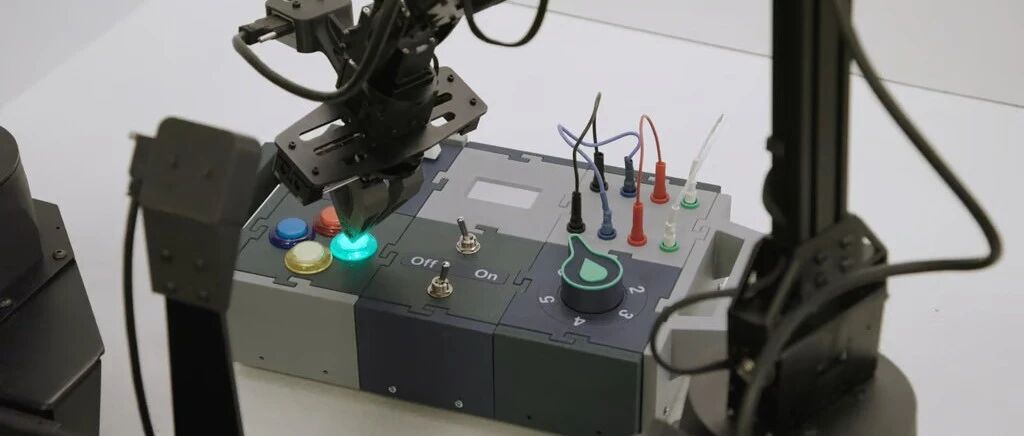
Core Insights - Microsoft Research has launched Rho-alpha, a new robotic model designed to help robots understand natural language commands and perform complex physical tasks in less structured environments [1] - Rho-alpha aims to advance the next generation of robotic systems, enabling them to perceive, reason, and act in dynamic real-world settings [1] - The model is part of a trend towards "visual-language-action" models that enhance the autonomy of physical systems [1] Group 1 - Rho-alpha integrates touch data and is currently being researched to support additional sensory modalities, such as force sensing [2] - The model is designed to improve continuously during deployment by learning from user feedback during interactions with robots [2] - The training of Rho-alpha heavily relies on synthetic data, utilizing a multi-stage training process that combines reinforcement learning and simulation technology [2] Group 2 - A major challenge for foundational models is the lack of diverse real-world robotic data [4] - Researchers are collaborating with Microsoft to enhance pre-training datasets using synthetic demonstrations, addressing the impracticality of remote operation in many cases [4] - NVIDIA emphasizes the role of synthetic data in accelerating the development of robotic technologies, highlighting the collaboration with Microsoft to generate high-fidelity synthetic datasets [4] Group 3 - Microsoft has opened registration for the early access program for Rho-alpha and plans to release more updates on its robotic research in the coming months [4]



微软Rho-alpha模型能否把机器人真正带入物理智能的世界?
Sou Hu Cai Jing· 2026-01-29 16:14
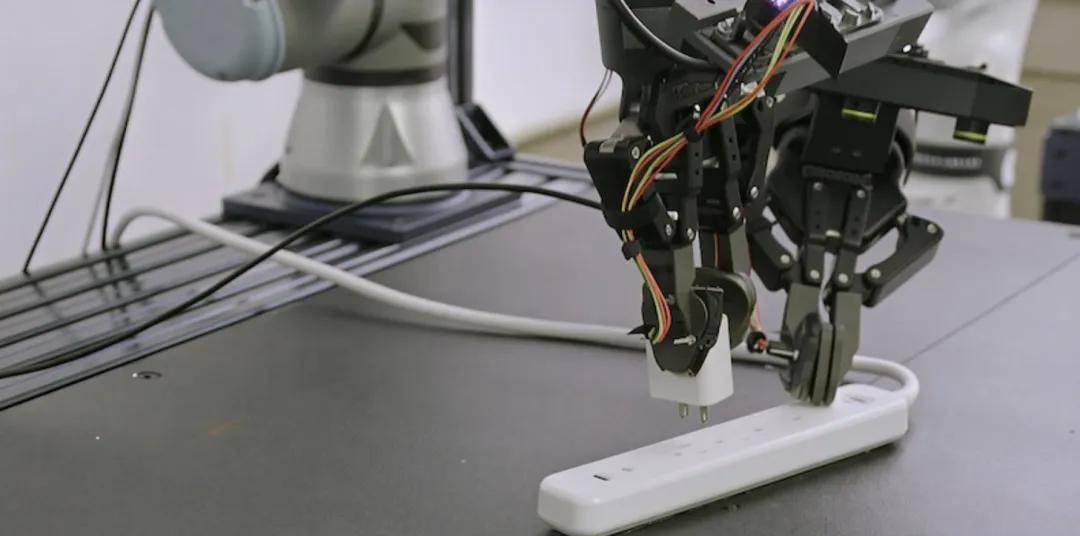
Core Insights - Microsoft has launched its first robot-specific Rho-alpha model, which innovatively incorporates a tactile perception module alongside visual and language capabilities, marking a significant advancement in physical intelligence for robots [1][4][6] Group 1: Model Capabilities - Rho-alpha is designed to convert natural language instructions into control signals for robots, enabling them to perform complex tasks that require coordinated hand movements [4][6] - The model aims to break the limitations of robots operating only in highly controlled environments, allowing them to work in real-world scenarios filled with uncertainty [6][10] - Rho-alpha integrates tactile feedback into its decision-making process, allowing robots to adjust their actions based on physical contact, which is a significant departure from traditional models that primarily rely on visual information [7][8] Group 2: Training and Learning - The model employs a novel training approach that combines real robot demonstration data, simulation task data, and large-scale visual question-answering data, addressing the long-standing data scarcity issue in robotics [9] - Rho-alpha features strong continuous learning capabilities, enabling it to optimize its performance based on human feedback during actual operations [9] Group 3: Industry Implications - The introduction of Rho-alpha signifies a fundamental shift in the focus of humanoid robotics from hardware and control algorithms to foundational models as the new competitive core [10][12] - The industry is witnessing a competitive landscape where major players like Tesla, Google, and Microsoft are pursuing different technological routes, with Microsoft emphasizing a "foundation model + cloud + ecosystem" strategy [12] - As the robotics sector evolves, the ability to define the next generation of foundational models will be crucial for companies to secure their future in the market [12]
微软Rho-alpha模型能否把机器人真正带入物理智能的世界?
机器人大讲堂· 2026-01-29 14:00
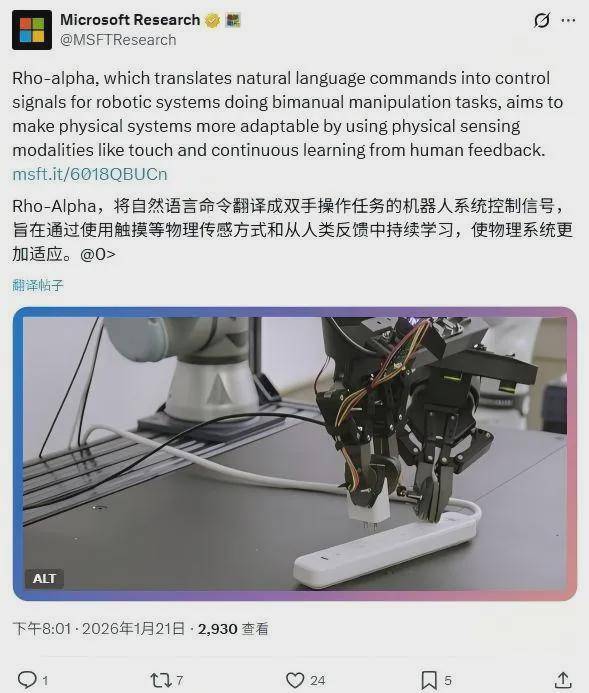
Core Viewpoint - Microsoft has launched the Rho-alpha model, a robot-specific model that integrates visual, language, and tactile perception, marking a significant advancement in robotics by enabling robots to operate in complex real-world environments [1][5][7]. Group 1: Rho-alpha Model Overview - Rho-alpha is designed to convert natural language instructions into control signals for robots, facilitating collaborative tasks [5][10]. - The model aims to break the limitations of robots operating only in highly controlled environments, allowing for autonomous action generation in unpredictable settings [7][10]. - This technology, termed "Physical AI," extends AI capabilities from the digital realm to direct interaction with the physical world [7][10]. Group 2: Key Differentiators - Rho-alpha incorporates tactile perception into its core decision-making process, a significant departure from existing VLA (Visual-Language-Action) models that primarily rely on visual data [9][10]. - The model's ability to dynamically adjust actions based on tactile feedback enhances its operational dexterity, allowing robots to determine not just what an object is, but also whether it can be manipulated [9][10]. - Rho-alpha's training integrates real robot demonstration data, simulation tasks, and large-scale visual question-answering datasets, addressing the data scarcity issue in robotics [10][11]. Group 3: Technological Shift in Robotics - The focus of humanoid robotics is shifting from hardware and control algorithms to foundational models as the new competitive core [12][14]. - Different technological approaches are emerging in the industry, with Microsoft pursuing a "foundation model + cloud + ecosystem" strategy, contrasting with Tesla's "hardware + data loop" and Google's "algorithm + top-tier robot body" [14]. - Rho-alpha is still in the research phase and faces challenges such as generalization in diverse scenarios, cost control, and safety assurance for large-scale deployment [14].