SEV

Search documents
增程能再救一次合资和豪华品牌们么?
Hu Xiu· 2025-07-10 09:23
Core Insights - The article discusses the resurgence of range-extended electric vehicle (REEV) technology among joint venture and luxury brands, highlighting its potential to influence their future product strategies [1][8][39] - Companies like SAIC Volkswagen and GAC Toyota are set to introduce new vehicles utilizing REEV technology, while BMW and Mercedes-Benz are also considering entering this market [2][7][27] - The article reflects on the initial skepticism surrounding REEV technology, particularly during the early days of Li Auto, and contrasts it with the current renewed interest from established brands [6][22][39] Group 1: Industry Trends - The adoption of REEV technology is seen as a strategic pivot for traditional and luxury brands, which previously focused on pure electric and hydrogen technologies [8][22] - GAC Toyota's decision to implement REEV in models like the next-generation Highlander and Sienna indicates a shift towards more family-oriented vehicles [10][12] - The article notes that GAC Toyota's diverse powertrain options, including hybrid and hydrogen, make their move into REEV somewhat unexpected [9][10] Group 2: Company Strategies - SAIC Volkswagen's "Joint Venture 2.0" strategy emphasizes a collaborative approach, integrating local technology and consumer insights into product development [18][20] - The article highlights that the success of GAC Toyota's recent models is linked to their willingness to empower local teams, suggesting that this approach could enhance their competitiveness in the domestic market [17][21] - BMW's exploration of REEV technology for models like the sixth-generation X5 reflects a broader trend among luxury brands to reconsider their technological strategies in response to market demands [27][29] Group 3: Consumer Insights - The article emphasizes that consumer preferences in China are shifting towards vehicles that offer low energy consumption, convenient refueling options, and extended range, rather than a strict adherence to specific technologies [27][39] - Li Auto's focus on creating a "mobile home" experience for users illustrates the importance of addressing practical consumer needs in the design of electric vehicles [35][39] - The discussion around REEV technology serves as a litmus test for how well traditional brands can adapt to the evolving expectations of Chinese consumers [37][39]


最“抠”董事长?理想汽车李想回应两万元预算都要审批:养成了精打细算的习惯
Mei Ri Jing Ji Xin Wen· 2025-05-14 07:41
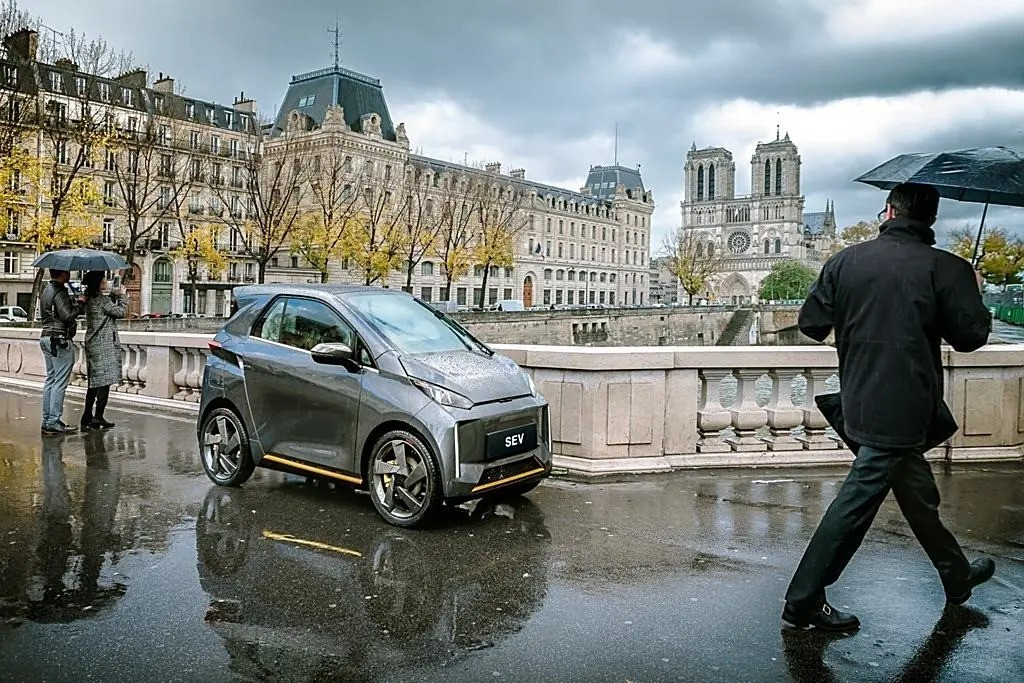
Core Viewpoint - Li Auto has demonstrated a strong focus on cost control and budget management, which has contributed to its financial success and ability to achieve profitability in a challenging market environment [1][4]. Group 1: Early Challenges and Financial Discipline - Li Auto faced significant challenges in securing early-stage financing, with CEO Li Xiang recounting experiences of meeting numerous investors without success [1][3]. - The company has maintained a strict budget approval process, with even minor expenditures requiring oversight, reflecting a culture of frugality established from its inception [1][3]. - Li Xiang emphasized the importance of avoiding unnecessary spending, stating that a small oversight could lead to larger financial issues, thus reinforcing the company's stringent financial discipline [3]. Group 2: Cost Management and Competitive Position - Li Auto is recognized for its low marketing expenses, with a market expense rate of only 0.6%, significantly lower than competitors, which indicates effective cost management strategies [3][4]. - The company's management expense ratio for 2023 was reported at 7.89%, a decrease of 4.62 percentage points year-on-year, while competitors like NIO and Xpeng had ratios of 23.17% and 21.38%, respectively [3]. - Li Auto became the first among new domestic car manufacturers to achieve profitability, reporting a net profit of 8 billion yuan in 2024, with a gross margin of 19.8% for its automotive business [4]. Group 3: Prioritization of Safety and Quality - Despite its stringent cost control measures, Li Auto prioritizes safety-related expenditures, allowing for flexibility in budget approvals when it comes to enhancing vehicle safety [4].