SPARKX i7

Search documents
CES硬核科技刷屏,广东力量秀出“中国方案”
21世纪经济报道· 2026-01-09 07:53
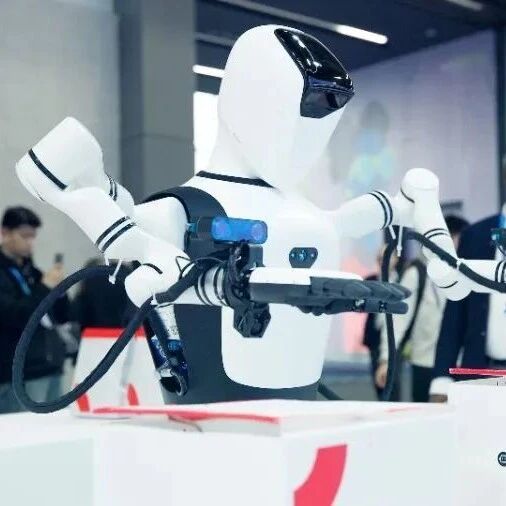
Core Viewpoint - The CES 2026 showcased significant advancements in technology, particularly highlighting the strong presence and innovation of Guangdong enterprises in the global tech landscape [1][2]. Group 1: Guangdong's Presence at CES - Guangdong had a remarkable representation at CES, with 837 companies from mainland China and 530 from Guangdong, including 370 from Shenzhen, making up 44.2% of the mainland exhibitors [1]. - The event highlighted Guangdong's innovation in various sectors, including smart hardware, AI-integrated products, and robotics, establishing the region as a key player in global tech innovation [1][2]. Group 2: Robotics and AI Innovations - The emergence of embodied intelligent robots was a focal point, with companies like SUTENG showcasing their autonomous delivery robot capable of performing nearly 20 complex tasks [3][5]. - The robotics industry is transitioning from mere demonstrations to practical applications, with companies like ZHONGQING making strides in real-world scenarios such as logistics and public services [5][6]. Group 3: Energy Solutions and Smart Technologies - Energy tech companies presented solutions for smart and decentralized energy management, including products like the Explorer 1500 Ultra and innovative outdoor solar solutions [8][9]. - The integration of AI in energy solutions is aimed at enhancing efficiency and supporting the transition to automated driving technologies [8][9]. Group 4: Globalization and Market Strategy - Guangdong enterprises are evolving from simple product exports to comprehensive global strategies that include technology, branding, and ecosystem development [12][15]. - Companies like TCL and CHUANGXIANG SANWEI are focusing on localizing their operations and building service ecosystems in international markets to enhance brand recognition and customer engagement [12][13]. Group 5: Shifting Market Dynamics - The narrative of Guangdong companies has shifted from being followers to leaders in the global tech arena, with a focus on technological innovation and brand influence [17][19]. - The efficient supply chain in Guangdong is a critical factor enabling rapid product iteration and technological advancements, positioning these companies favorably in the competitive landscape [21].

CES硬核科技刷屏,广东力量秀出“中国方案”
2 1 Shi Ji Jing Ji Bao Dao· 2026-01-09 06:05
Core Insights - The CES 2023 showcased significant technological innovations, particularly highlighting the strong presence of Guangdong companies, which accounted for a substantial portion of the exhibitors [1][10] - The event emphasized the transition of robotics and AI technologies from experimental stages to practical applications, with Guangdong firms leading this shift [3][4][14] Group 1: Guangdong's Presence at CES - A total of 3,302 companies participated in CES 2023, with 837 from mainland China, 127 from Taiwan, and 98 from Hong Kong; Guangdong alone had over 530 exhibitors, including 370 from Shenzhen, representing 44.2% of mainland China's participation [1] - Guangdong companies showcased a range of innovative products, including smart robots, 3D printing technologies, and AI-integrated devices, reflecting their growing influence in global tech innovation [1][10] Group 2: Robotics and AI Innovations - The event featured significant advancements in embodied intelligent robots, with companies like SUTENG showcasing a delivery robot capable of performing complex tasks autonomously, highlighting the practical applications of AI in logistics and service sectors [3][4] - The robotics industry is moving towards large-scale validation, with companies focusing on real-world productivity rather than just technological demonstrations, indicating a maturation of the sector [4][5] Group 3: Energy Technology and Smart Solutions - Energy technology firms presented solutions for smart and decentralized living, with products like the Explorer 1500 Ultra and Jackery Solar Gazebo, which integrate energy independence into household infrastructure [5][6] - The emergence of intelligent charging networks for autonomous vehicles was also highlighted, showcasing the integration of AI in future transportation solutions [6] Group 4: Globalization and Market Strategy - Guangdong companies are increasingly adopting comprehensive globalization strategies, moving beyond simple product exports to include technology, brand, and ecosystem development [7][10] - Companies like TCL and EcoFlow are focusing on localizing operations and building service ecosystems in international markets to enhance brand recognition and customer engagement [8][9] Group 5: Supply Chain and Innovation - The robust supply chain ecosystem in Guangdong is a critical factor in the rapid iteration and commercialization of innovative products, enabling companies to achieve significant technological breakthroughs [13][14] - The emphasis on R&D investment and the efficiency of the supply chain have strengthened the competitive position of Guangdong firms in the global market [13]
从3D打印到桌面CNC,中国创客硬件集体破圈丨36氪直击CES
36氪· 2026-01-06 13:36
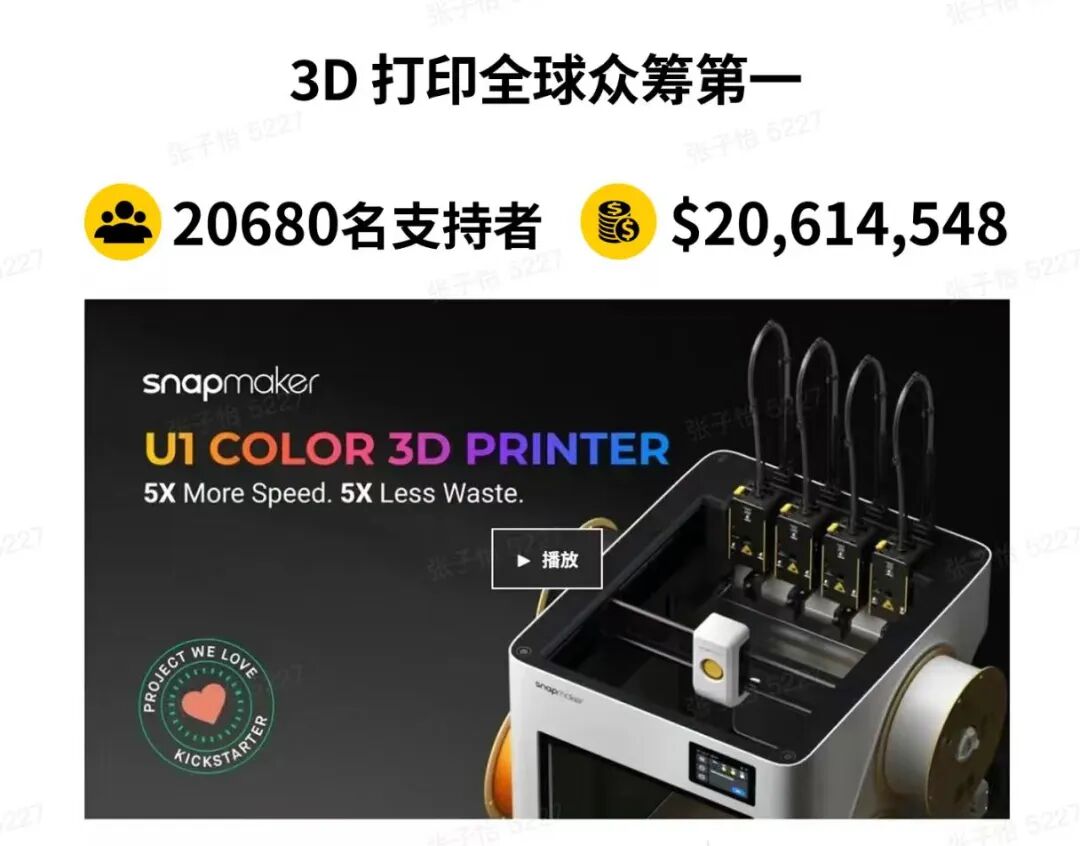
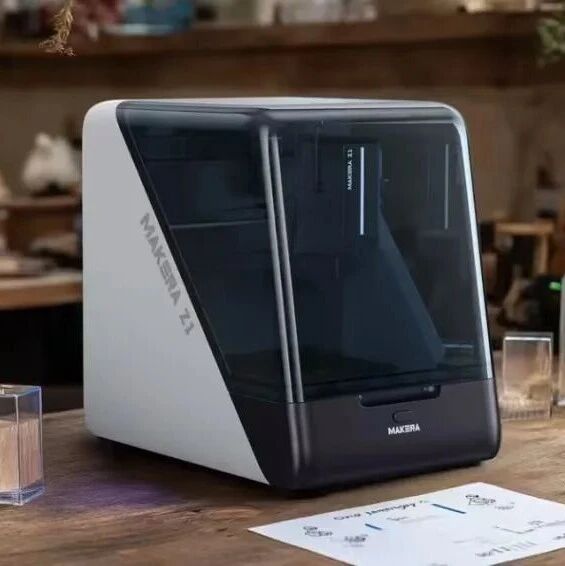
Core Viewpoint - The hardware industry is experiencing intense competition, particularly in the Maker segment, where companies are rapidly innovating and launching new products to capture market share [5][7][9]. Group 1: Industry Trends - The CES event showcases a variety of ambitious products from Chinese companies, including humanoid robots and innovative mobile devices, indicating a vibrant and competitive hardware landscape [4]. - The Maker tools segment has transformed from niche, high-cost products to widely accessible tools, with significant crowdfunding successes reported [8][28]. - Companies like xTool and Snapmaker are leading the charge in the Maker space, with xTool's UV printer and Snapmaker's 3D printer achieving impressive crowdfunding results [11][16]. Group 2: Product Innovations - xTool's new desktop UV printer utilizes UV-LED curing technology, allowing for high-precision printing on various materials, and is positioned to capitalize on market opportunities following the success of competitors [11][13]. - Snapmaker's U1 3D printer has set a record on Kickstarter, emphasizing speed and efficiency in multi-color printing, which is becoming a standard in the consumer market [16][19]. - The introduction of user-friendly features in CNC devices, such as the Makera Z1, is lowering barriers to entry and expanding the audience for these tools [27][28]. Group 3: Market Dynamics - The competition in the Maker tools market is intensifying, with companies needing to differentiate their products through innovation and user engagement [15][21]. - The shift towards multi-color printing in 3D printers is gaining traction, with significant market demand for such capabilities, reflecting a broader trend in consumer preferences [32][34]. - The Maker community is evolving, with tools transitioning from being seen as niche products to essential resources for small businesses and individual entrepreneurs [35].
从3D打印到桌面CNC,中国创客硬件集体破圈|硬氪直击CES
3 6 Ke· 2026-01-06 02:51
Core Insights - The CES event showcases a significant presence of Chinese companies, highlighting the competitive landscape in the hardware industry, particularly in the Maker sector [1] - The Maker tools market has rapidly evolved from niche products to mainstream offerings, with companies achieving impressive crowdfunding results [2][3] - The introduction of innovative products, such as xTool's desktop UV printer and Snapmaker's 3D printer, reflects a shift towards user-friendly designs and enhanced functionalities [6][10] Group 1: Product Innovations - xTool's new desktop UV printer utilizes UV-LED curing technology, allowing for high-precision color printing on various materials [6] - Snapmaker U1, a 3D printer, achieved over $20 million in crowdfunding, emphasizing its rapid development and market acceptance [10][13] - The introduction of features like multi-color printing and waste reduction technologies is becoming standard among new products, enhancing their appeal [14][20] Group 2: Market Dynamics - The Maker tools market is experiencing increased competition, with companies like xTool and Snapmaker pushing the boundaries of product capabilities [5][6] - Crowdfunding successes indicate a growing consumer interest and market potential for Maker tools, with some products achieving over $10 million in funding [2][17] - The shift from industrial-grade CNC machines to more accessible desktop versions is expanding the user base and redefining productivity in creative fields [4][15] Group 3: User Engagement and Community - Companies are adopting co-creation strategies, inviting community input in product development to enhance user engagement and meet market demands [8][9] - The social aspect of Maker tools is becoming more pronounced, with features that allow users to share their creative processes on social media [18][19] - The demographic of users is shifting from niche enthusiasts to small business owners, indicating a broader acceptance and utilization of Maker technologies [21][22]