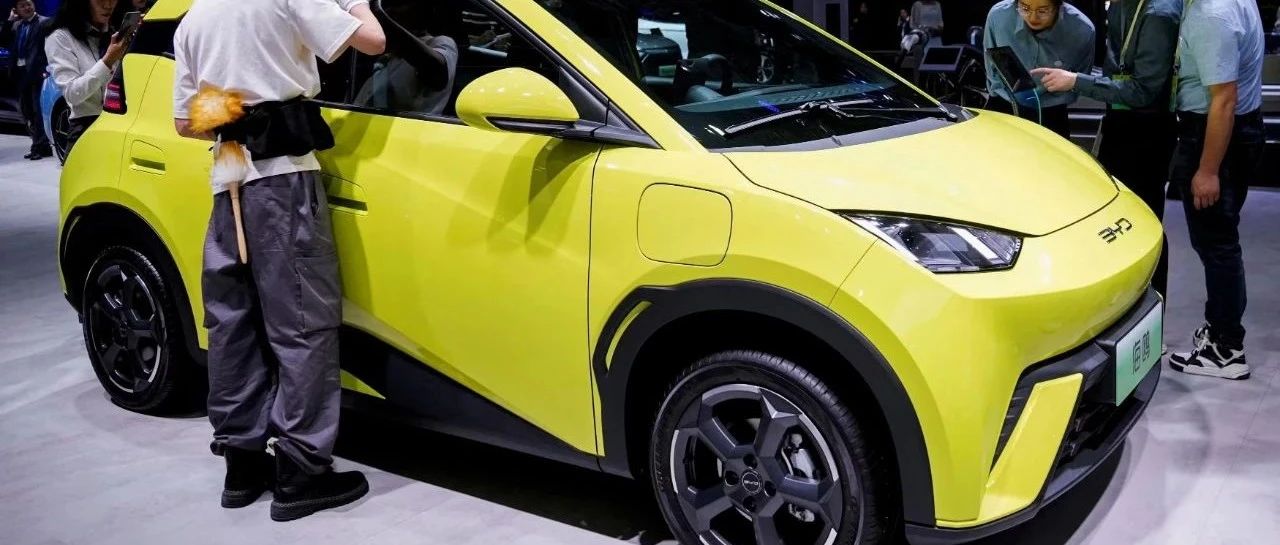
eK Cross EV

Search documents
本田将推出纯电版N-BOX,迎战比亚迪
日经中文网· 2025-12-24 03:26
Core Viewpoint - The N-BOX has maintained its position as the best-selling new car in Japan for three consecutive years, with projected sales of approximately 200,000 units in 2024. The introduction of electric versions by both Honda and BYD is expected to enhance the competitiveness of lightweight EVs in the Japanese market [1][3]. Group 1: N-BOX Sales and Market Position - The N-BOX is projected to achieve sales of around 200,000 units in Japan in 2024, surpassing the Toyota Corolla, and has been the top-selling model for three consecutive years [1][3]. - The N-BOX has accumulated total sales of approximately 3 million units since its first generation was launched in 2011, supported by its spacious interior and affordable price starting from 1.7 million yen [3]. Group 2: Electric Vehicle (EV) Market Dynamics - Honda plans to launch a pure electric version of the N-BOX by the fiscal year 2027, while BYD aims to introduce its lightweight EV in Japan by the summer of 2026, ahead of Honda [1][6]. - The current market share of EVs in Japan is around 2%, which is the lowest among developed countries, indicating significant room for growth [4]. - The lightweight EVs, such as Nissan's "Sakura" and Mitsubishi's "eK Cross EV," are expected to account for over 40% of EV sales in 2024, highlighting the compatibility of lightweight vehicles with urban mobility needs [4]. Group 3: Incentives and Regulations - In Japan, purchasing lightweight EVs comes with subsidies and tax reductions in the second year of ownership, which could accelerate their adoption if prices can be brought down to levels comparable to gasoline vehicles [4].



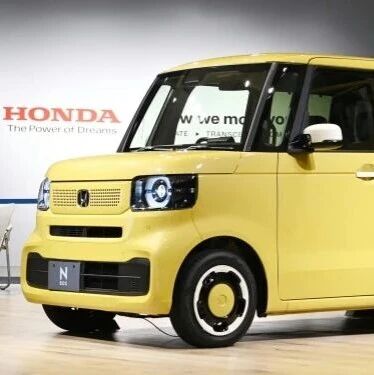
比亚迪挑战日本圣域“轻”(上)
日经中文网· 2025-07-16 03:16
Core Viewpoint - BYD is set to challenge the Japanese light vehicle market, a sector traditionally protected and dominated by local manufacturers, by leveraging its competitive pricing and tailored product offerings [1][15]. Group 1: Market Entry Strategy - BYD plans to enter the Japanese light vehicle market, which includes vehicles with engine displacements under 660cc, by focusing on customer needs in design, functionality, and sales methods [1][5]. - The decision to enter this market was influenced by BYD Chairman Wang Chuanfu's observations of the prevalence of light vehicles in Japan during a visit in 2023 [4][11]. - The company aims to develop a light electric vehicle (EV) within a two-year timeframe, with a target launch in the second half of 2026 [3][7]. Group 2: Product Development - BYD has developed a dedicated chassis for light EVs and identified popular models to emulate, such as the Honda N-BOX and Daihatsu Tanto, focusing on features like increased height and storage space [6][12]. - The company plans to implement a "CTB" (cell-to-body) structure to maximize battery capacity and cabin space, and will also incorporate sliding doors, a feature popular in the N-BOX [12][13]. Group 3: Competitive Landscape - The light vehicle segment accounts for nearly 40% of new car sales in Japan, presenting a significant opportunity for BYD, especially as it aims to price its vehicles below 2.5 million yen [13]. - Japanese automakers, including Suzuki and Daihatsu, are preparing to respond to BYD's entry by enhancing their own EV offerings and maintaining competitive pricing strategies [13][14]. - Historically, foreign automakers have struggled to penetrate the Japanese light vehicle market, with past attempts by companies like DaimlerChrysler ending in withdrawal [5][15]. Group 4: Sales and Distribution - BYD is adopting a traditional sales approach with physical stores, contrasting with competitors like Tesla that focus on online sales, and plans to expand its dealership network in Japan [13]. - The company has already established 63 sales locations across Japan and aims to increase this number to 100 by 2025 [13].
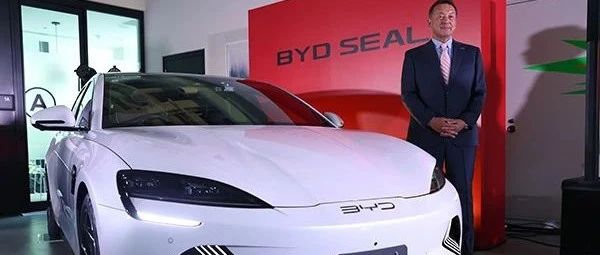
比亚迪日本社长:参考本田N-BOX开发轻型EV
日经中文网· 2025-07-04 05:48
Core Viewpoint - BYD plans to launch a lightweight electric vehicle in Japan in the second half of 2026, aiming to capture market share ahead of local competitors [1][3]. Group 1: Market Entry Strategy - BYD's entry into the Japanese market is driven by the potential of lightweight vehicles, which are considered national cars in Japan [3]. - The company aims to leverage its experience in China to develop a competitive lightweight electric vehicle, referencing Honda's N-BOX for design [1][5]. Group 2: Competitive Landscape - BYD views Tesla as a key competitor globally and is positioning its products, such as the SeaLion 7 and SEAL, against Tesla's offerings [5]. - In the lightweight vehicle segment, BYD targets Honda's N-BOX, which has been the best-selling new car in Japan for three consecutive years [5][6]. Group 3: Pricing and Profitability - BYD intends to set prices for its lightweight electric vehicles below those of Japanese manufacturers while ensuring profitability [6]. - The company is currently assessing how to balance performance improvements with cost control to maintain competitive pricing [6]. Group 4: Future Market Dynamics - The Japanese market for lightweight electric vehicles is expected to see increased competition, with major local manufacturers planning to launch their models by 2026 [7]. - BYD's expansion in Japan is crucial as its growth in the Chinese market is slowing, necessitating a focus on international markets [7].